Gold hit $4,187 an ounce on Friday, up 4.1% in a single session, and for Tel Aviv's banking sector the signal was uncomfortable. Safe-haven demand of that magnitude does not emerge from calm markets. It reflects a degree of global anxiety, about dollar weakness, about geopolitical friction, about the durability of the equity rally that pushed the S&P 500 to 7,483 and the Nasdaq past 25,833 this Independence Day. For Israel's listed commercial banks, the same forces driving investors toward bullion are the ones squeezing net interest margins, testing credit quality and forcing a strategic rethink of the fintech subsidiaries several of them built at considerable expense during the 2021 boom.
The shekel's position matters here. The euro rose to $1.1440 against the dollar on Friday, a gain of nearly half a percent, reflecting sustained pressure on the greenback. The shekel has broadly tracked that dollar weakness in recent weeks, creating a mixed picture for Israeli banks with dollar-denominated loan books and foreign-currency bond portfolios. A softer dollar flatters the local-currency value of some holdings but erodes the competitive advantage Israeli exporters had enjoyed, which in turn feeds through to corporate credit risk, particularly among the mid-cap industrial borrowers that Bank Hapoalim and Bank Leumi have historically supported with significant revolving facilities.
Fintech Under Pressure, From Every Direction
The fintech layer of the Israeli financial system is where the stress is sharpest and most visible. Several of the digital lending platforms that attracted venture capital in 2020 and 2021 have spent the past eighteen months in effective retreat. Rising funding costs, tightened supervision from the Bank of Israel, and a slowdown in consumer credit demand have combined to compress the economics of the buy-now-pay-later and alternative lending models that were briefly fashionable on Rothschild Boulevard. At least two mid-sized Israeli fintech firms that had been targeting Tel Aviv Stock Exchange listings in 2025 quietly shelved those plans this year, according to people familiar with the processes, citing valuation gaps and investor appetite that had simply evaporated.
The regulatory environment deserves specific attention. The Bank of Israel's financial stability division has spent much of 2026 tightening capital adequacy expectations for non-bank lenders and pressing the established banks to stress-test their exposures to technology-sector counterparties. The central bank published updated supervisory guidance in March that set higher liquidity buffers for digital payment operators, a move that pleased prudentialists but rattled smaller players who had built their models on leaner balance sheets. The compliance cost alone has forced several fintech startups to extend their runway projections by twelve to eighteen months.
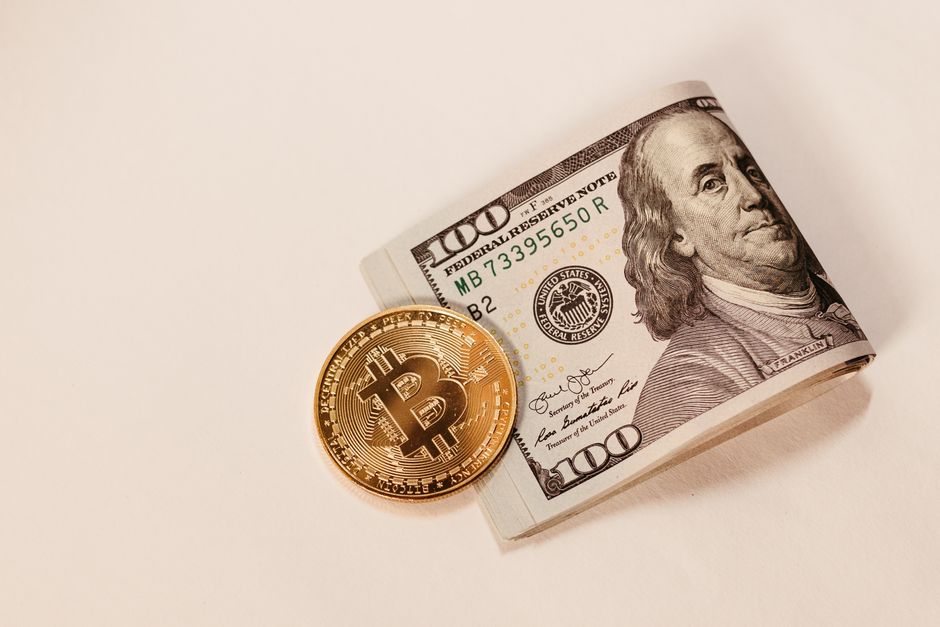
Meanwhile, Bitcoin's 6.66% surge to $62,461 on Friday illustrates a paradox for Israeli financial institutions. The country has a disproportionately active retail crypto trading community, and several of the local banks have been under commercial pressure to offer custody or settlement services for digital assets. Yet regulatory uncertainty, both domestically and from the Financial Action Task Force's evolving standards, has kept them cautious. The gap between what retail clients want and what the banks feel comfortable providing is widening, and it is creating an opening for overseas platforms that face less friction in serving Israeli users.
WTI crude falling to $68.78 a barrel, down 2.78% on Friday, offers one small piece of relief. Lower energy costs reduce inflationary pressure on Israeli households and ease the operating cost burden on the small-business borrowers that make up a significant portion of the retail banking book. The Bank of Israel has held its benchmark rate steady through the first half of 2026, and cheaper oil gives it more room to keep doing so. That matters to the banks because a prolonged period of stable rates, rather than the rate-cutting cycle many had hoped would begin by mid-year, means the deposit repricing benefit they expected has been slower to materialise.
The equity market context adds another layer of complexity for Israeli banks' own share prices. Global tech-heavy indices are running hard, with the Nasdaq up 1.87% on Friday alone, but Israeli financial stocks have not kept pace with that momentum. Institutional investors in Tel Aviv have been rotating toward export-oriented technology names and away from domestically focused financials, reflecting a judgment that the local credit cycle still has further to work through before the sector becomes a compelling buy again.
The second half of 2026 will test the strategic choices the big five Israeli banks made when interest rates began rising in 2022 and 2023. Those that invested in digital infrastructure and diversified fee income are better placed than those that simply rode the margin expansion of the rate cycle. The current environment, gold at record highs, dollar under pressure, crypto volatile and fintech valuations deflated, will clarify quickly which camp each institution actually belongs to.