The S&P 500 closed at 7,483, up 1.71 percent, and the Nasdaq Composite pushed to 25,833, gaining 1.87 percent. Those are the headline numbers. But strip away the mega-cap technology stocks doing much of the heavy lifting and the picture underneath is considerably messier, more volatile, and in some corners, more interesting. For investors in Tel Aviv managing exposure to global equities alongside shekel-denominated holdings, the session offered a pointed reminder that the index level and the actual opportunity are not always the same thing.
Gold jumped 4.10 percent to $4,187 per troy ounce. That single move deserves attention on its own. A four-percent single-session surge in gold is not routine profit-taking or mild hedging activity; it signals something more anxious running beneath the surface of an otherwise bullish equity tape. WTI crude, meanwhile, fell 2.78 percent to $68.78 per barrel, a drop that cuts in two directions: it relieves pressure on import-heavy economies, including Israel's, but it also flashes a warning about demand expectations. When gold rallies hard and oil sells off simultaneously, the market is simultaneously pricing fear and slowing growth. That combination does not sit comfortably alongside a Nasdaq within striking distance of 26,000.
Where Small Caps Actually Moved
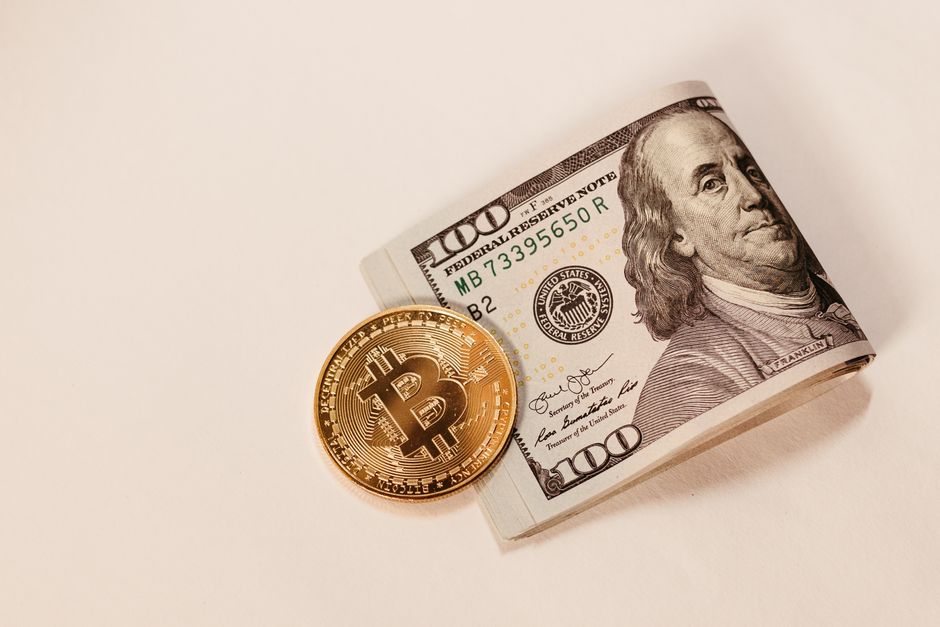
The real action on Friday was not in the index stalwarts. Across U.S. markets, smaller and mid-capitalisation names showed sharply divergent behaviour, with speculative technology, biotech and energy-adjacent small caps swinging far more violently than their blue-chip counterparts. Bitcoin climbing 6.66 percent to $62,456 in the same session underscored the broader appetite for risk in pockets of the market, even as gold's surge told a contradictory story. Sophisticated participants were running two trades at once: buying protection through bullion while also chasing momentum in crypto and growth equities. That is not a contradiction so much as a portfolio hedge, and it is one that Tel Aviv's more active fund managers will recognise from the playbook used during periods of geopolitical uncertainty closer to home.
The euro gained 0.47 percent against the dollar, reaching 1.1440. For Israeli companies with European revenue exposure, or for those Tel Aviv-listed firms that price contracts in euros, that move has direct implications for reported earnings in the coming quarters. The shekel's own path this week has been shaped by a combination of domestic fiscal signals and the broader dollar softness visible in the EUR/USD rate. A weaker dollar environment historically provides some lift for emerging and mid-tier market currencies, but it also tends to compress the returns on dollar-denominated assets when converted back into local currency terms.
Blue-chip equities in the S&P 500 benefited from the kind of institutional rotation that accompanies a risk-on day: money moving from cash and short-duration bonds back into quality large caps, particularly in technology and communications. That rotation flatters the index. But beneath it, in the Russell 2000 and in the less-watched corners of the Nasdaq small-cap index, the session was a more chaotic affair. Some names surged on no news whatsoever; others that had rallied sharply in June gave back gains. The dispersion between winners and losers within the small-cap cohort was wide enough that a passive exposure to the segment produced a very different result than active stock selection.
For Tel Aviv investors, the practical translation is this. The pension and provident funds that hold broad U.S. index exposure through vehicles tracked to the S&P 500 had a good Friday. Those with more concentrated positions in specific U.S. small caps, or in Israeli technology companies that trade on Nasdaq in dual-listed form, had a session that required closer watching. Several Israeli technology names that carry Nasdaq listings have seen their valuations compressed over the past two quarters even as the index itself climbed; Friday's rally did not erase that gap for all of them.
Gold's move to $4,187 will prompt fresh conversations among local wealth managers about portfolio allocation. At these levels, gold has moved well beyond a defensive hedge and into a primary return driver for some multi-asset strategies. Israeli institutional investors who lifted their gold allocations earlier in 2026, partly in response to regional risk and partly tracking the global central bank buying trend, are sitting on gains that are difficult to ignore. The question now is whether a 4.10 percent single-session move represents momentum to chase or a signal to trim. Given crude oil's simultaneous weakness, the more cautious read is that macro uncertainty has not resolved; it has simply found a different expression.