Gold hit $4,187 per troy ounce on Friday, a single-session gain of 4.1%, making it the sharpest move in the precious metal in months and the number every Israeli portfolio manager should be staring at this morning. The rally did not arrive in isolation. The S&P 500 climbed 1.71% to 7,483, the Nasdaq Composite added 1.87% to close at 25,833, and Bitcoin surged 6.66% to $62,456, a broad-based risk appetite that cuts across asset classes in ways that rarely hold together for long. For Tel Aviv-based investors running exposure across global equities, local bonds and hard assets, the configuration is both an opportunity and a warning.
The EUR/USD rate moved to 1.1440, a gain of 0.47% on the day, continuing a trend of dollar softness that has persisted through much of the second quarter. A weaker dollar is historically supportive of gold, commodities priced in dollars, and emerging-market currencies, including the Israeli shekel. Israeli businesses that import goods priced in dollars, from raw materials to semiconductors for the country's dominant technology sector, get modest near-term relief from any sustained dollar retreat. Exporters, many of them Tel Aviv-listed technology firms that invoice in dollars and report in shekels, face the mirror-image pressure on margins and should be reviewing their hedging positions before the weekend closes.
Crude oil tells a different story. WTI fell 2.78% to $68.78 per barrel, its third decline in four sessions. Israel imports virtually all of its crude, so lower energy costs feed through into electricity generation, industrial inputs and, eventually, transport costs. The Bank of Israel has been watching energy price pass-through carefully as it calibrates monetary policy; a sustained softness in crude removes one inflationary pressure point at a moment when the central bank has limited appetite for additional rate movement. Israeli fuel retailers and industrial companies with high energy cost bases will view the slide with cautious relief.
Technology Stocks and the Bitcoin Signal
The Nasdaq's move to 25,833 matters directly to Tel Aviv investors because Israeli technology companies, whether dual-listed on the Tel Aviv Stock Exchange and Nasdaq or purely Nasdaq-listed, track the American index closely. Names across cybersecurity, semiconductors and cloud infrastructure, sectors where Israel has deep corporate representation, typically correlate tightly with Nasdaq momentum. A 1.87% session gain on the American benchmark provides a constructive tailwind heading into the TASE's Sunday open, though traders will rightly note that a single-day surge on thin July Fourth volume in New York carries less signal weight than a sustained move across a full week of trading.
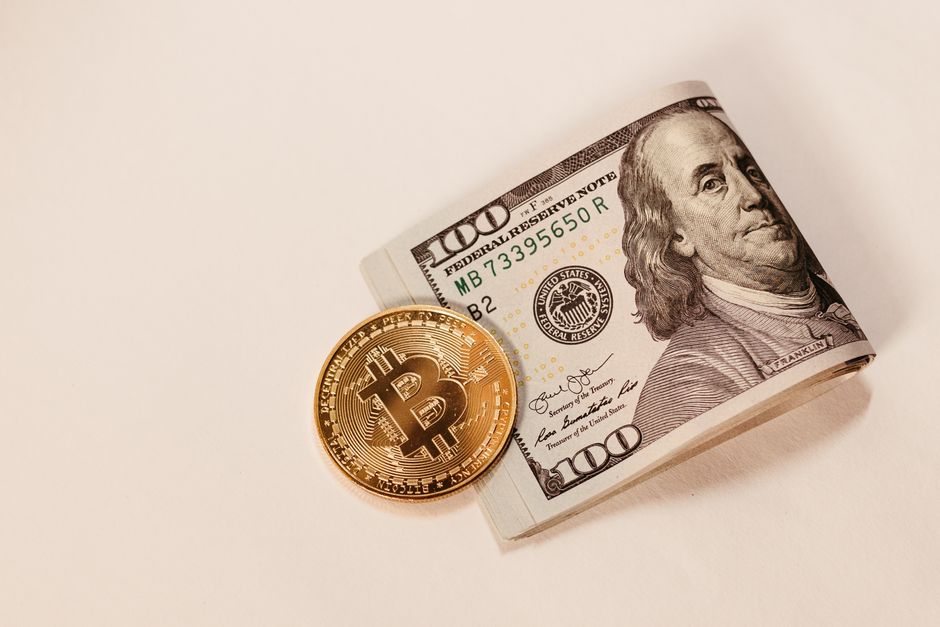
Bitcoin's 6.66% jump to $62,456 is harder to categorise cleanly, but it matters to a specific and growing cohort of Israeli retail and institutional investors who have added cryptocurrency exposure over the past two years. The move coincides with the gold rally rather than contradicting it, suggesting that some portion of Friday's flows reflected a flight from dollar-denominated cash rather than straightforward risk appetite. If that reading is correct, it reinforces the broader dollar-weakness narrative and gives Israeli fund managers another data point to weigh against their currency allocations.
The practical calculus for Israeli businesses with cross-border operations is more immediate. Companies running payroll in shekels while collecting dollar revenues need to decide quickly whether Friday's dollar softness is a tactical blip or the front end of a more durable move. Currency strategists broadly have been pointing to the Federal Reserve's communication calendar, with several policymakers scheduled to speak in the week ahead, as the next major inflection point. Until that picture clarifies, hedging costs remain elevated and the temptation to leave positions unhedged carries real risk in both directions.
Gold above $4,000 for a sustained period changes the calculation for Israeli pension funds and provident funds (Kupot Gemel) that hold commodity-linked instruments as an inflation hedge. Those positions have outperformed fixed-income alternatives by a considerable margin over the past twelve months. The question now is whether to trim gains and rotate back toward equities that have also rallied, or hold through what some market participants are reading as a genuine repricing of gold's structural floor. There is no consensus answer, but the conversation is happening in every significant Israeli asset manager's investment committee this weekend. The data from Friday gives both the bulls and the cautious something to argue about when the market opens Sunday morning.