Gold hit $4,187 a troy ounce on Friday, a gain of 4.1 percent in a single session, and that one number tells you almost everything about the mood gripping global markets as the American holiday weekend opens. The S&P 500 climbed 1.71 percent to 7,483 and the Nasdaq Composite added 1.87 percent to 25,833, so on the surface this looks like a clean risk-on day. Dig one layer deeper, though, and you find crude oil falling 2.78 percent to $68.78 a barrel at the same time gold is charging higher. That combination, equities up, gold up hard, oil down, is not a straightforward bull signal. It suggests investors are simultaneously chasing growth and buying insurance, which is a hedged bet, not a confident one.
For Tel Aviv-based investors, the immediate pressure point is the shekel and the local cost of capital. The euro strengthened 0.47 percent against the dollar to 1.1440, continuing a multi-week pattern of dollar softness. The shekel has broadly tracked that dollar weakness in recent months, which flatters the nominal value of Israeli holdings in dollar-denominated assets but also erodes the translation gains that local exporters book when they repatriate foreign earnings. Technology firms listed on the Tel Aviv Stock Exchange with significant dollar revenue pipelines, including several mid-cap software and cybersecurity names, may find second-quarter earnings reports look thinner in shekel terms than the underlying business performance warrants.
The Commodity Divergence and What It Signals for Local Sectors
The oil price drop deserves particular attention from any Israeli business running an energy-intensive operation or carrying fuel as a cost line. Brent and WTI have been retreating on a combination of softer global demand readings and OPEC-plus production decisions, and at $68.78 WTI is now trading well below the budget assumptions baked into many Middle Eastern sovereign spending plans. For Israeli industrial and logistics companies, cheaper fuel is a genuine margin tailwind entering the third quarter. The risk is that the same demand weakness driving oil down eventually arrives in the order books of export-oriented manufacturers.
Gold is a separate and more urgent conversation. At $4,187 an ounce, the metal has now more than doubled from its 2022 lows, and the Friday move alone was not a drift, it was a lurch. Central bank accumulation, particularly from institutions in Asia and the Gulf, has been widely cited as a structural driver throughout 2025 and into 2026. Israeli pension funds managed under the provident and advanced-training fund frameworks hold varying allocations to commodities through index-linked instruments. Fund members who have not reviewed their commodity sleeve in the past six months are almost certainly holding gains they have not consciously positioned for, and the question now is whether rebalancing is warranted or whether the gold run has further to go.
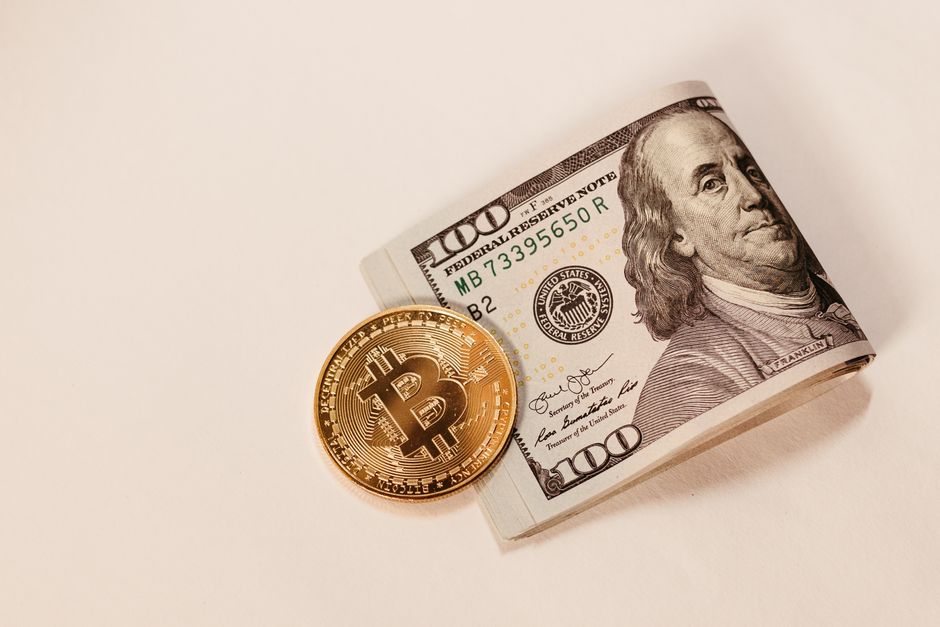
Bitcoin added 6.66 percent to $62,461 on Friday, recovering ground lost in a difficult May and June. The move coincided with the broader equity rally and with renewed speculation in U.S. financial media about institutional re-entry into digital assets following a quieter period. Israeli regulatory frameworks around crypto custody, overseen by the Israel Securities Authority, have been gradually tightening, and local exchanges have been adapting compliance infrastructure accordingly. For retail investors who held Bitcoin through the mid-year pullback, Friday's bounce restores some paper value, but the asset remains roughly 12 percent below its early 2026 peak and the volatility profile has not changed.
Businesses sourcing capital through the Tel Aviv bond market face a slightly different set of pressures. Dollar softness and a constructive global equity backdrop tend to compress credit spreads modestly, which is favorable for corporate issuers planning shekel or dollar-denominated debt raises in the third quarter. Several real-estate and infrastructure companies have been waiting for a cleaner rate environment before proceeding with bond offerings delayed from the spring. Friday's session does not guarantee that window stays open, but it is the most favorable combination of external conditions those issuers have seen in roughly three months.
The single most actionable observation for Israeli businesses this weekend is the asymmetry between asset classes. Equities and gold rising together while oil falls is a configuration that rewards diversified balance sheets and punishes companies that have concentrated either their treasury management or their investment portfolios in one direction. The Nasdaq's 1.87 percent gain lifts the value of stock options and equity-linked compensation plans for the hundreds of Israeli technology companies with U.S.-listed parent firms or dual-listed shares. That is real wealth creation for local employees and founders. The accompanying gold spike is a reminder that markets are also hedging against scenarios where that wealth creation does not last. Tel Aviv investors would do well to hold both thoughts simultaneously.