Gold hit $4,187 an ounce on Friday, a single-session gain of 4.10%, and the move sent a clear signal to anyone watching from Tel Aviv: the resources sector is not behaving as a single, coherent trade this quarter. It is splitting into winners and losers at a pace that has caught many portfolio managers flat-footed. At the same time, WTI crude fell to $68.78 a barrel, shedding nearly 2.8% on the day, leaving energy producers and refiners nursing fresh losses as the July 4th holiday thinned American trading desks.
The gap between gold and oil matters enormously for Israeli investors. Several Tel Aviv Stock Exchange-listed holding companies carry stakes in energy-related assets, and the shekel-denominated returns from those positions are now under double pressure: lower underlying commodity prices and a dollar that is softening against the euro, with EUR/USD touching 1.1440 on Friday. A weaker dollar typically lifts dollar-priced commodities, which is part of what is propelling gold. But crude is not getting the same benefit, which suggests the sell-off in oil is being driven by demand concerns rather than currency mechanics alone.
Gold's Run and What It Tells Us About the Quarter Ahead
Gold at $4,187 is a number that demands context. The metal has been grinding higher for months, but a 4% move in a single session points to something more acute, most likely a combination of geopolitical tension, central bank buying and a fresh wave of safe-haven positioning as equity markets simultaneously rally hard. The S&P 500 rose 1.71% to 7,483 and the Nasdaq Composite climbed 1.87% to 25,833 on Friday, an unusual configuration where risk assets and gold advance together. That tends to happen when investors are uncertain about the durability of the equity rally and want insurance in place.
For the resources sector specifically, gold's trajectory into Q3 2026 looks constructive. Mining companies with significant gold production, several of which are listed on North American and London exchanges and held through Tel Aviv-traded ETFs and mutual funds, are the obvious beneficiaries. A sustained price above $4,000 per ounce dramatically expands operating margins for producers with all-in sustaining costs in the $1,200 to $1,600 range. The profitability arithmetic at current spot prices is compelling, even after accounting for currency hedging costs and rising labour expenses in key mining jurisdictions.
Oil tells a different story. At $68.78 a barrel, WTI is testing levels that squeeze the economics of higher-cost producers, including several shale operators whose break-even prices sit in the low-to-mid $60s. OPEC+ has been managing supply carefully, but demand signals out of the major consuming economies remain mixed, and any sign of softening industrial activity in China or Europe is landing hard on crude prices. Israeli investors with exposure to energy sector equities through global index funds, where energy still commands a meaningful weighting in MSCI World benchmarks, will feel the drag.
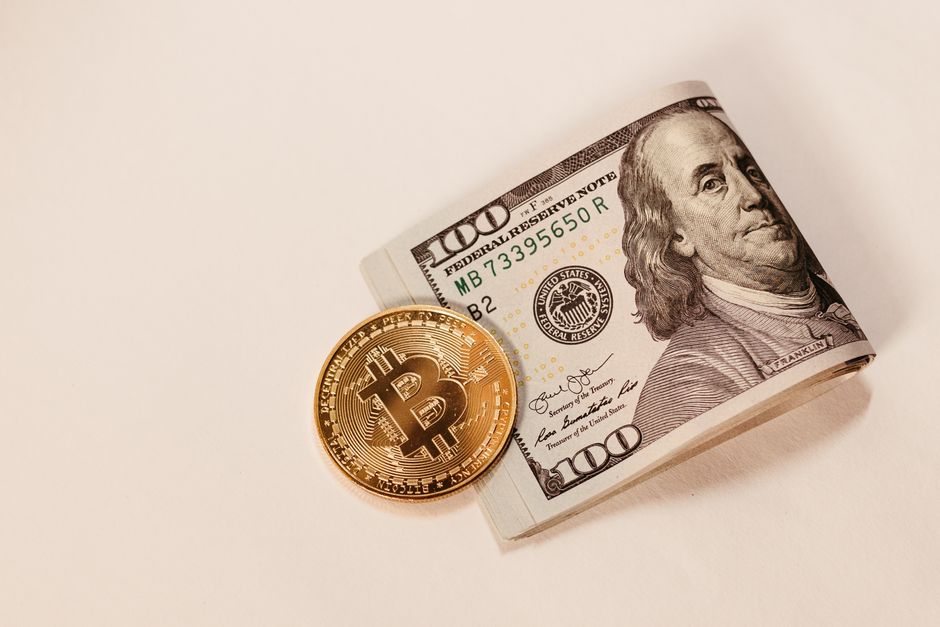
Bitcoin's 6.66% surge to $62,456 is worth noting in the resources context, though not as a commodity in the traditional sense. The move reinforces the safe-haven and inflation-hedge narrative that is simultaneously lifting gold. Some institutional desks treat the two as competing stores of value; on a day like Friday, both attracted capital, suggesting the underlying anxiety driving these flows is broader than any single sector thesis.
The industrial metals complex, including copper, aluminium and lithium, did not feature in Friday's headline moves, but the macro backdrop deserves attention. The euro's strength against the dollar, up 0.47% to 1.1440, reflects an improving growth outlook for the eurozone relative to the United States. That has historically been a tailwind for industrial commodity demand, since European manufacturing consumes large volumes of base metals. If EUR/USD continues to strengthen through Q3, that could provide a floor for copper and aluminium prices even as oil remains under pressure.
For investors managing shekel-denominated portfolios in Tel Aviv, the practical implication is a sector tilt toward precious metals and, selectively, toward industrial metals exposed to European demand. Energy equities face headwinds that are unlikely to resolve quickly, given that the supply-demand balance in crude has shifted from the tight conditions that prevailed through much of 2024 and 2025. Pension fund managers and private investors reviewing their Q3 allocations would be rational to reduce overweight energy positions and consider whether their gold exposure, often underrepresented in Israeli institutional portfolios relative to global peers, reflects the current macro reality. Friday's prices suggest it does not.