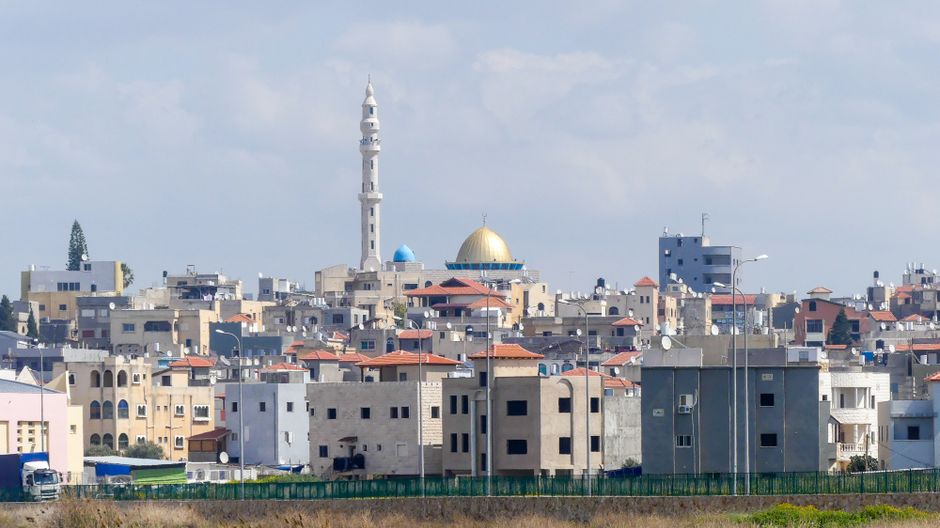
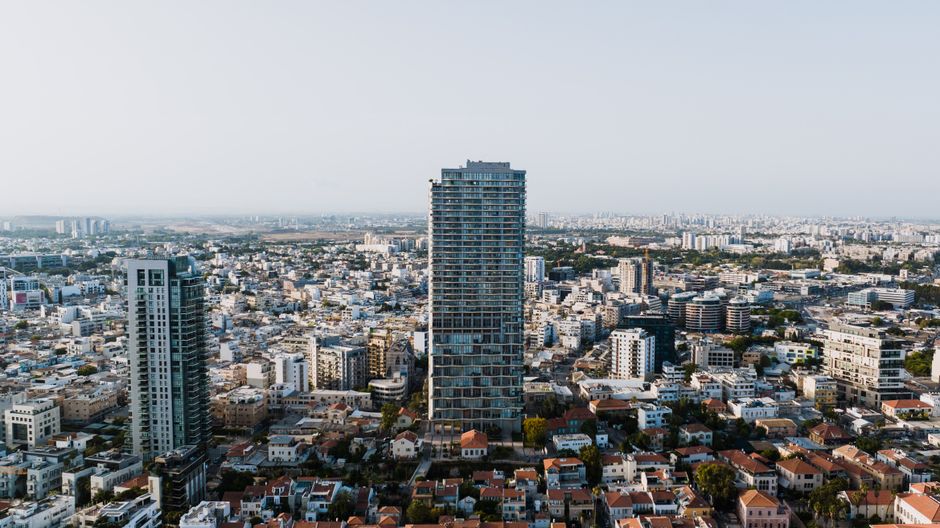
Tel Aviv's municipal digital archive holds tens of thousands of photographs — streetscapes from Rothschild Boulevard, construction progress shots from the Port of Tel Aviv redevelopment, event coverage from Rabin Square. But for years, a significant portion of those files have been exact or near-exact copies of each other, sitting silently in servers and inflating storage bills. The city's Digital Services Unit began a formal duplicate-image replacement audit in the first quarter of 2026, and the preliminary findings are uncomfortable reading for anyone who signed off on the city's data management contracts over the past decade.
The problem matters now because Tel Aviv is mid-rollout on its Smart City 2030 initiative, which ties together everything from parking sensors on Ibn Gabirol Street to real-time flood monitoring in the Yarkon Park basin. Bloated, redundant image libraries slow the content management systems that feed public portals, complicate AI-assisted urban planning tools, and cost money. Storage is not free, and at municipal scale — across the Tel Aviv Municipality's own servers plus contracted cloud space — redundant files represent wasted budget that could go elsewhere.
How the Duplication Built Up
The roots of the problem go back to roughly 2014, when the municipality began migrating from department-by-department hard drives toward a centralised digital asset management system. The transition was not clean. Individual departments — the Planning Administration on Ibn Gabirol, the Communications Department, the Tourism and Culture division — each maintained parallel image libraries. When files were consolidated, no deduplication protocol was enforced. The same photograph of, say, the Carmel Market or the Bauhaus façades along Dizengoff Street might exist in three or four versions across different folders, each uploaded separately by different civil servants who had no visibility into what their colleagues had already filed.
The problem compounded every time the city commissioned a new website or app. Each digital product launch — and Tel Aviv ran through several iterations of its DigiTel resident portal between 2015 and 2022 — pulled from the archive and often re-uploaded material rather than linking to existing assets. By 2019, internal estimates suggested the Communications Department alone was paying for storage of material where duplication rates exceeded 30 percent of total file volume, according to a 2023 internal review document that informed the current audit. That figure has not been independently verified by this newspaper.
The Smart City 2030 program, formally launched in January 2025 with a budget approved by the Tel Aviv-Yafo Municipality, made the issue impossible to ignore any longer. Planners integrating image data into the city's urban digital twin — a three-dimensional modelling platform being developed with Tel Aviv University's Moshe Dayan Center for Middle Eastern and African Studies serving as one academic partner — found that duplicate entries were generating false matches and slowing processing times on planning review cases.
What the Audit Is Actually Doing
The Digital Services Unit is working through the archive in phases. Phase one, covering the Communications and Tourism departments, was completed by the end of May 2026. Phase two, covering Planning and Infrastructure, is ongoing through the end of July. The approach uses a combination of hash-based matching — which catches exact copies — and perceptual hashing algorithms that flag visually similar images even when file metadata differs.
Identified duplicates are not simply deleted. Each flagged pair goes through a short manual review to confirm which version has higher resolution or more accurate metadata before the inferior copy is marked for archival removal and replaced with a canonical link. The process is slow because the archive contains images stretching back to the early 2000s, and older files carry inconsistent or missing licensing information that must be verified before anything is touched.
For residents and journalists who use the municipality's public image library — accessible through the Tel Aviv Municipality media portal — the practical effect should eventually be faster load times and more reliable search results. Staff at the press office on Menachem Begin Road have already noted fewer instances of conflicting captions appearing on the same photograph in different parts of the city's website. The full replacement process is expected to conclude before the Smart City 2030 data integration phase accelerates in early 2027, at which point a clean, deduplicated archive becomes a technical prerequisite rather than a nice-to-have.