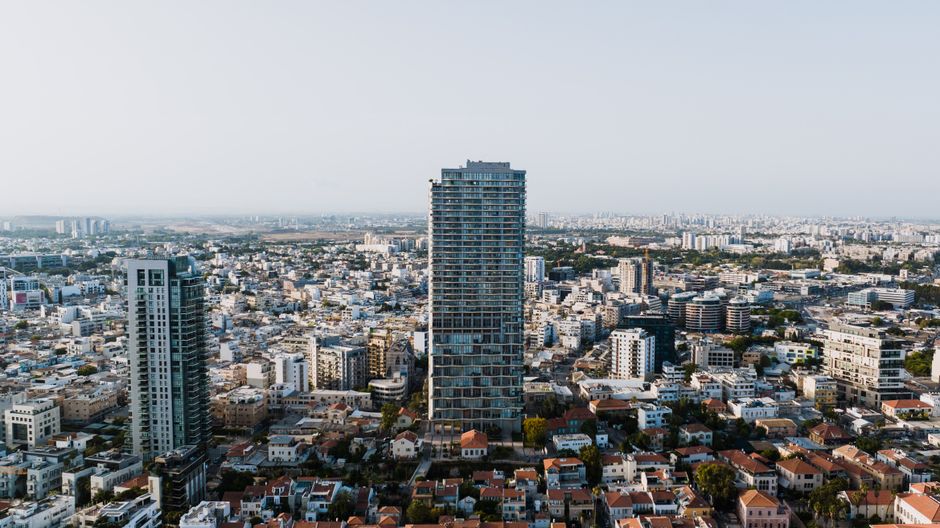
Tel Aviv's municipal digital infrastructure is sitting on a problem most residents never see: thousands of duplicate images cluttering the city's public-facing databases, heritage portals and urban planning registers. The Tel Aviv-Yafo Municipality, which manages one of the most digitised city administrations in the Middle East, has been working through 2025 and into 2026 to systematically replace redundant image files across its civic platforms — and the consequences for ordinary residents are more immediate than a technical cleanup might suggest.
This matters now because the municipality's open-data initiative, launched under the Digital Tel Aviv framework, has made city records directly searchable by residents. When a building permit application in Neve Tzedek contains four identical photographs filed under different reference numbers, it slows processing times, generates errors in automated property valuations and, in some cases, delays the approval of renovation requests that homeowners have waited months for. The duplication problem is not cosmetic — it has administrative weight.
Where the Problem Shows Up on the Ground
The issue is particularly visible in two areas of the city. Along Rothschild Boulevard, where heritage-listed buildings require documented photographic records before any structural modification is approved, the Tel Aviv-Yafo Planning and Building Committee has flagged repeated instances of the same façade photograph appearing under multiple permit numbers in its Rova digital registry. Residents applying for permits in the Lev Ha'ir (city centre) district have reported delays of up to six weeks in cases where duplicate records triggered a manual review process.
The second flashpoint is the city's neighbourhood documentation project run through the Ir Yafo Cultural Centre in the old city of Jaffa. The centre's oral history and photography archive, which documents the mixed Jewish-Arab community of Ajami and Jabaliya, suffered from systematic duplication after a 2023 data migration. Community archivists flagged that roughly 12 percent of the digitised images in the Jaffa collection were stored in duplicate, consuming server space and making the archive harder to search for schools and researchers who use it regularly.
The Tel Aviv-Yafo Municipality's IT directorate confirmed in its 2025 annual digital services report — publicly available on the city's open-data portal — that the municipality manages over 2.3 million digital assets across its civic platforms. Deduplication software deployed since January 2025 has reduced redundant file instances by an estimated 18 percent across the planning, heritage and parks departments, though the full replacement programme is not expected to complete before the third quarter of 2026.
What Residents Can Actually Do
For anyone dealing with a permit application or a heritage documentation request, the practical advice is to cross-check your submitted images through the municipality's online permit tracker, available via the Tel Aviv Digital Services portal, before filing. Applications submitted with clearly labelled, non-duplicated photographs — each carrying a unique file name tied to the specific address or cadastral number — move through the Planning and Building Committee's queue faster. The municipality's service centre on Ibn Gabirol Street, in the northern part of the city centre, has staff who can advise applicants on the correct file-naming conventions before submission, a step that bypass the automated duplication flags entirely.
Community organisations involved in neighbourhood heritage documentation — particularly in older districts like Florentin, Kerem HaTeimanim and the German Colony — should consider auditing their own digital holdings. The Tel Aviv Foundation, which funds several neighbourhood heritage programmes, has indicated it will prioritise grants in the second half of 2026 to organisations that submit digitisation proposals with verified, deduplicated image inventories. The deadline for that funding round, according to the foundation's public calendar, is September 30, 2026.
City governments from Amsterdam to Seoul have wrestled with the same proliferation of redundant digital records as they moved paper archives online over the past decade. Tel Aviv's experience underlines a simple truth: digital transformation creates new bureaucratic friction if the underlying data hygiene is not maintained. Getting the images right — one file, one record, one address — is the unglamorous work that determines whether a resident's building application takes six days or six weeks.