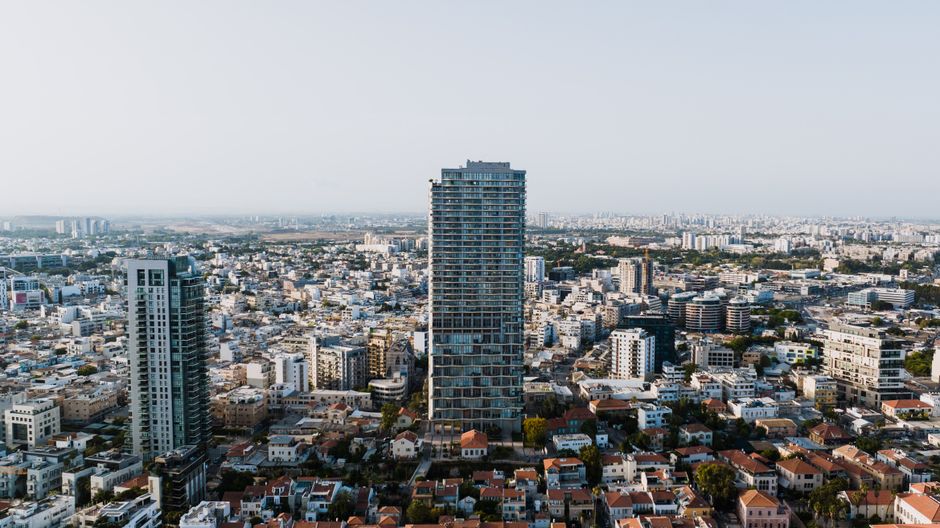
Tel Aviv's municipal digital infrastructure is carrying at least 47,000 duplicate image files across its public-facing databases, according to figures compiled by the Tel Aviv-Yafo Municipality's Digital Services Unit and released this week. The redundant files — photographs, architectural renders, event imagery and heritage scans — are costing the city roughly 1.2 million shekels annually in unnecessary cloud storage contracts, a figure that has climbed 34 percent since 2023.
The timing matters. The municipality is midway through a 180-million-shekel digitisation programme called Tel Aviv Digital 2027, designed to bring every planning document, cultural archive and public record onto a unified platform before the end of next year. Duplicate image bloat is now flagged internally as one of the programme's three primary technical bottlenecks, alongside legacy data formatting and inconsistent metadata tagging. City officials confirmed this week that the problem had grown faster than anticipated, partly because multiple departments were independently uploading the same event and construction-site photography without any centralised deduplication check.
Where the Duplication Is Worst
The Bauhaus Center on Dizengoff Street and the Tel Aviv Museum of Art on Shaul Hamelech Boulevard both operate digitised collections that feed into the municipality's shared cultural heritage portal. Between them, an internal review found 6,800 duplicate image entries — some photographs of White City buildings appearing as many as eleven separate times under different file names. The Jaffa Port Authority's archive, separately catalogued, contributed another 3,100 redundant maritime and tourism images. These are not trivial numbers. Each duplicate consumes between 4 and 22 megabytes depending on resolution, and when multiplied across tens of thousands of files, the storage drain is substantial.
The Florentine neighbourhood redevelopment project generated its own duplication crisis in miniature. Planning documents submitted to the Tel Aviv District Committee for Planning and Building between January 2024 and March 2026 included 9,200 image attachments, of which automated scanning software later identified 2,100 as exact or near-exact duplicates. The scans were submitted by multiple contractors using different project management systems, none of which communicated with each other before upload.
What Deduplication Actually Costs — and What Ignoring It Costs More
Globally, municipal governments running similar deduplication sweeps report recovering between 18 and 30 percent of active storage capacity. The London Borough of Hackney completed a comparable audit in late 2024 and recovered 2.4 terabytes. Tel Aviv's Digital Services Unit estimates its own recoverable capacity at roughly 3.1 terabytes — a larger figure reflecting the scale of the Tel Aviv Digital 2027 ingestion pipeline, which has been pulling in data from 38 city departments simultaneously since mid-2024.
The commercial cost of deduplication tools is not trivial. Licensing enterprise-grade image-hashing software of the type already used by Magen David Adom's logistics division runs between 80,000 and 140,000 shekels per year for an installation at municipal scale, depending on the vendor. Set against the 1.2-million-shekel annual storage waste, the return-on-investment case is straightforward. The municipality has issued a tender — number 26/TLV/DIGSERV/0041, published June 22 — inviting proposals from qualified vendors, with a submission deadline of August 10.
For residents, the practical consequence of duplicate image saturation is slower search results and broken image links on the Tel Aviv Open Data portal, which averaged 14,000 unique visits per month in the first quarter of 2026. Searches for planning maps of the HaKirya district and historical photographs of Rothschild Boulevard have generated the highest volume of user complaints — 312 error reports since January, according to data published on the portal's own status page.
Vendors bidding on tender 26/TLV/DIGSERV/0041 should note that the municipality is requiring compliance with Israel's Privacy Protection Regulations 2017 and integration capability with the existing GovIL cloud infrastructure. The winning contractor is expected to begin work by October 1, with a full deduplication sweep of priority archives scheduled for completion before the end of 2026.