Tel Aviv's Municipality has launched a systematic review of its official digital image libraries, targeting thousands of duplicate and near-identical photographs that have cluttered city planning portals, permit applications, and public-facing websites for years. The effort, which began in earnest in March 2026, centers on the municipal GIS and urban documentation systems maintained through the Tel Aviv-Jaffa Municipality's Digital City department on Ibn Gabirol Street.
The problem is more consequential than it sounds. When contractors, architects, and residents submit development applications through the city's online Matar system — the portal handling construction permits in neighborhoods from Neve Tzedek to Ramat Aviv Gimel — duplicate reference images have caused processing delays, version-control errors, and in some cases conflicting assessments of the same site. City planning officials have flagged the issue internally as digital workflows grow more complex.
A Problem That Has Gotten Worse With Growth
Tel Aviv is not alone. Amsterdam's municipal archive, the Stadsarchief, completed a deduplication project across its urban photography holdings in late 2024, eliminating roughly 18 percent of redundant files from a catalog spanning more than 800,000 images. Singapore's Urban Redevelopment Authority has integrated AI-assisted image-matching tools into its development application pipeline since 2023, reducing processing errors tied to misidentified site photographs. Both cities invested in purpose-built metadata standards before deploying any automated tools — a sequence Tel Aviv's Digital City department has so far not replicated.
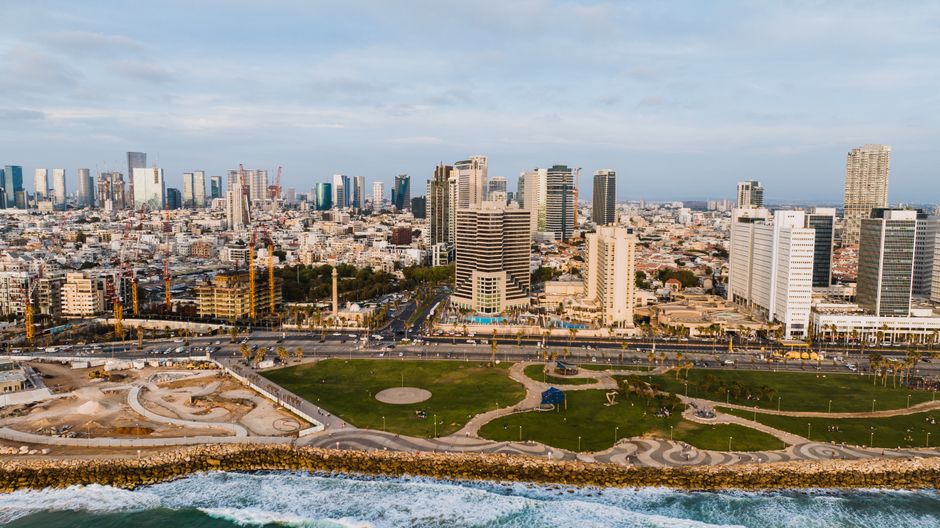
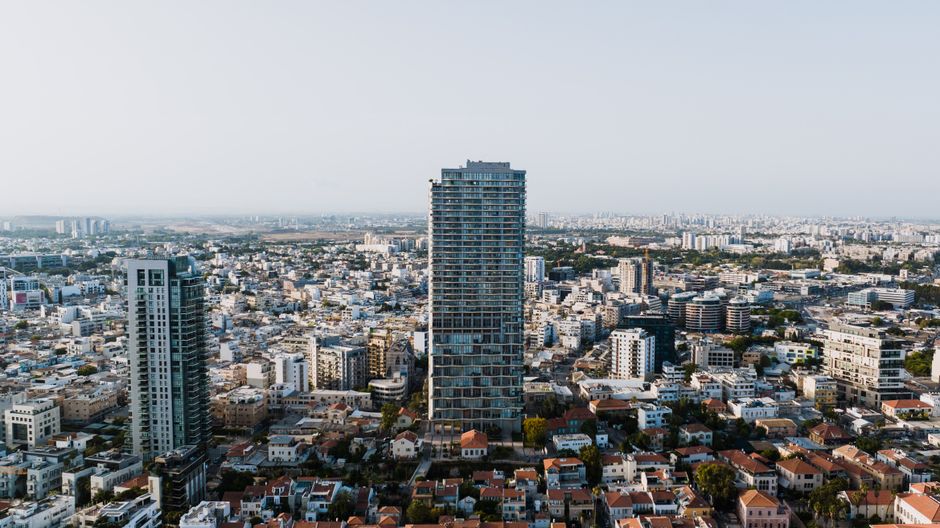
In Tel Aviv, the complication is partly historical. The rapid expansion of drone-survey photography across Florentine, the Old North, and the port district after 2019 flooded municipal systems with overlapping aerial images. Many were filed under inconsistent naming conventions. Some capture the same block from marginally different altitudes and were logged as distinct records, creating downstream confusion when urban planners cross-reference permit histories.
The Bezalel Street offices of the Association of Engineers, Architects and Graduates in Technological Sciences in Israel have heard complaints from member firms about delays linked to duplicate image submissions. Processing times for certain permit categories on the Matar platform stretched to 47 working days on average during the first quarter of 2026, according to data the municipality presented to the city council's urban affairs committee in May. That figure compares unfavorably to the 28-day target set under the municipality's own service charter.
What Tel Aviv Is Doing — and What It Isn't
The current audit relies primarily on manual review by a contracted team working out of the municipality's documentation center near Shaul HaMelech Boulevard. Automated perceptual hashing — a technique that generates a digital fingerprint for each image to identify near-duplicates — is being piloted on a subset of the archive covering the Lev HaIr (city center) district, but citywide rollout has no confirmed date.
By contrast, Rotterdam's municipality deployed a similar hashing system across all active planning files by January 2025, and Barcelona's Institut Municipal d'Informàtica completed a full deduplication pass of its urban-documentation database in time for the city's 2025 smart-city certification review. Both cities tied the cleanup to a broader transition toward standardized open-data formats — a step that made the technical work easier and the results more durable.
Tel Aviv's Digital City unit has signaled it wants to reach a similar standard, but the timeline remains undefined. The city has committed to reducing redundant image records in the Matar system by 30 percent before the end of 2026, a target that city council members from both the ruling coalition and the opposition have described publicly as achievable but dependent on adequate staffing.
For residents and professionals who interact with the permit system regularly, the practical advice is straightforward: when submitting any application through Matar, ensure each uploaded image carries a unique filename, an accurate date stamp, and GPS coordinates where possible. The municipality has published updated image-submission guidelines on its website since April 2026. Following them reduces the chance an application gets flagged for manual review — and shaves days off what is already a slow process.