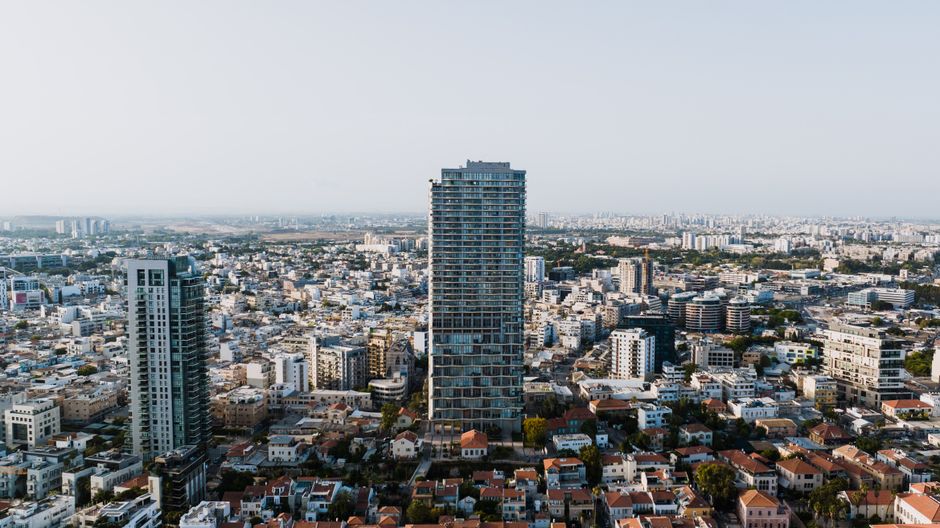
Tel Aviv Municipality confirmed this spring that a systematic audit of its digital image repositories had uncovered tens of thousands of duplicate files clogging the servers that support everything from building permit applications to the public-facing heritage archive on the city's official portal. The cleanup — now formally underway under the municipality's Digital Assets Optimisation Programme — has direct consequences for residents navigating planning disputes, neighbourhood preservation campaigns and access to historical records.
The problem sounds technical. It isn't. When the same photograph of a Bauhaus facade on Rothschild Boulevard appears under fourteen different file names across three separate municipal databases, planners reviewing a demolition request may be working from an outdated version of the image while heritage officers are looking at a different one. Two departments, same building, different pictures — and sometimes different conclusions. This is the practical failure that the audit was designed to expose.
Why the Duplication Problem Hit Tel Aviv Harder Than Most Cities
Tel Aviv's digital archive expanded rapidly after 2015, when the municipality launched the White City Documentation Initiative, a project to photograph and catalogue the roughly 4,000 buildings that form the UNESCO-listed International Style district concentrated in the neighbourhoods of Lev Ha'ir and the northern sections of Neve Tzedek. Thousands of images were uploaded by multiple contractors over several years, with no unified naming convention and no deduplication protocol. By the time a formal review was commissioned in late 2025, the archive had ballooned to a size that made routine searches slow and, in some cases, unreliable.
The Tel Aviv-Yafo Municipal Archive on Bialik Street, which manages the physical and digital collections, identified the duplication issue as a tier-one data integrity problem last November. Staff working on the Jaffa Old City neighbourhood mapping project — a parallel effort to document historic structures in the area around Clock Tower Square — reported that duplicate images with conflicting metadata were generating inconsistencies in the geographic information system used to flag protected structures. A building incorrectly tagged due to a mismatched duplicate image could, in theory, slip through a review cycle without the heritage protections it warranted.
The municipality has not published a full cost figure for the remediation work, but comparable deduplication projects in European cities of similar archival scale — Amsterdam's municipal digitisation programme, completed in 2023, is a relevant reference point — ran into hundreds of thousands of euros once staff time, software licensing and data migration were factored in. Tel Aviv's Digital Assets Optimisation Programme is being handled internally by the city's IT directorate with support from a local tech contractor based in the HaKirya district.
What Residents Can Do — and What to Watch For
For residents in heritage-sensitive neighbourhoods, the practical advice is straightforward: if you are involved in any planning or preservation matter before the local committee, request that the municipality confirm which version of any photographic evidence it is relying on and when that image was last verified against the physical structure. The Lev Ha'ir Community Forum, which operates out of a shared office space on Ibn Gabirol Street, has been advising residents on exactly this point since April.
The deduplication audit is expected to reach the public-access portal by September 2026, at which point residents will be able to search the archive with greater confidence that the first result returned is the correct and current record. Until then, the municipality is asking users of the online planning portal — accessible via the Tel Aviv Digital City gateway — to report obvious inconsistencies when they encounter them using the feedback tool on each image page.
Neighbourhood associations in Florentin and the southern Neve Tzedek sections have already submitted formal requests to be notified when their districts' image sets have been cleared and verified. The municipality has not yet committed to a neighbourhood-by-neighbourhood rollout timeline, but the Digital Assets Optimisation Programme's internal roadmap, cited in a municipality council session in May 2026, targets full archive integrity by the end of the third quarter.
The cleanup is unglamorous work. But in a city where a single misidentified photograph can determine whether a 1930s apartment block gets demolished or protected, getting the images right is not a bureaucratic footnote — it is the foundation of every heritage decision the city makes.