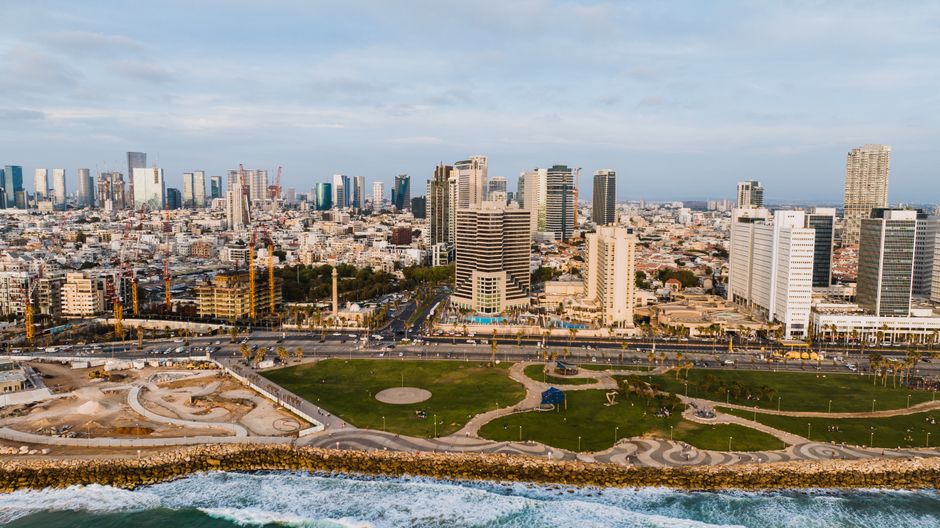
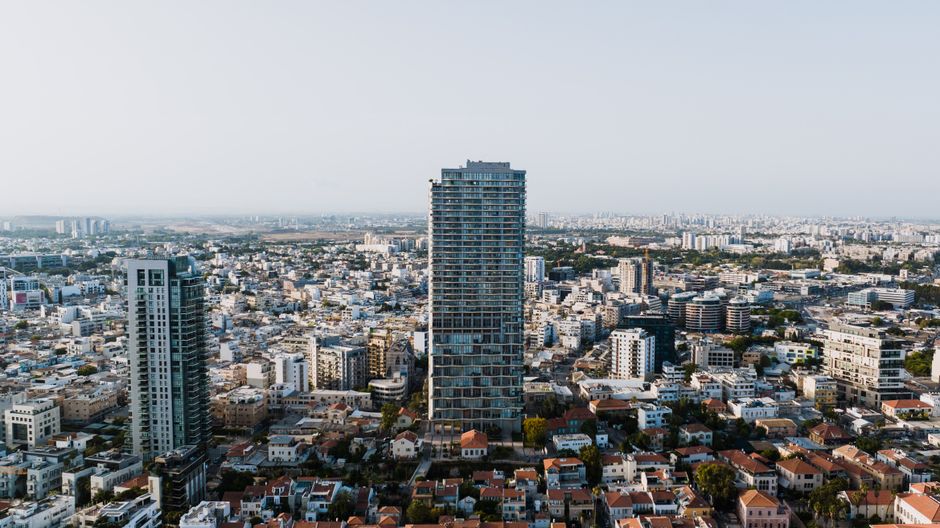
Tel Aviv's municipal planning department is sitting on a problem it can no longer ignore. An internal review completed in late June found that hundreds of building permit applications filed through the city's Mavat digital submission portal contained duplicate or recycled architectural imagery — the same floor-plan renderings, elevation photographs, or site survey images appearing across multiple, unrelated properties in different neighbourhoods. The immediate question is not how it happened, but what the municipality does about it before the autumn planning committee sessions open in September.
The timing matters for a specific reason. Tel Aviv's Planning and Building Committee typically processes its heaviest workload between October and December, when developers rush to secure approvals before the fiscal year closes. The 2025 cycle saw more than 4,200 applications submitted to the committee, according to figures published by the Tel Aviv-Yafo Municipality. If the duplicate-image problem is not resolved — or at minimum, formally flagged — contaminated files could move through the approval queue unchallenged, potentially authorising construction plans that do not accurately reflect the actual sites in question.
Where the Pressure Is Sharpest
Two areas of the city are at the centre of this. The Shapira neighbourhood, south of the old central bus station on Har Sinai Street, is in the middle of a dense urban renewal push under the city's Tama 38 reinforcement programme. Applications there have multiplied in the past 18 months. Further north, Neve Tzedek — where property values have climbed sharply and redevelopment applications carry significant financial stakes — has also seen a cluster of flagged files. In both cases, planning officers must manually cross-reference submissions against the city's GIS mapping database before any committee vote proceeds.
The Tel Aviv municipality has not confirmed the exact number of affected applications publicly, but sources familiar with the audit's scope say the figure runs into the low hundreds across all 2024 and early 2025 submissions. The practical burden falls on the planning department's technical staff, which numbered roughly 180 full-time employees as of the municipality's last published budget report for fiscal year 2025. That team was already managing a backlog. Adding a retroactive image-verification layer to pending files is not a small ask.
The Mavat system itself, operated nationally by the Interior Ministry, does not currently include automated duplicate-detection for uploaded images — a gap that Israel's Architects Association flagged in a position paper submitted to the ministry in March 2025. The association argued at that time that document-integrity tools standard in other permit systems should be retrofitted into Mavat within 12 months. That deadline is approaching.
The Decisions That Will Define the Response
Three choices now sit on the desk of city planners and elected officials. First: whether to suspend processing of flagged applications until each one is manually cleared, which would delay approvals and anger developers who have already paid permit fees averaging around 15,000 to 40,000 shekels per application depending on scope. Second: whether to push the Interior Ministry to accelerate a technical patch to the Mavat platform's upload validation layer — a fix that ministry officials have previously described as technically feasible but not yet budgeted. Third: whether to require applicants with flagged files to resubmit corrected documentation within a set window, likely 60 days, or forfeit their place in the queue.
None of these options is clean. A blanket suspension would ripple through the construction financing pipelines that dozens of Neve Tzedek and Shapira developers have already committed to. A purely technical fix to Mavat would take months even if approved today. Forced resubmission is the most targeted option, but it places the administrative burden back on applicants who may themselves be victims of errors introduced by third-party drawing firms.
The Tel Aviv-Yafo Municipality has until the end of July to circulate a formal policy position to stakeholders, including the Israel Builders Association and the city's District Committee of the Interior Ministry. That document will determine whether the September planning season opens cleanly or carries this problem forward into an even more congested calendar. For property owners and developers waiting on decisions in Shapira and Neve Tzedek, the next four weeks are the ones that matter most.