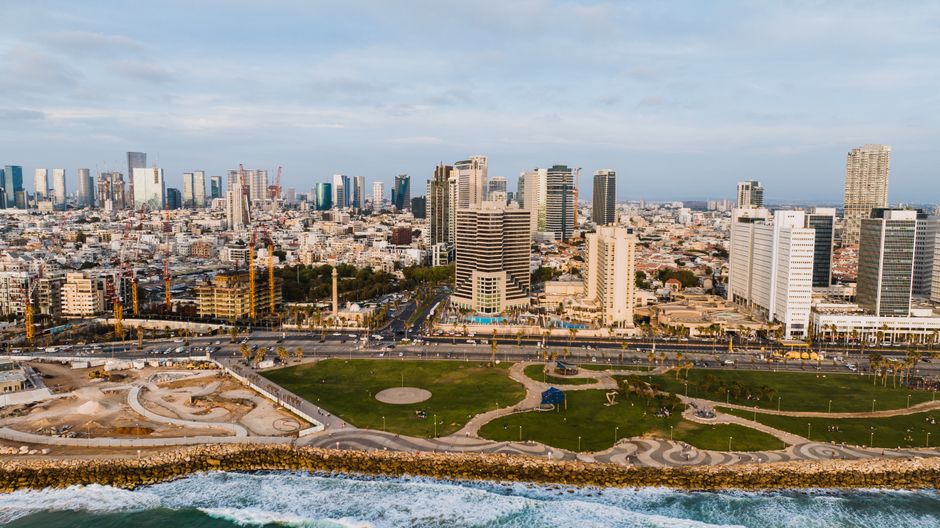
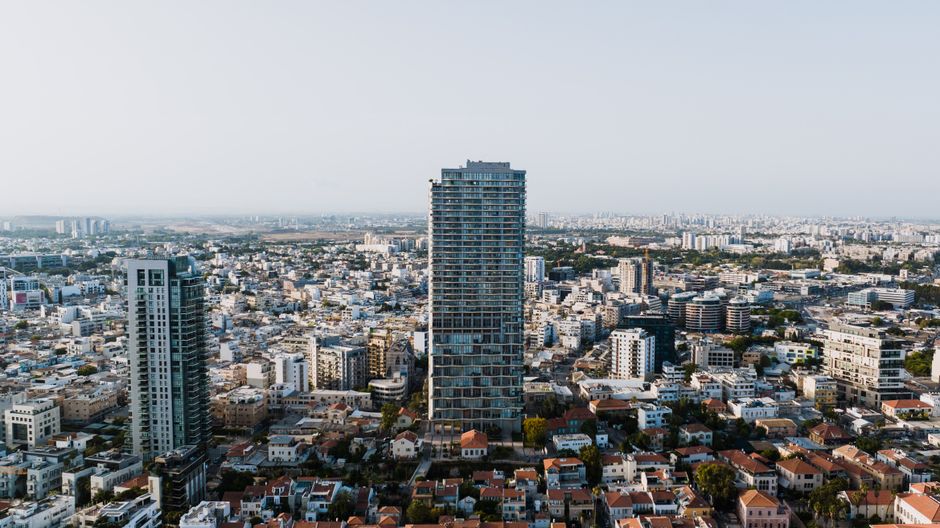
Tel Aviv's municipal digital infrastructure holds hundreds of thousands of photographs — street improvements in Florentin, ribbon cuttings on Rothschild Boulevard, construction progress reports from the Port of Tel Aviv redevelopment zone. The problem, which city technology administrators have been grappling with since at least 2023, is that a significant share of those images exist in duplicate, triplicate, or worse. The effort to systematically replace and consolidate those redundant files is now entering a new operational phase.
The issue matters now because the city is in the middle of a major expansion of its open-data portal, Tel Aviv-Yafo Open Data, which sits under the municipal DigiTel platform. As the portal scales to serve developers, urban planners and journalists, bloated and duplicated asset libraries slow query times, inflate cloud storage costs and, in several documented cases, have caused the wrong version of an image to appear in official publications — including once on the homepage of the Jaffa Heritage Foundation's city-funded page in early 2024.
How the Duplication Problem Built Up
The roots of the problem stretch back to the mid-2010s, when Tel Aviv was rapidly digitising municipal records while simultaneously contracting multiple external vendors for communications work. The city's communications department, based on Ibn Gabirol Street, operated its own image library. The urban development authority ran a separate archive. The Tel Aviv Foundation, the non-profit arm that funds many city projects, maintained a third. None of these systems talked to each other.
When COVID-19 hit in March 2020 and virtually all public-facing city services moved online within weeks, the pace of image uploads accelerated sharply while internal coordination collapsed entirely. Events that would normally have generated a single curated photo set were now documented by department staff on smartphones, communications contractors with professional cameras, and automated feeds from city surveillance infrastructure repurposed for public-health documentation. The same image of a vaccination site at Rabin Square might sit in four separate folders under four different file names, each tagged differently and each treated by archiving software as a unique asset.
By 2022, internal audits — the results of which have not been formally published — flagged the problem as a storage and governance concern. Municipal cloud storage costs had grown substantially, and the DigiTel team identified duplicate imagery as one of several contributing factors alongside video files and uncompressed PDF documents.
The Replacement Program and What Comes Next
The structured duplicate-image replacement effort, referred to internally within DigiTel as the Visual Asset Rationalisation Project, began in earnest in the second half of 2024. The process involves automated hash-comparison tools identifying pixel-identical or near-identical files, followed by human review to determine which version carries the correct metadata — accurate date, location tag, rights clearance and subject description — before the others are retired and their references updated across all linked platforms.
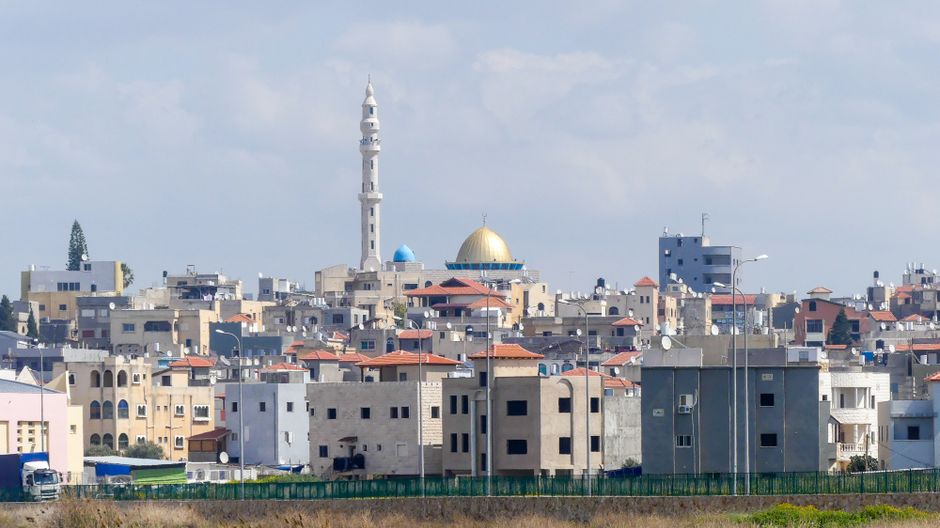
The work is concentrated on three priority collections: images tied to the Neve Tzedek cultural district, which appear across tourism materials, heritage records and event listings; photographs from the HaKirya urban renewal corridor; and the entire Jaffa waterfront documentation set, which had accumulated particular disorder due to the number of overlapping stakeholders involved in that zone's development.
The practical consequences for residents and users are modest but real. Several neighbourhood association websites that pull images automatically from the municipal library saw broken links and placeholder boxes through early 2025, a side effect of the deletion phase running ahead of the re-linking phase. The DigiTel team has since adjusted the sequencing so that replacement links are confirmed active before legacy files are removed.
For anyone relying on city imagery — local journalists, architects submitting planning documents, community groups building neighbourhood websites — the advice from the municipality's digital services desk is to download and locally save any image currently in use from city sources before the end of August 2026, when the next major batch of legacy files is scheduled to be retired. Requests to preserve specific images for historical or legal purposes can be submitted through the DigiTel service portal, which handles queries in Hebrew, Arabic and English.