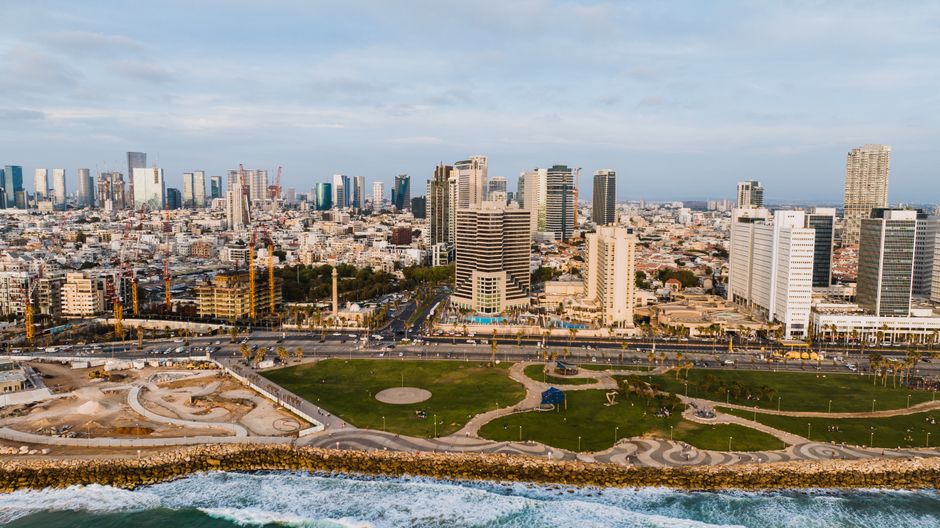
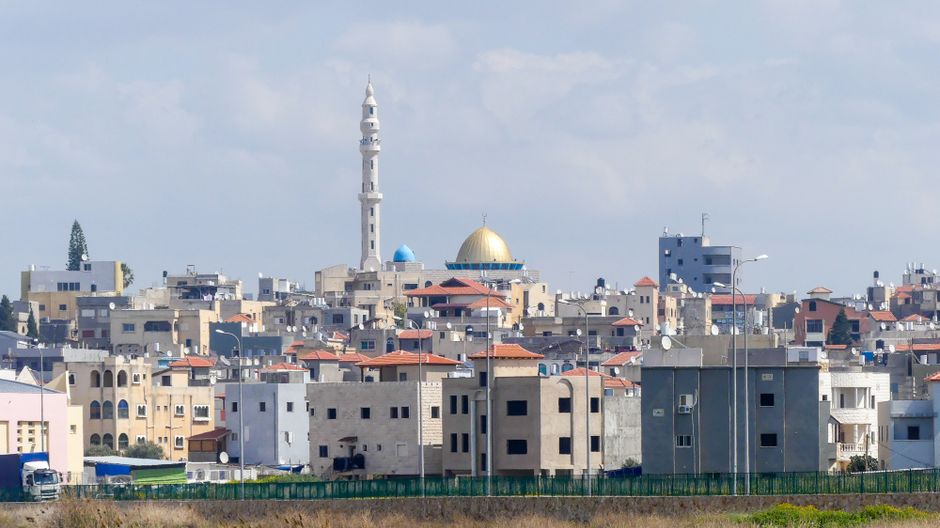
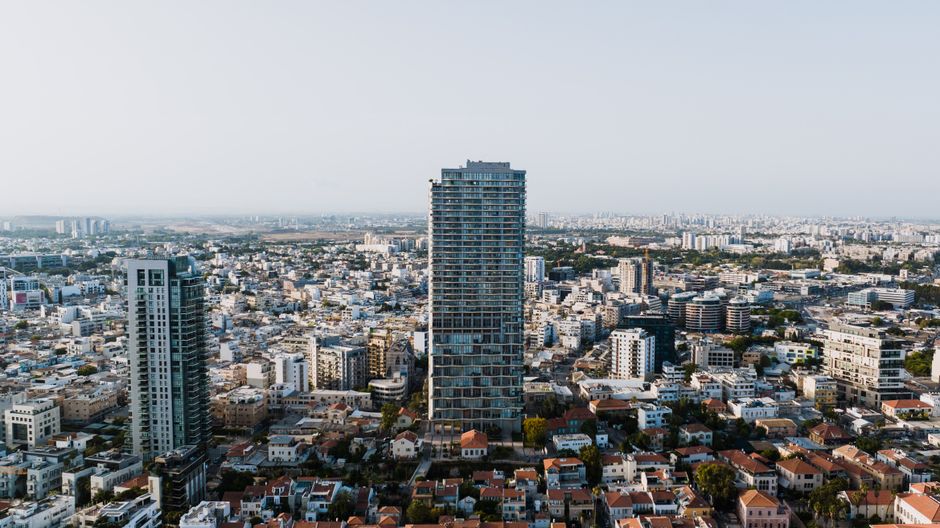
Tel Aviv's Municipality Digital Services Unit began a formal sweep this week of repeated and mismatched imagery across its official web properties, following an internal review that found hundreds of duplicate photographs clogging the city's digital infrastructure. The audit, which started Monday, July 1, covers portals including the main Tel Aviv-Yafo municipal site, the city's tourism platform Visit Tel Aviv, and the Digi-Tel resident services app used by more than 400,000 registered users.
The timing matters. The municipality has been migrating legacy content management systems to a new unified platform since late 2025, and that migration exposed just how disorganised the city's image libraries had become. Administrators found the same stock photograph of the Carmel Market appearing on at least fourteen separate pages, while aerial shots of the Old Port — the Namal — taken in 2019 were still being used on pages describing current renovation works that have since transformed sections of the waterfront.
What the Audit Found This Week
By Thursday, July 3, the digital unit had flagged more than 340 image files marked for replacement or deletion across three platforms. Roughly 60 of those were photographs of public spaces — including Rothschild Boulevard and Rabin Square — where the physical environment has visibly changed since the images were captured. Renovated pavements, new kiosks, and updated public art installations on Rothschild made a batch of older images actively misleading for residents and visitors consulting the site for current information.
The Digi-Tel app, which handles everything from parking permits to cultural event registrations, had a separate problem: profile and category banners loaded with near-identical thumbnail images, slowing page rendering and creating a disjointed user experience on mobile devices. The municipality's IT division said replacements would prioritise those sections first, with fresh photography commissions sent to contractors already on retainer through the city's framework agreement.
This kind of back-end housekeeping rarely surfaces publicly, but the knock-on effects reach residents directly. Urban planners at the Azrieli Institute for Urban Technology, which has consulted on several Tel Aviv smart-city projects, have pointed out in published research that outdated or repeated digital imagery in civic platforms correlates with lower public trust in government digital services — a pattern observed in comparable projects in Amsterdam and Seoul.
What Comes Next for Residents
The municipality has set an internal deadline of August 31 to complete Phase One of the replacement work, which covers the 15 highest-traffic pages on the main Tel Aviv-Yafo portal. Phase Two, targeting Digi-Tel and secondary department subsites, is scheduled for completion before the end of the municipal fiscal year on December 31, 2026.
New images will be sourced from two channels: an open call for licensed photography submissions from Tel Aviv-based photographers, to be administered through the city's cultural department on Ibn Gavirol Street, and a targeted commission of 50 original images focusing on neighbourhoods that have been historically underrepresented in city visuals — Florentin, Neve Sha'anan, and parts of southern Jaffa among them.
Residents who notice a particular image on a municipal platform that appears outdated or repeated can flag it through the existing feedback function on the Digi-Tel app, which the municipality says it checks weekly. The digital unit has not announced additional staffing for the audit project, though it noted the work is being handled within the existing annual IT operations budget, which the city approved in January 2026.
For businesses and community organisations whose premises or events appear in the older images being phased out, the municipality says it will make replacement image choices available for public comment for a 14-day window before publishing — a small but notable procedural step toward transparency in what is usually an entirely internal process.