Tel Aviv's municipal technology division wrapped up a five-day internal review on Thursday, identifying at least 340 instances of duplicate or low-resolution placeholder images embedded across official digital infrastructure — from the Tel Aviv-Yafo Municipality website to the city's network of smart information kiosks along Rothschild Boulevard. The sweep, conducted between June 29 and July 3, marks the most systematic image-quality audit the city has undertaken since overhauling its DigiTel resident services platform in late 2023.
The timing is deliberate. City Hall is midway through a broader digital accessibility upgrade required under Israel's Equal Rights for Persons with Disabilities Law, with a compliance deadline set for the end of 2026. Duplicate images — particularly those carrying identical alt-text tags or blank descriptors — directly undermine screen-reader functionality, leaving visually impaired residents unable to distinguish between separate pieces of content. That regulatory pressure, combined with a spike in resident complaints logged through the 106 municipal hotline this spring, pushed the audit onto the summer calendar.
What the Audit Found on the Ground
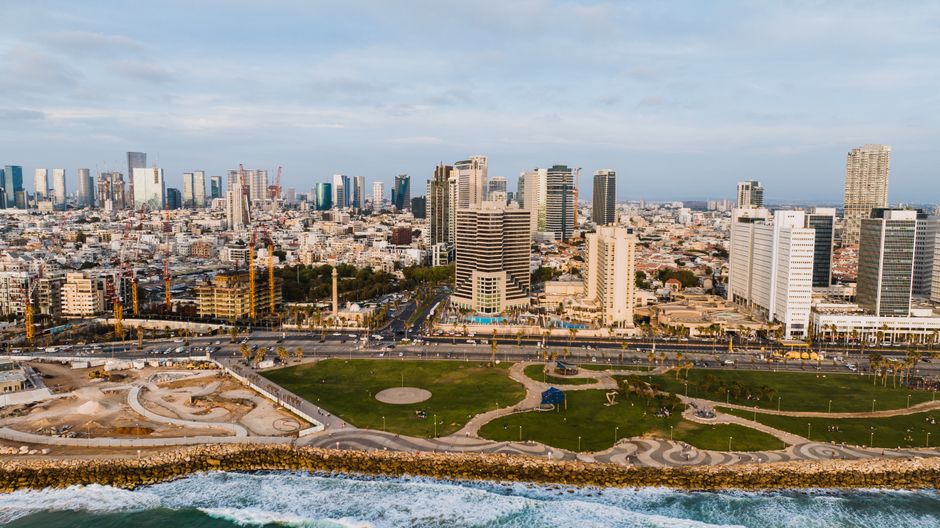
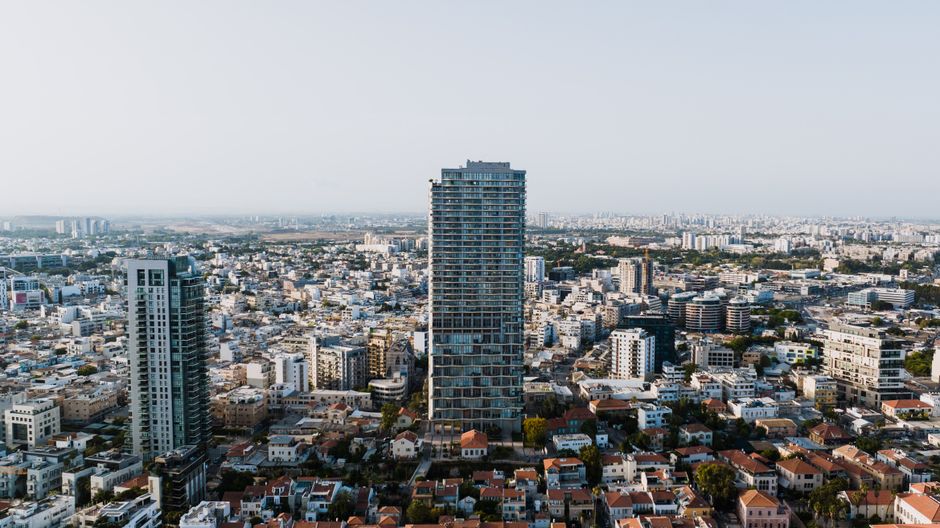
The worst offenders were concentrated in two areas: the events and culture section of the Tel Aviv municipal portal, which serves roughly 1.2 million registered DigiTel users, and the digital display network managed by the Neve Tzedek Cultural Center. Auditors found clusters of the same generic Tel Aviv skyline photograph used across more than 60 separate event listings published between January and June this year. In several cases, neighbourhood-specific pages for Florentin and the Old North were illustrated with identical aerial stock shots carrying no geolocation metadata.
The 38 smart kiosks installed along the promenade between Gordon Beach and the Tel Aviv Port were also flagged. A subset of kiosks running outdated content management software had defaulted to a set of 12 recurring images whenever fresh assets failed to sync — a glitch that had gone unreported since at least February, according to a municipality technical summary reviewed for this article. Replacing and recategorising affected image files across all platforms is expected to cost the city approximately 280,000 shekels, drawn from an existing digital infrastructure budget line approved by the city council in March 2026.
Next Steps and What Residents Can Expect
The municipality plans to roll out an automated duplicate-detection tool built on open-source perceptual hashing software by September 1. The system will flag visually similar images before they are published to any city-managed channel, a process currently handled manually by a three-person content team inside the Digital Tel Aviv directorate, based at the municipal complex on Ibn Gabirol Street. Similar tools have been deployed by city governments in Amsterdam and Barcelona, where post-implementation audits showed measurable reductions in content errors within six months of launch.
Residents who spot repeated or broken images on city platforms can report them directly through the 106 app, which added a dedicated media-error category in its April 2026 update. The DigiTel portal itself is scheduled for a visual content refresh in August, with Florentin, Neve Tzedek, and the Carmel Market area among the first neighbourhoods to receive newly commissioned photography. Contracts for that photography work went out to tender through the municipality's procurement office last week, with a submission deadline of July 20.
The broader digital accessibility overhaul, of which this image audit forms one part, is being tracked by the Israel Internet Association, which has documented accessibility shortfalls across dozens of local authority websites nationwide. Tel Aviv's compliance push, whatever its interim stumbles, puts it ahead of most Israeli municipalities on the 2026 deadline. The next progress report goes before the city council's technology and innovation committee on July 22.