Tel Aviv's municipal communications infrastructure has a problem hiding in plain sight. Across the city's official digital platforms — from the Tel Aviv-Yafo Municipality website to the Digi-Tel resident portal — thousands of duplicate images have accumulated over roughly a decade of disorganised archiving, the result of multiple departments uploading photography independently and without a shared cataloguing standard.
The issue matters now because the municipality is midway through a NIS 4.2 million overhaul of its digital services platform, with a target completion date of the first quarter of 2027. Duplicate images slow load times, inflate server costs, and complicate the work of contractors rebuilding the city's digital infrastructure. Before the new system can go live, those archives need to be audited and trimmed.
How the Problem Grew
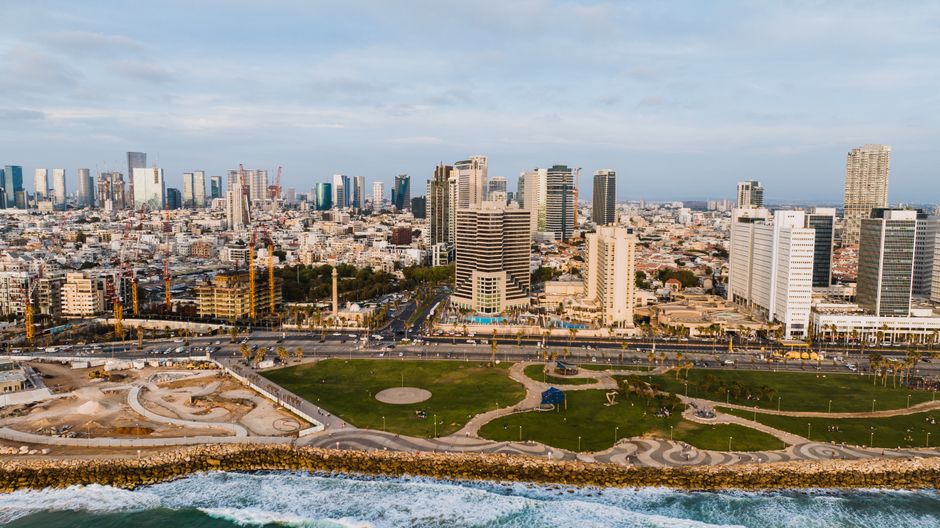
The roots of the duplication crisis trace back to around 2014, when the municipality expanded its digital communications work and began commissioning photography on a project-by-project basis rather than through a single centralised contract. The Bauhaus Center on Dizengoff Street might be photographed by three separate vendors over three years — for a tourism campaign, an architectural heritage publication, and a Digi-Tel newsletter — with each set of images uploaded to a different folder by a different department staffer. No one was checking for overlap.
The problem compounded during the COVID-19 period, when remote working arrangements meant staff across units in the municipality's headquarters on Ibn Gabirol Street were uploading files without the informal coordination that office proximity had previously provided. By some internal estimates that have circulated among municipal IT staff, the city's image library grew by more than 60 percent between 2020 and 2022, with a significant share of those additions being near-identical shots of landmarks like the Carmel Market, the beachfront promenade at Gordon Beach, and Rabin Square.
The Tel Aviv Digital Department, which sits within the broader Innovation and Technology Directorate, has been aware of the issue since at least late 2023, when an internal audit flagged redundancy rates in certain folders running as high as one duplicate for every two unique images. That audit, covering roughly 180,000 files, recommended a phased deduplication process but did not set a binding timeline.
Cleaning Up the Archive
The deduplication work that is now underway uses a combination of automated hash-matching software and manual review. The automated layer can catch exact copies and near-exact copies — images resized or lightly cropped from the same original — while human reviewers handle edge cases where two photographers have shot essentially the same subject from the same angle on different days.
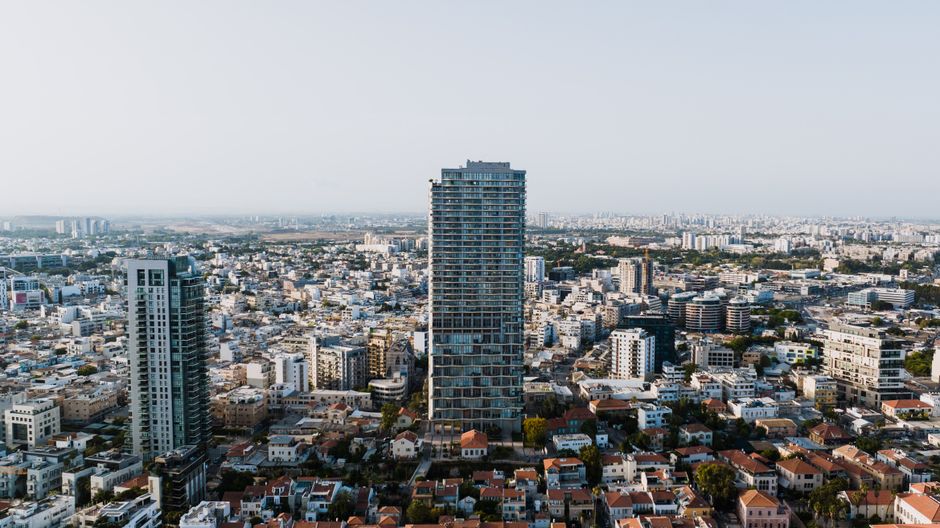
The practical implications extend beyond server efficiency. Tel Aviv's communications teams produce materials for a city of roughly 460,000 residents, plus a much larger daytime population that commutes in from surrounding municipalities including Ramat Gan and Givatayim. Consistent, well-curated visuals matter for everything from emergency public health notices to promotional campaigns targeting international business tourism, a segment the Tel Aviv Global City program has prioritised since its relaunch in 2022.
Organisations that work closely with the municipality on urban development communications, including the Tel Aviv Foundation and various NGOs operating out of the Jaffa-based social enterprise hub known as the Industrial Zone, have also flagged that sourcing approved images for co-branded materials has become time-consuming precisely because the archive is so cluttered.
The deduplication project is scheduled to complete its first major phase — covering the most-accessed 40,000 images in the municipal library — by September 2026. A second phase targeting older archival material is expected to run through mid-2027, overlapping with the broader digital platform launch. Municipal staff have been advised to halt new uploads to legacy folders in the interim and to route all new photography through a centralised intake process that assigns unique identifiers at the point of upload. Anyone working on city-related communications projects who needs image access in the meantime can submit requests directly through the Digi-Tel contractor portal.