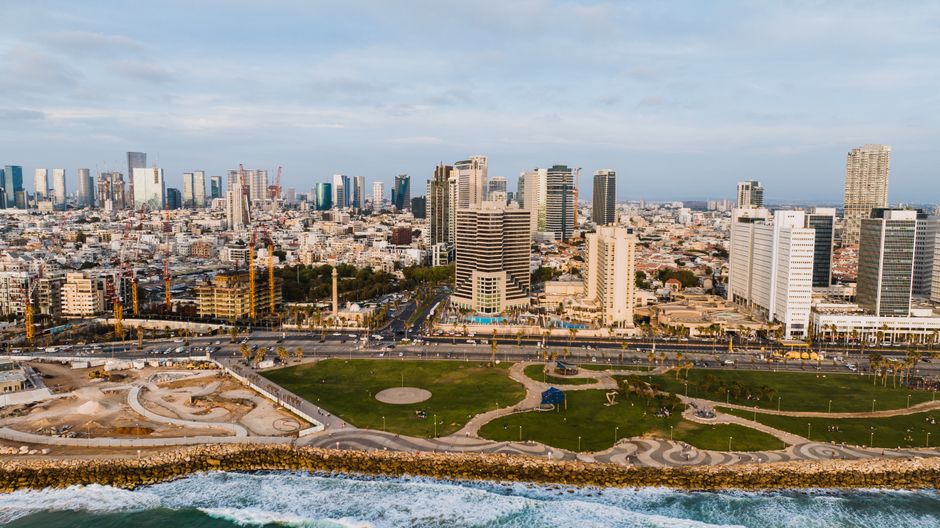
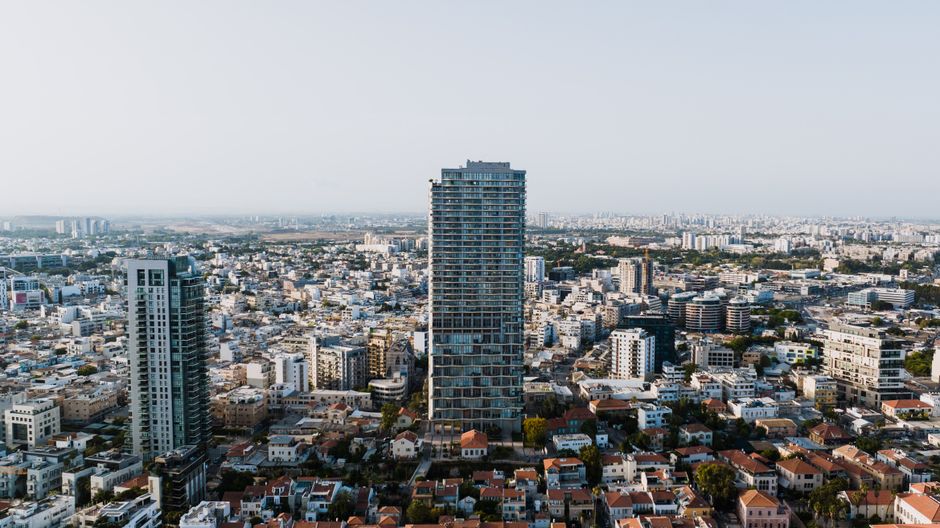
Tel Aviv Municipality's digital planning archive contains somewhere in the region of 340,000 photographs — building permits, heritage assessments, neighbourhood surveys — and a growing number of urban planning professionals say a significant slice of those images are duplicates masquerading as distinct records. The problem, which has quietly accumulated over roughly a decade of rushed digitisation, is now the subject of formal internal review, according to documents circulated this spring by the municipality's Urban Renewal Directorate.
The timing matters. Tel Aviv is in the middle of the most intensive rezoning cycle it has seen since the 1990s. National Outline Plan 38, the tama-38 framework for earthquake-proofing and urban densification, has generated thousands of new permit applications across districts from Florentin to Ramat Aviv Gimmel. Each application relies on photographic documentation to establish baseline conditions. When the same image appears under two different addresses, or two different dates, planners say the integrity of the entire comparative record is compromised.
What the Experts Are Saying
Professionals working inside the city's Geographic Information Systems unit — the GIS department that sits within the municipality's Engineering Administration on Ibn Gabirol Street — have been raising the issue internally since at least early 2025. The core concern, as described in the Urban Renewal Directorate's spring review, is that automated batch-upload tools used during the Covid-19 era digitisation push between 2020 and 2022 failed to run basic hash-comparison checks. That meant identical image files could be saved under multiple project codes without any flag being raised.
The Hebrew University of Jerusalem's Department of Geography, which has a longstanding research partnership with the Tel Aviv municipality, has been called in to advise on a remediation framework. Specialists in digital heritage documentation at the Bezalel Academy of Arts and Design in Jerusalem have also been consulted, given Bezalel's prior work on the National Library's photographic archive project. No formal remediation contract has been publicly tendered as of July 4, 2026.
Urban planning advocates at Ir Amim, the Tel Aviv-based civic organisation focused on equitable city development, have pointed out that the duplicate image problem has practical legal consequences, not just administrative ones. Permit appeals in the Tel Aviv District Planning Committee often hinge on photographic evidence of a building's condition at a specific date. If two images with conflicting metadata purport to show the same facade on Rothschild Boulevard in 2019, a property owner or a developer can use that ambiguity to challenge a committee ruling. Legal representatives in at least three recent cases before the committee have reportedly flagged this issue, though the municipality has not confirmed the specific case numbers.
The Scale of the Problem and Next Steps
The Urban Renewal Directorate's internal review, dated March 2026, estimated that somewhere between four and eight percent of the archive's photographic records may carry duplicate or conflicting metadata. Applied to the 340,000-image figure, that points to a potential 13,000 to 27,000 problematic files. The directorate has not published those figures publicly, but the document was described to The Daily Tel Aviv by a planning professional who reviewed it as part of a contractor briefing.
The municipality has allocated a preliminary budget line of 1.2 million shekels toward a deduplication audit to run through the fourth quarter of 2026, with a target completion date of December 31. The work will be managed out of the Engineering Administration's offices and is expected to draw on AI-assisted image fingerprinting tools of the kind already used by the National Archives in Jerusalem for its own digitisation programme.
For residents filing permit applications or heritage objections right now — particularly those in high-density renewal zones like HaKirya and the port-adjacent streets of the northern Tel Aviv shoreline — planning lawyers advise submitting original timestamped photographs rather than relying solely on municipality archive pulls. The Engineering Administration's permit counter on Ibn Gabirol accepts supplementary photographic submissions as part of any active application file. The audit window, while underway, means the archive's reliability will remain in question at least until early 2027.