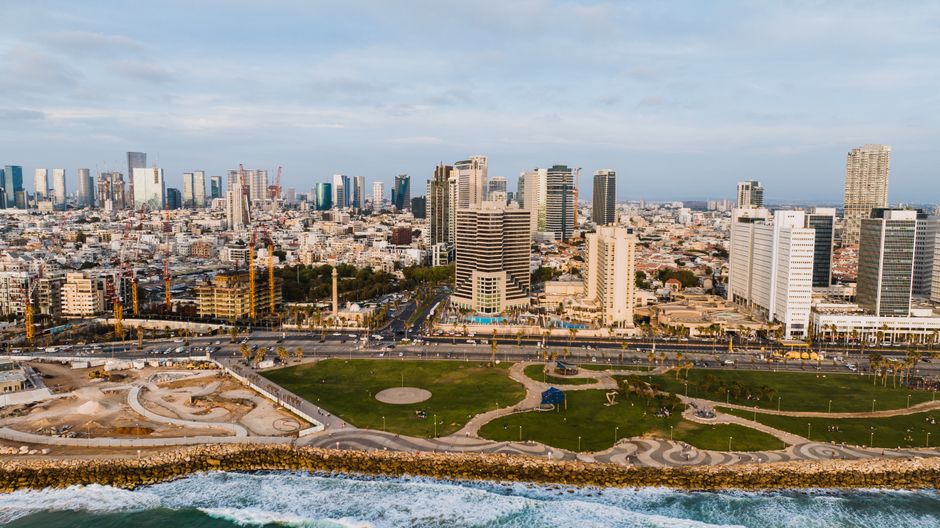
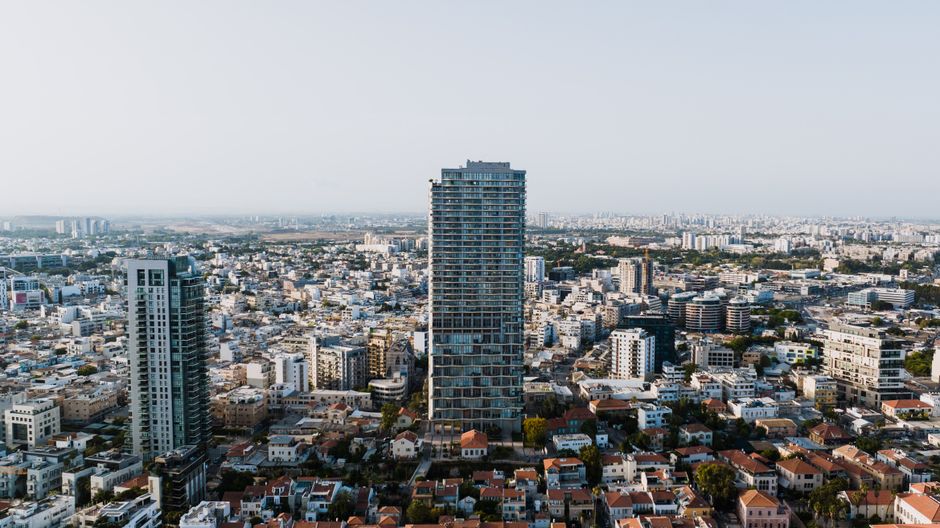
Tel Aviv's municipal planning authority has a problem hiding in plain sight. Thousands of digital files lodged through the city's online permit portal contain duplicate architectural images — identical floor plans, elevation drawings and site photographs attached multiple times to the same application — jamming review queues and, according to urban planning professionals who work daily with the system, contributing to delays that can stretch a routine residential amendment into a months-long wait.
The issue has taken on new urgency in 2026 as Tel Aviv pushes aggressively through its TAMA 38 earthquake-reinforcement pipeline and the broader Pinui-Binui urban renewal program, both of which funnel enormous volumes of technical documentation through the same digital infrastructure. When that infrastructure is clogged with redundant image files, reviewers at the Tel Aviv-Jaffa Local Planning and Building Committee on Shaul Hamelech Boulevard lose time they simply do not have.
What the Experts and Officials Are Saying
Architects registered with the Association of Engineers, Architects and Graduates in Technological Sciences (AIEEET) — the Israeli professional body overseeing licensed practitioners — have raised the issue repeatedly at quarterly coordination meetings with municipal staff. The core complaint is consistent: the city's document management system does not flag or reject duplicate image uploads at the point of submission, meaning a single permit file can contain four or five versions of an identical JPEG before any human reviewer ever opens the folder.
Urban planners working on projects in Florentin and the rapidly redeveloping Shapira neighbourhood describe a practical consequence: committee clerks sometimes log the same image as multiple distinct documents, inflating the official file count and triggering additional review steps that were designed for genuinely complex applications. One licensed architect, speaking in a professional capacity without attribution, described the situation at an AIEEET forum in June 2026 as a technical debt problem — a shortcut taken when the portal was built that nobody has yet been assigned to fix.
The Tel Aviv Municipality's Digital Transformation Unit, which oversees the GOV.IL-linked permit interface, has acknowledged in public-facing documentation that file deduplication is on its development roadmap. However, no firm implementation date has been published as of July 4, 2026.
The Cost to Applicants and the City's Housing Targets
The stakes are not trivial. A standard TAMA 38 reinforcement permit in Tel Aviv carries baseline municipal fees of roughly 15,000 to 25,000 shekels depending on floor area, and professional preparation costs can push total pre-approval expenditure well above 60,000 shekels for a mid-sized residential block. Delays caused by administrative inefficiencies compound those costs directly, since architects and engineers bill hourly for follow-up correspondence with the planning committee.
Tel Aviv has committed — under its Metropolitan Strategic Plan for Housing, ratified in 2023 — to enabling the construction of 50,000 new housing units by 2030. Planners affiliated with the Israel Planners Association have argued, in position papers circulated earlier this year, that the city cannot meet that target while its digital permitting infrastructure operates below basic efficiency standards. Duplicate image replacement — the manual process by which applicants are currently asked to re-upload corrected file sets after a clerk flags the problem — adds an average of three to six weeks to affected applications, according to internal estimates cited at a Tel Aviv planning forum held at the Azrieli Center in March 2026.
The Florentin Residents and Businesses Association has separately written to the Local Planning Committee requesting a dedicated technical liaison for small-scale applicants who lack the administrative capacity of large development firms, specifically citing the duplicate-upload problem as a barrier for individual apartment owners pursuing TAMA 38 eligibility.
For applicants currently in the system, planning professionals recommend submitting image files through the portal's batch-upload function rather than individual drag-and-drop, which is more likely to trigger duplicate entries. Firms specialising in permit preparation, including several based in the Neve Tzedek office cluster near Shabazi Street, have begun offering pre-submission file audits as a standalone service. The municipality has said it will publish updated submission guidelines on the Tel Aviv Digital Services portal before the end of the third quarter of 2026.