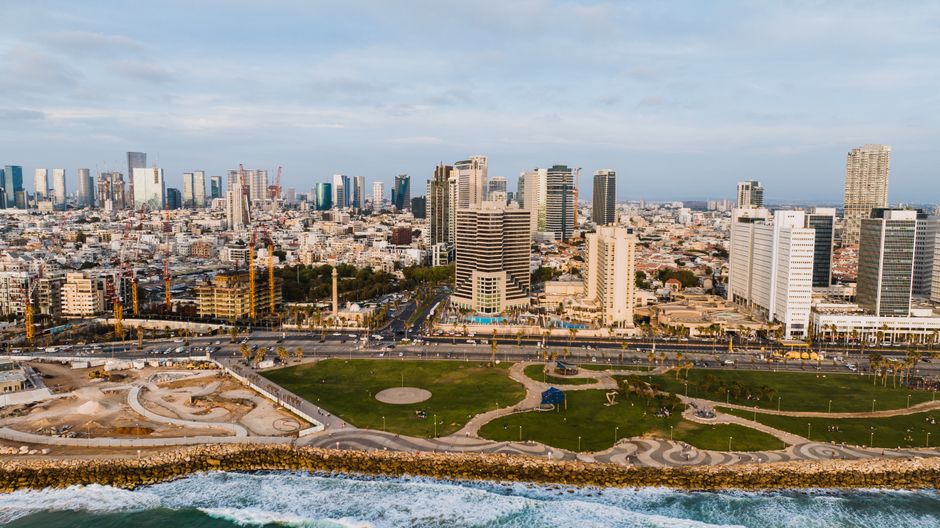
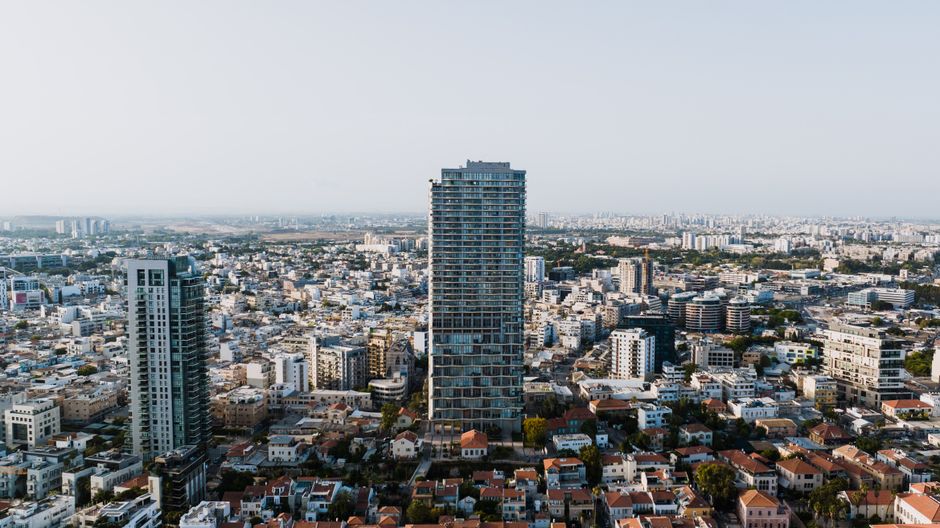
Tel Aviv's municipal property registry currently holds more than 4,200 listings flagged for duplicate or mismatched photographs — a number that has grown steadily since the city's construction surge began accelerating around 2018. The problem sounds bureaucratic. For anyone trying to sell, rent, or legally document an apartment in Florentine, Neve Tzedek, or along the rapidly redeveloping Menachem Begin Road corridor, it is anything but.
The issue matters now because the Tel Aviv-Yafo Municipality launched a formal digitisation drive in early 2025, moving property records onto a unified platform called the City Digital Ledger, or in Hebrew, Pinkas Ha'Ir HaDigitali. That migration pulled old scanned files and newer digital uploads into a single database for the first time. When the two layers merged, mismatches surfaced at scale — the same exterior photograph attached to multiple units in a building, or a image of a 1970s walk-up in Shapira neighbourhood appearing on a listing for a newly completed tower in the Sarona district. The ledger went partially live in March 2026, and the flagged duplicates became visible to agents and lawyers almost immediately.
Decades of Paperwork, One Digital Crash
The roots stretch back further than 2018. Tel Aviv's building permit system ran largely on paper until 2012, when the national Land Registry, Tabu, began accepting scanned documents. Scanning offices across the city — many concentrated near the municipal building on Ibn Gabirol Street — handled thousands of submissions a month, and quality control was inconsistent. A permit for a building on Allenby Street might be scanned alongside photographs meant for an adjacent address, then filed under the wrong parcel number before anyone noticed.
Between 2015 and 2022, Tel Aviv approved construction permits for roughly 22,000 new residential units according to figures published by the Tel Aviv-Yafo Municipality's planning department. Each unit required photographic documentation at multiple stages. With the city's planning departments under sustained pressure to process applications quickly — the average permit approval time was recorded at 14 months in 2021, according to a report by the Israel Builders Association — visual documentation was rarely a priority check.
Real estate lawyers working in the Tel Aviv District Court's registration division say the problem compounds during property transfers. When a title deed is updated, the system automatically pulls an image from the existing registry file. If that image is wrong, the error propagates into the new ownership document. Correcting it requires a formal amendment application to Tabu, a process that can take between three and six months and costs homeowners an administrative fee currently set at 320 shekels per file under the Land Registry fee schedule published in January 2026.
The Current Push for Correction
The Tel Aviv-Yafo Municipality's GIS and Mapping Unit, housed in the city's urban infrastructure division on Shaul Hamelech Boulevard, began a systematic re-photographing programme in the second quarter of 2025. Inspectors are working neighbourhood by neighbourhood — the Kerem HaTeimanim district and parts of northern Tel Aviv's Ramat Aviv were processed by April 2026. Central districts, including the White City area around Rothschild Boulevard with its UNESCO-listed Bauhaus buildings, are scheduled for completion before the end of 2026.
The Israel Real Estate Appraisers Association flagged the duplicate image issue in a position paper submitted to the Housing Ministry in November 2025, noting that mismatched photographs had caused delays in at least 340 documented transactions in the Tel Aviv metropolitan area during the previous 12 months. That figure covers only cases brought to the association's attention and is widely considered an undercount.
For residents and buyers navigating this now: legal advisers working in the Tel Aviv area recommend requesting a fresh Tabu extract dated within 30 days of any transaction, then cross-referencing the attached photographs against the physical address before signing anything. If a discrepancy appears, the correction request should be filed with the Land Registry office on HaArba'a Street before the sale closes, not after. Waiting until post-transaction adds layers of complexity that a pre-signing amendment avoids entirely. The GIS unit's public inquiry line is accepting duplicate-image reports through the municipality's digital service portal, which the city says it monitors on a five-business-day turnaround.