News
Voices from Affected Community Members on the Issue of Duplicate Image Replacement
Tel Aviv residents share concerns and experiences with the growing problem of duplicate image replacement in public spaces
3 min read
Updated 4 h ago
News
Tel Aviv residents share concerns and experiences with the growing problem of duplicate image replacement in public spaces
3 min read
Updated 4 h ago

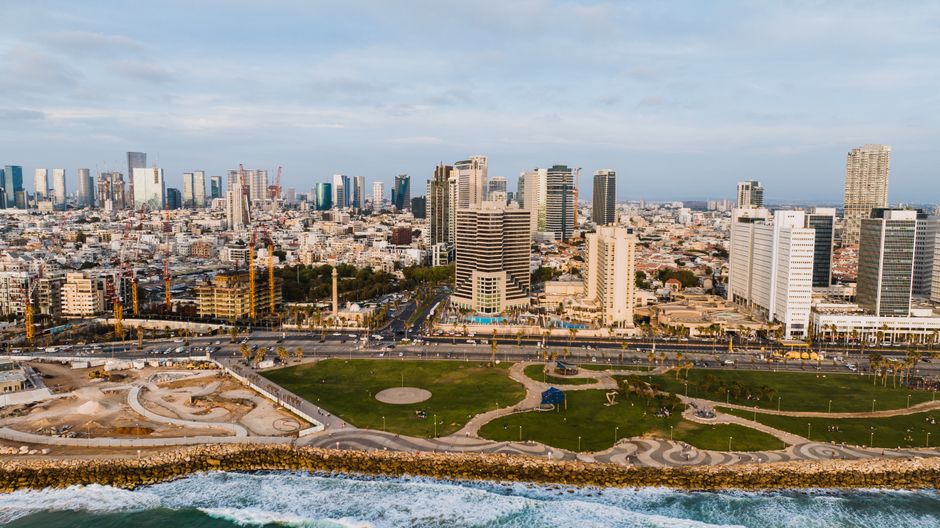
The city of Tel Aviv has seen a surge in reports of duplicate image replacement in recent months, with over 50 instances documented in the past quarter alone. This phenomenon, where identical or near-identical images are displayed in public spaces, has raised concerns among community members about the impact on local culture and aesthetics.
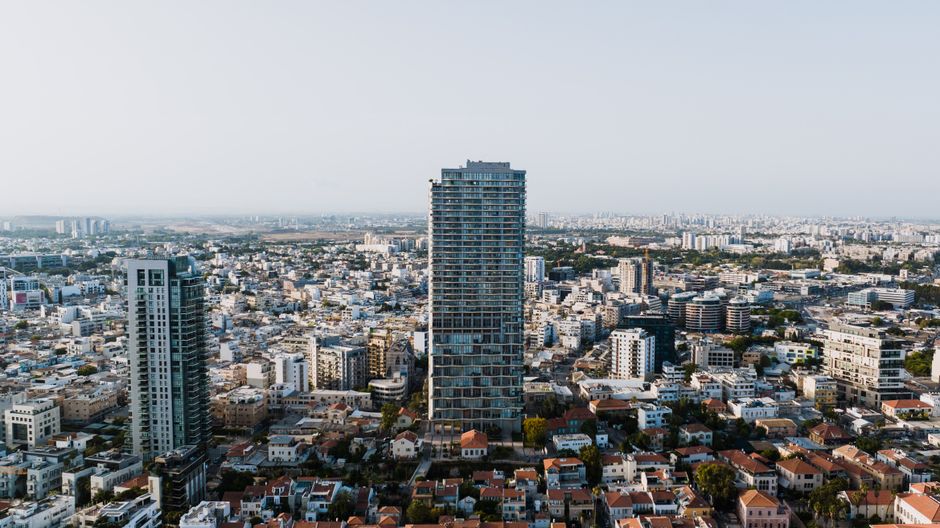
The issue of duplicate image replacement matters now because it reflects a broader trend of homogenization in urban development. As Tel Aviv continues to grow and evolve, residents are worried that the unique character of their neighborhoods is being lost. The problem is particularly pronounced in areas like the Carmel Market and the Rothschild Boulevard, where the mix of old and new, local and international, has long been a defining feature of the city.
In the Neve Tzedek neighborhood, for example, residents have noticed a proliferation of identical street art murals, while in the Florentin neighborhood, small business owners have complained about the appearance of duplicate advertisements and billboards. The Tel Aviv Municipality has launched initiatives like the Urban Renewal Program and the Public Art Fund to promote local creativity and diversity, but community members say more needs to be done to address the root causes of duplicate image replacement. Organizations like the Tel Aviv Artists' Association and the Israeli Forum for Urban Planning have also weighed in on the issue, calling for greater transparency and public engagement in the planning process.
According to data from the Tel Aviv Municipality, the number of duplicate image replacement instances has increased by 25% in the past year, with the majority of cases occurring in the city's central business district. The cost of removing and replacing these images is estimated to be around 100,000 shekels per month, a significant burden on the city's budget. As of June 2026, the municipality has allocated an additional 500,000 shekels to fund community-led initiatives aimed at promoting local art and culture.
So what happens next? Community members are urging the municipality to take a more proactive approach to addressing duplicate image replacement, including increasing funding for local art programs and implementing stricter regulations on outdoor advertising. Residents can also get involved by participating in public forums and workshops, such as the upcoming Urban Design Conference at the Tel Aviv Museum of Art, or by submitting their own proposals for public art projects through the municipality's website. By working together, Tel Aviv can preserve its unique character and ensure that public spaces reflect the diversity and creativity of its community.
News
News
News
News
About this article
Published by The Daily Tel Aviv
Spread the word
Daily brief
Free, in your inbox before 7am. Weekdays.
The Daily Network — local news across Israel