Wellness
Screen Time and Sleep: What the Research Actually Shows
New findings cut through the noise on blue light, bedtime scrolling and why Tel Aviv's late-night culture may be quietly wrecking your rest.
4 min read
Updated 45 min ago
Wellness
New findings cut through the noise on blue light, bedtime scrolling and why Tel Aviv's late-night culture may be quietly wrecking your rest.
4 min read
Updated 45 min ago
Adults who use a smartphone for 60 minutes or more in the hour before bed take, on average, 19 minutes longer to fall asleep than those who put the device down earlier — and their deep-sleep stages are measurably shorter. That figure comes from a 2024 meta-analysis published in Sleep Medicine Reviews, pulling together data from 41 separate studies and more than 28,000 participants. It is the most robust number the field has produced, and sleep researchers say it should finally settle some of the debate.
The timing matters here. Global screen use has only grown since that data was gathered. Hormone researchers tracking melatonin suppression now point to evening screen exposure as one of the more consistent disruptors of the body's natural sleep-onset signal — more consistent, they argue, than caffeine consumed after noon. And in a city like Tel Aviv, where dinner rarely starts before 9 p.m. and Rothschild Boulevard stays busy well past midnight, the evening wind-down window that sleep science recommends simply does not exist in the same way it does elsewhere.
Not all screen use is equal, and this is where public understanding has lagged behind the evidence. The Sleep Medicine Reviews meta-analysis found the strongest sleep disruption linked to social media scrolling and short-video platforms — content designed for irregular, unpredictable reward. Reading a long-form article on a tablet in night mode, by contrast, produced effects closer to reading a physical book, provided the screen brightness was reduced to below 50 lux. Blue-light-blocking glasses showed modest benefits in some trials but inconsistent results across the broader literature; researchers at the Weizmann Institute of Science in Rehovot, which has published work on circadian biology, have noted that the brightness of a screen matters more than its spectral content alone.
The psychological arousal from content — a tense news cycle, a WhatsApp argument, a work email landing at 11 p.m. — compounds the physiological effect. Heart rate variability data collected by consumer wearables, aggregated in a 2025 report by sleep-tracking company Oura, showed that users who checked work messaging apps within 30 minutes of their intended sleep time had resting heart rates averaging 4.2 beats per minute higher than baseline when they finally lay down. That gap takes roughly 45 minutes to close.
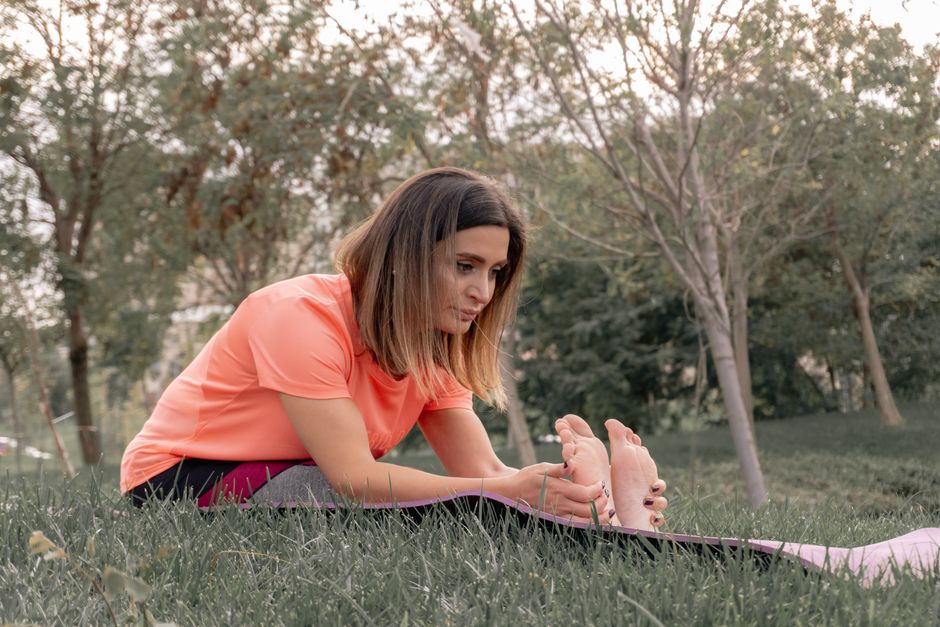
Tel Aviv's wellness infrastructure has moved quickly. The Gordon Pool on Herbert Samuel Promenade — one of the city's most used outdoor facilities — now runs a dedicated pre-sleep yoga class on Tuesday and Thursday evenings, finishing at 9:30 p.m. and explicitly billed as a screen-free hour. Ichilov Hospital's integrative medicine unit on Weizmann Street began offering a structured six-week sleep hygiene programme in January 2026, incorporating personalised screen-time reduction protocols alongside cognitive behavioural therapy for insomnia, known as CBT-I. The programme costs approximately 1,200 shekels for the full course, and there is currently a four-week waiting list.
The Florentin neighbourhood, home to a dense cluster of co-working spaces popular with tech workers, has seen at least three wellness studios open since 2024 that specifically market evening classes as screen detox sessions — Mishol Yoga on Vital Street among them. The pitch is commercial, but the underlying logic tracks with the research: replacing screen time with moderate physical activity or breathwork in the two hours before sleep consistently shortens sleep-onset latency in controlled trials.
The practical takeaway from the current evidence is less dramatic than the headlines often suggest. A hard phone cutoff 90 minutes before sleep produces the strongest results. Failing that, switching to audio — a podcast, music, a phone call — removes the visual stimulation while keeping the social or entertainment function intact. Lowering screen brightness to the lowest comfortable level after sunset costs nothing. And for anyone whose sleep difficulties feel persistent or are affecting daily functioning, the standard advice from clinicians is to pursue CBT-I before experimenting with melatonin supplements, which remain unregulated for dosage in Israel and whose long-term effects are still being studied. A sleep physician or GP at a local kupat holim is the right first call.

Wellness
Wellness

Wellness

Wellness
About this article
Published by The Daily Tel Aviv
Spread the word
Daily brief
Free, in your inbox before 7am. Weekdays.
The Daily Network — local news across Australia