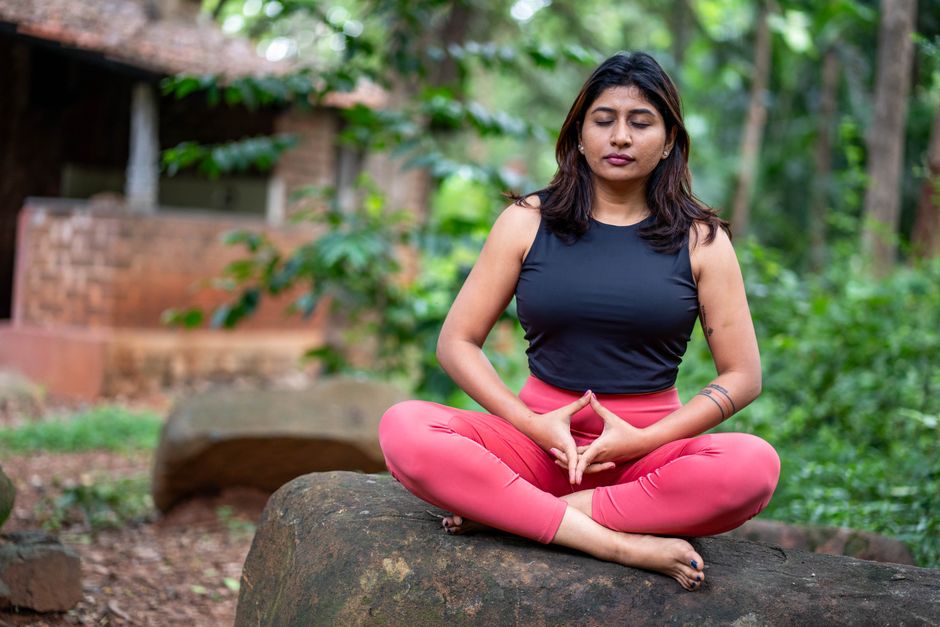
Tel Aviv ranked among the top ten cities globally for outdoor fitness participation in a 2025 World Health Organization urban activity index — and on the ground in July 2026, the evidence is hard to miss. The Tayelet promenade fills by 6 a.m. with runners, the Gordon Pool on HaYarkon Street is booked solid through August, and waitlists for Pilates reformer classes in the Neve Tzedek district stretch three weeks out. Globally, wellness is a $6.3 trillion industry according to the Global Wellness Institute's 2025 report. Locally, Tel Avivians are spending a larger share of disposable income on it than almost anywhere in the Middle East.
The timing matters because several converging pressures have pushed health and self-care to the top of the urban agenda. Record heat across the northern hemisphere this summer — climatologists are flagging June 2026 as a benchmark month in multiple regions — has forced city dwellers to rethink when and how they exercise. In Tel Aviv, where July temperatures regularly exceed 33°C by midday, the shift to early-morning outdoor sessions and late-evening yoga on the beach is no longer a lifestyle choice so much as a practical necessity. The mental-health dimension is equally acute: a Bar-Ilan University study published in March 2026 found that 41 percent of Israeli adults aged 25–44 reported elevated stress scores, a figure that wellness practitioners here say is driving demand for services well beyond the gym floor.
Where the City Is Spending Its Energy
The Florentine neighbourhood has become ground zero for recovery-focused fitness. At least four cold-immersion studios have opened on or near Vital Street since January, offering ice-bath sessions priced between 90 and 140 shekels for 45 minutes — roughly in line with comparable offerings in Amsterdam and Berlin. The concept tracks a global surge in cold-therapy interest, but Tel Aviv operators have localised it hard: one studio pairs every plunge session with breathwork coaching drawn from Israeli trauma-reduction frameworks developed after October 2023. The crossover between clinical mental-health practice and commercial wellness is tighter here than in most European capitals.
Nutrition is moving in a similarly specific direction. The Shuk HaCarmel market on HaCarmel Street has seen a visible proliferation of vendors selling adaptogens, mushroom-based supplements and high-protein plant foods — categories that account for roughly 22 percent of global supplement market growth, per Euromonitor's 2025 data. Tel Aviv's tech-worker demographic, concentrated in the Rothschild Boulevard corridor, is a natural audience: long hours, high cognitive load and disposable income above the national median of 13,200 shekels per month. Several workplace wellness programmes run by companies in the Azrieli Tower complex now include quarterly nutritional consultations as a standard employee benefit, a practice that was rare in Israel even two years ago.
Mental health access is the area where Tel Aviv most clearly diverges from global norms — in both directions. On one hand, the city has a denser concentration of licensed psychologists per capita than Paris or London, according to the Israeli Psychological Association's 2024 directory. On the other, the cost of private therapy, averaging 380–450 shekels per session, pushes many residents toward app-based services or peer-support groups. The Tel Aviv Municipality's Mercaz LaIrgun HaKehilati (Community Organisation Centre) on Ibn Gabirol Street runs a subsidised mental-health programme with sliding-scale fees, and referrals to that programme rose 34 percent between January and May 2026 compared with the same period last year.
What to Watch Through the Rest of Summer
Three developments are worth tracking as the city moves through its hottest months. The municipality is expanding its free outdoor fitness stations along the Yarkon Park trail network — 14 new stations are scheduled for installation before September. A cluster of integrated health clinics combining conventional medicine with nutritional therapy is preparing to open on Allenby Street in the autumn, backed partly by Tel Aviv Sourasky Medical Center partnerships. And the hormonal-health conversation — particularly around perimenopause and testosterone optimisation — is reaching Israeli consumers faster than practitioners had anticipated, with several endocrinology clinics reporting a 60 percent increase in inquiry volume since January.
For residents trying to navigate all of this, local health professionals consistently point toward the same starting place: a baseline blood panel and a conversation with a GP before committing to any supplement stack or recovery protocol, however well-marketed. The global wellness wave carries plenty of noise. Tel Aviv, at least, is generating enough local signal to filter it.