Wellness
The Sleep Environment Checklist for Better Rest
From Florentin loft conversions to Neve Tzedek studio apartments, what you put in your bedroom matters as much as when you go to bed.
4 min read
Updated 3 h ago
Wellness
From Florentin loft conversions to Neve Tzedek studio apartments, what you put in your bedroom matters as much as when you go to bed.
4 min read
Updated 3 h ago
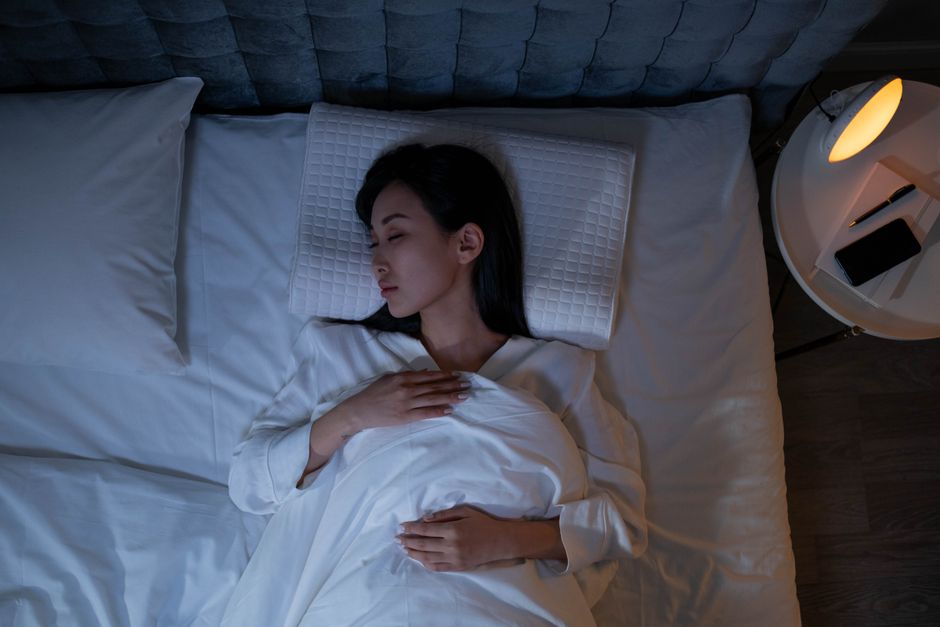
Sleep specialists in Tel Aviv are seeing the same complaint walk through their doors week after week: people who do everything right—exercise on the Yarkon Park trails, eat well, limit screens—and still wake up exhausted. The culprit, more often than not, is the room itself. A growing body of research, including a 2024 meta-analysis published in Sleep Medicine Reviews covering 57 studies and more than 12,000 participants, confirms that ambient temperature, light exposure, and noise levels account for up to 40 percent of reported sleep quality variance in urban adults. The bedroom, it turns out, is the intervention.
This matters more acutely now, in the first week of July, when Tel Aviv is deep into its most punishing stretch of summer heat. Overnight lows this week have barely dropped below 27°C along the coastal strip from Jaffa north to the Reading Power Station. Humidity sits above 70 percent most nights. Both figures push the human body toward lighter, more fragmented sleep—the kind that leaves you foggy at your desk on Rothschild Boulevard by 10 a.m.
The core categories are temperature, light, sound, bedding, and air quality. Temperature is the most critical lever. Sleep scientists generally target a bedroom between 16°C and 19°C for optimal core body temperature drop—the physiological trigger for deep sleep. In a city where running air conditioning all night can add 400–600 NIS to a monthly electricity bill, many residents compromise by setting the unit to 24°C or higher, which is still better than nothing but suboptimal. A ceiling fan running simultaneously can recover some of that ground by accelerating surface evaporation from the skin.
Light is the second pressure point. Tel Aviv's street lighting is aggressive, and the density of high-rise construction in areas like the HaShalom interchange corridor means that light pollution pours through windows even on high floors. Blackout curtains—available at IKEA's Rishon LeZion store starting at around 199 NIS for a standard panel—are the single cheapest measurable upgrade most sleep coaches recommend. The blue-light problem from devices is well-documented, but the ambient orange glow of city streetlamps suppresses melatonin production just as reliably after midnight.
Sound is the Tel Aviv-specific wildcard. Construction cranes are active on Ibn Gabirol Street and across the Lev HaIr district six days a week. Bar noise bleeds out of the Florentine neighbourhood until 3 a.m. on weekends. White noise machines, sold at chains like Super-Pharm for 150–280 NIS, help mask irregular sound spikes—it's the unpredictability of noise, not volume alone, that fragments sleep architecture. Earplugs remain the zero-cost alternative, though compliance over a full night is low.
The Tel Aviv Sourasky Medical Center (Ichilov), on Weizmann Street, runs a dedicated sleep disorders clinic that evaluates patients for conditions including insomnia, sleep apnea, and circadian rhythm disorders. Referral from a GP is typically required. For those who want a non-clinical starting point, the wellness studio chain Mindspace Israel, with a branch in the Sarona Market complex, has introduced a six-week sleep hygiene programme that launched in May 2026, combining breath-work sessions with a structured bedroom audit worksheet participants complete at home.
Bedding matters more than most people think. Natural fibres—cotton percale or linen—breathe significantly better than polyester blends in humid conditions. The Dizengoff Center's home goods floor carries linen sets from local brand Nona Home starting at around 420 NIS for a queen fitted sheet. Air quality is the checklist item residents skip most often: opening windows between 5 a.m. and 7 a.m. to flush stale air, before traffic on Ayalon Highway peaks, is a simple reset that costs nothing.
The practical takeaway is sequential. Fix temperature first, because it has the largest effect size. Then address light. Then sound. Bedding and air quality are refinements, not foundations. Anyone experiencing persistent sleep disruption despite environmental changes should book an appointment with a sleep medicine specialist—Ichilov's clinic number is publicly listed on the hospital's website—rather than cycling through consumer products indefinitely. The environment is the starting point, not the whole answer.
Wellness
Wellness

Wellness

Wellness
About this article
Published by The Daily Tel Aviv
Spread the word
Daily brief
Free, in your inbox before 7am. Weekdays.
The Daily Network — local news across Australia