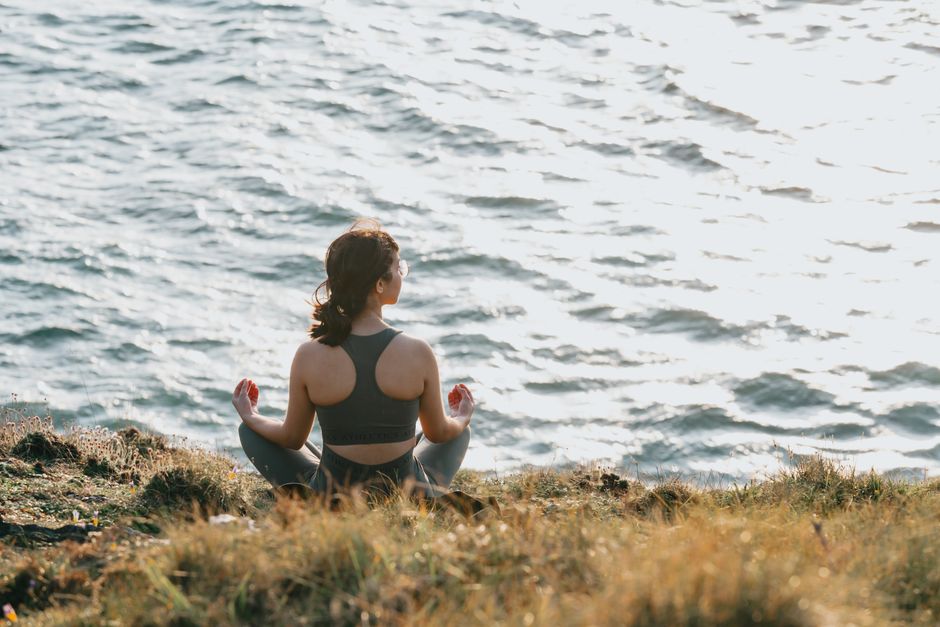
The alarm goes off at 5:15. By 5:45, a loose cluster of practitioners has unrolled mats along the grass ridge at Gan HaYarkon, facing east, waiting for the light to crack over the Yarkon River basin. This is not a scheduled class. Nobody paid a registration fee. It is simply what thousands of Tel Avivis do on summer mornings in July, when the heat has not yet turned savage and the city belongs briefly to the early risers.
Outdoor morning practice has accelerated sharply across Tel Aviv since 2024, when the Tel Aviv-Yafo Municipality expanded its free fitness infrastructure under the "Active Parks" initiative, adding designated quiet zones to seven major green spaces. The timing matters: global interest in hormone health, sleep quality and cortisol management — topics that have dominated wellness media through the first half of 2026 — has pushed people to reconsider when, not just how, they exercise. Morning light exposure before 7 a.m. is consistently cited by chronobiology researchers as one of the most effective ways to anchor circadian rhythms. Tel Aviv's latitude means usable sunrise light arrives before 5:30 through most of July.
Where to Go: The City's Standout Sunrise Locations
Gan HaYarkon remains the anchor. The park stretches across 3.8 kilometres of the northern city and offers several distinct micro-environments for practice. The area near the Morasha bridge, off Rokach Boulevard, draws the most consistent morning crowd — predominantly yoga and qi gong practitioners who have been gathering there informally since at least 2022. The grass is maintained, the river provides ambient sound, and east-facing sightlines are unobstructed. No permit is required for groups under 20 people.
Further south, Charles Clore Park — HaPark HaYarkon's coastal neighbour, sitting directly on the Mediterranean at the northern edge of Tel Aviv Port — offers something Gan HaYarkon cannot: sea horizon. Sunrise over the water here is among the most dramatic in the city. The park's designated quiet lawn, added in late 2024 under the same Active Parks programme, sits back from the promenade path, reducing foot-traffic interruption during early morning hours. Several independent instructors run donation-based sessions there on Tuesdays and Thursdays throughout the summer, typically starting at 5:45 a.m.
The Tel Aviv Port promenade itself — the wooden boardwalk along HaTa'asiya Street — is worth mentioning separately. It is not a park, but from roughly 5:30 to 6:30 on weekday mornings it functions as one: thin crowds, sea breeze, and enough open wooden deck space to practice without a mat, which some minimalist practitioners prefer. The acoustics from the water at that hour are genuinely unusual.
The Cost Question and What to Bring
Free outdoor practice is genuinely free in Tel Aviv's public parks, which distinguishes it sharply from the city's studio market. A drop-in yoga class at a mid-range studio in the Florentin or Neve Tzedek neighbourhoods runs between 60 and 90 NIS per session as of July 2026 — roughly €15 to €24. Monthly memberships at premium wellness studios in the Rothschild Boulevard corridor start around 600 NIS. The financial gap is substantial, and it shows in attendance: Tel Aviv University's 2025 urban wellness survey found that 41 percent of respondents who exercise regularly reported doing so outdoors at least three times per week, up from 28 percent in 2021.
For anyone planning to join the sunrise crowd this summer, the practical details matter. Arrive 15 minutes before sunrise — check the exact time, which shifts daily through July — and bring water, because fountains in Gan HaYarkon are not always operational before 6 a.m. A mat with non-slip backing handles dew. Sun cream is necessary by the time practice ends, even in early morning. And consult a local medical professional before beginning any new physical routine, particularly if you have underlying cardiovascular or joint conditions that morning heat and humidity can affect. The city provides the infrastructure. The rest is yours to manage.