Wellness
Walking Meditation: How to Turn Your Daily Walk into Mindfulness
Tel Aviv's pavements and promenades are hiding a powerful mental health tool — and you don't need a yoga mat or a studio booking to use it.
4 min read
Wellness
Tel Aviv's pavements and promenades are hiding a powerful mental health tool — and you don't need a yoga mat or a studio booking to use it.
4 min read
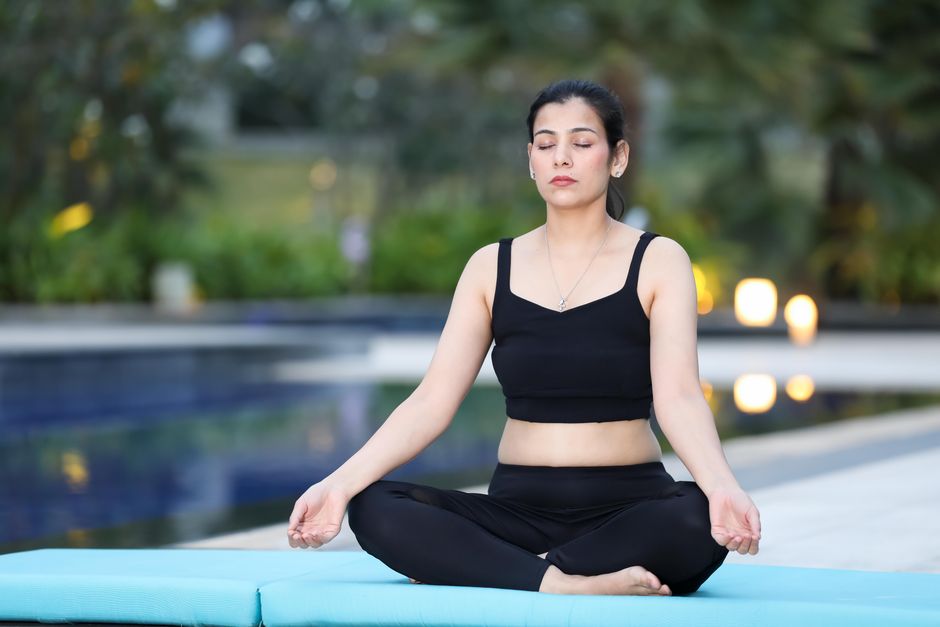
The average Tel Avivi walks 6,000 steps a day without thinking about a single one of them. That, say mindfulness practitioners and neuroscientists alike, is a significant missed opportunity. Walking meditation — the practice of anchoring attention to the physical sensations of each step, breath and surrounding sound — is gaining serious traction among the city's wellness crowd, and unlike most trends on Ibn Gabirol Street, this one costs nothing.
The timing is not accidental. After two years of elevated collective stress, demand for accessible, low-barrier mental health tools has surged across Israel. The Israel Psychological Association reported in early 2026 that roughly 34 percent of adults in Tel Aviv and the greater Gush Dan region identified chronic anxiety as a daily concern. Therapists and wellness coaches in the city are actively pointing clients toward practices that can slot into already-packed schedules. A 20-minute walking meditation on the Tayelet — the seafront promenade stretching from Jaffa northward through Tel Aviv Port — fits that brief precisely.
Walking meditation is not a new idea. Theravada Buddhist monks have practised kinhin, a slow ambulatory form of meditation, for centuries. What has changed is the evidence base. A 2024 study published in the journal Mindfulness found that participants who practised structured walking meditation for 20 minutes, three times a week, over eight weeks showed a 27 percent reduction in self-reported stress scores — comparable to outcomes from seated mindfulness-based stress reduction programs, which typically require weekly group sessions and cost between 600 and 900 NIS per eight-week course in Tel Aviv.
The core technique is straightforward. You slow your pace by roughly 30 percent, direct your attention to the sensation of your heel contacting the ground, then the roll through the arch, then the push-off at the toe. When the mind drifts — to a work message, a parking fine, the noise from a construction site on Rothschild Boulevard — you note the distraction without judgment and return attention to the foot. That cycle of drift and return is not failure; it is the practice itself.
Tel Aviv's urban texture makes it unexpectedly well-suited to this. The sensory richness of the Carmel Market on a Thursday morning — the smell of za'atar, the press of bodies, the call of vendors — gives the practising mind constant, varied material to notice and release. The quieter streets of Neve Tzedek, with their low-rise Ottoman-era architecture and uneven basalt paving stones, offer a different register entirely: slower, more tactile, requiring genuine attention to foot placement.
Several Tel Aviv organisations have begun formalising the practice. The Insight Meditation Israel community, which holds regular English and Hebrew-language sitting groups in the Florentin neighbourhood, introduced a dedicated outdoor walking meditation session in March 2026, meeting Sunday mornings at 7:30 am near the southern Tayelet entrance at Charles Clore Park. The fee is 35 NIS per session, with a sliding scale available. The municipal parks authority, Ganimot, has also flagged plans to mark a dedicated 400-metre slow-walking path in Park HaYarkon by the fourth quarter of 2026 as part of a broader urban wellbeing initiative.
For those who prefer to start alone, the principles are portable. Pick a route you know well enough that navigation is automatic — the stretch of Sderot Ben Gurion from Dizengoff Square toward the beach works for many regulars. Leave headphones at home. Set a soft intention before you begin: not to reach a destination faster, but to notice what arriving actually feels like. Five minutes of deliberate, attentive walking at the start of any commute is a reasonable entry point. Extend by five minutes each week.
The practice asks very little. A pair of shoes, a street, and the willingness to walk slower than everyone around you — which, on a Tel Aviv pavement in July, may itself be the hardest part.
Consult a licensed mental health professional or certified mindfulness instructor for guidance tailored to your personal circumstances.

Wellness
Wellness
Wellness

Wellness
About this article
Published by The Daily Tel Aviv
Spread the word
Daily brief
Free, in your inbox before 7am. Weekdays.
The Daily Network — local news across Australia