Wellness
Five evidence-based techniques to reduce daily stress
Tel Aviv's hyperconnected pace is taking a measurable toll on mental health — here's what the science actually says about managing it.
4 min read
Updated 14 h ago
Wellness
Tel Aviv's hyperconnected pace is taking a measurable toll on mental health — here's what the science actually says about managing it.
4 min read
Updated 14 h ago
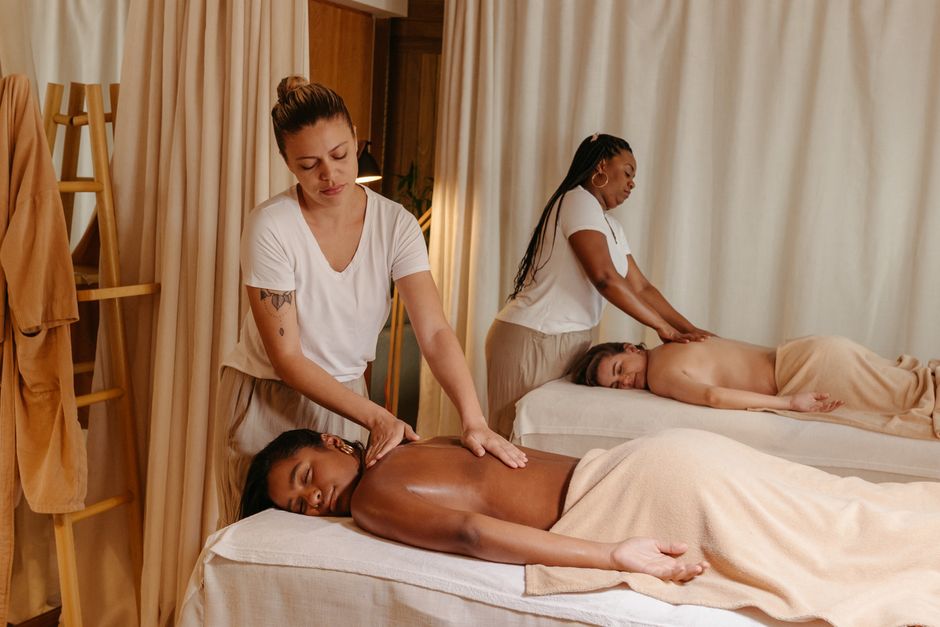
Stress levels among urban Israelis have climbed steadily since 2023, according to a survey published by the Myers-JDC-Brookdale Institute in January 2026, which found that 61 percent of respondents in Tel Aviv district reported experiencing moderate-to-high daily stress — up from 54 percent in 2021. The numbers land hard in a city already running at full tilt: traffic on Ayalon Highway, a housing market that shows no mercy to renters, and a security backdrop that never fully fades. The question isn't whether Tel Avivians are stressed. It's what they can actually do about it.
Hormone therapies and pharmacological interventions generate plenty of headlines, but the evidence base for behavioural and cognitive stress-management techniques is deep, peer-reviewed, and — critically — free or close to it. Five approaches, in particular, have enough clinical weight behind them to be worth weaving into a working week in this city.
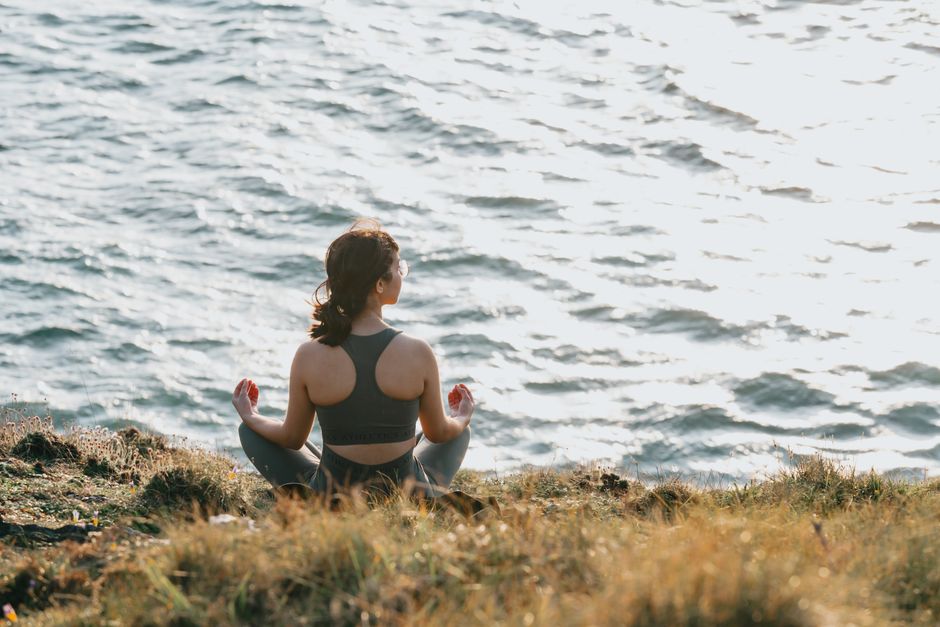
1. Controlled breathing, specifically the 4-7-8 method. Developed from pranayama traditions and studied extensively by Dr. Andrew Weil at the University of Arizona, the technique — inhale for four counts, hold for seven, exhale for eight — activates the parasympathetic nervous system within 90 seconds. A 2022 meta-analysis in Frontiers in Human Neuroscience covering 1,400 participants confirmed statistically significant reductions in cortisol markers after eight weeks of daily practice. No equipment, no commute. Three cycles at your desk on Rothschild Boulevard counts.
2. Brief mindfulness-based stress reduction (MBSR) sessions. The original eight-week MBSR programme, developed at UMass Medical School in 1979, has been condensed in multiple trials into daily 10-minute sessions with comparable outcomes for mild-to-moderate stress. The Tel Aviv-based Mindfullness Institute, operating out of Neve Tzedek since 2018, runs structured eight-week Hebrew-language courses for 980 NIS — roughly 260 USD — and reports a waiting list that now stretches six weeks.
3. Physical exercise with a hard minimum. The threshold matters here: 150 minutes per week of moderate aerobic activity, as specified in World Health Organization guidelines updated in 2020. Below that threshold, mood benefits drop sharply. Gordon Beach and the Yarkon Park running paths give Tel Avivians a genuine infrastructure advantage over most cities. The municipality's free outdoor gym stations along the promenade — 11 stations between the Reading Power Station and Banana Beach — remove the cost barrier entirely.
4. Cognitive reframing through structured journalling. Research published in JMIR Mental Health in March 2025 found that 15 minutes of expressive writing focused on identifying cognitive distortions reduced anxiety scores by 23 percent over six weeks. The technique draws on CBT principles without requiring a therapist. Several Tel Aviv wellness centres, including Be Well on HaYarkon Street in the Old North, incorporate journalling prompts into their group wellness programmes, which run at around 60 NIS per drop-in session.
5. Social connection with intentionality. Loneliness is a physiological stressor, not a soft concept. A 2023 study in Nature Human Behaviour tracking 300,000 adults across 29 countries found that people who scheduled at least two face-to-face social interactions per week reported stress levels comparable to those who meditated daily. Tel Aviv's dense café culture — particularly around Florentin and the Carmel Market on Tuesdays and Fridays — makes the logistics easier than in many cities, but the key word is scheduled. Spontaneous socialising doesn't produce the same psychological buffer.
None of these techniques require a significant financial or time commitment to begin. The Mindfullness Institute runs a free introductory session every first Monday of the month at its Neve Tzedek space on Shabazi Street — the next one falls on July 7. The city's mental health hotline, Eran (1201), offers round-the-clock Hebrew, Arabic and Russian support for anyone whose stress has crossed into something heavier. As ever, anyone dealing with persistent anxiety or depressive symptoms should speak to a qualified healthcare professional before self-managing.
The evidence is clear that sustained stress reduction requires repetition, not revelation. Pick one technique. Do it for two weeks. Add a second. That's the clinical recommendation — and, frankly, the only realistic one for a city that doesn't slow down.

Wellness
Wellness
Wellness

Wellness
About this article
Published by The Daily Tel Aviv
Spread the word
Daily brief
Free, in your inbox before 7am. Weekdays.
The Daily Network — local news across Australia