Tel Aviv now has more registered yoga studios per capita than almost any other city in the Mediterranean basin. A count published by the Israel Yoga Teachers Association in March 2026 put the number of active studios across the city at 214, up from 178 in 2023. That growth has produced a bewildering menu of styles, price points, and philosophies — and instructors say the single most common complaint from new students is simple: they chose the wrong class.
The stakes feel higher right now because the city is in the middle of a stress cycle. Housing affordability has squeezed younger Tel Avivans into smaller apartments in Bat Yam and south Florentine, remote-work burnout is up, and the conversation around hormonal health and sleep quality — melatonin, cortisol, HRT — has crept from clinical WhatsApp groups into mainstream wellness conversations. People are genuinely looking for tools. Yoga is one of the most accessible. But walking into a 90-minute Bikram session when you needed a 45-minute Yin class can put someone off the mat entirely.
Know your temperature before you book
The broadest first cut is thermal. Hot yoga — Bikram and its derivative formats — is practised at 38 to 40 degrees Celsius in a humidity-controlled room. Studio One on Rothschild Boulevard runs three Bikram-format classes daily and charges 80 NIS per drop-in session as of July 2026. The heat accelerates muscle pliability and cardiovascular demand simultaneously. It suits people who like structure: Bikram's 26-posture sequence never changes. If you thrive on routine and want a session that doubles as a cardio substitute, this is your entry point.
Ashtanga sits at the opposite end of the spectrum temperaturally but not physically. It is arguably the most demanding of the classical styles — a fixed sequence of postures linked by breath and held with muscular precision. The Shala Tel Aviv, tucked off Sheinkin Street in the Lev Ha'ir neighbourhood, runs Mysore-style Ashtanga mornings from 6:30 a.m., where students work through their individual sequences self-directed while instructors circulate. Monthly membership runs approximately 700 NIS. The demographic skews toward people who are already fit and want a meditative physical challenge rather than a class that talks them through everything.
Vinyasa — the style most people encounter first through YouTube or boutique studios — is the freestyle jazz of yoga. Sequences change every class, music plays, and the pace ranges from slow flow to near-aerobic depending on the teacher. Yoga Tel Aviv on Ibn Gabirol Street in the city's north has built a reputation for its Thursday evening Vinyasa sessions that regularly draw 40-plus students. Drop-in is 90 NIS; a ten-class card costs 750 NIS. It suits people whose schedules are irregular and who want variety rather than mastery of a fixed form.
When stillness is the whole point
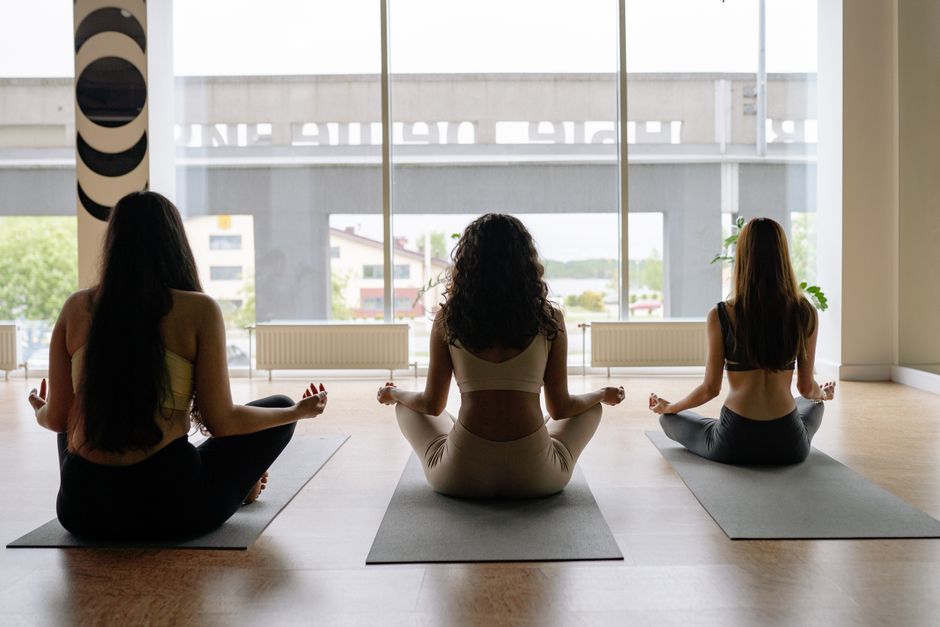
Yin and restorative yoga occupy the slower end. Yin holds passive postures for three to five minutes, targeting connective tissue rather than muscle. Restorative goes further — bolsters, blankets, and blocks support the body in complete passivity. Both are evidence-backed tools for nervous system regulation. A 2024 review in the International Journal of Yoga Therapy found that eight weeks of Yin practice reduced self-reported anxiety scores by 23 percent in a sample of 312 urban adults. For anyone whose cortisol is already high by morning — a fair description of a lot of people working hybrid schedules in central Tel Aviv — Yin is arguably more useful than another high-intensity session.
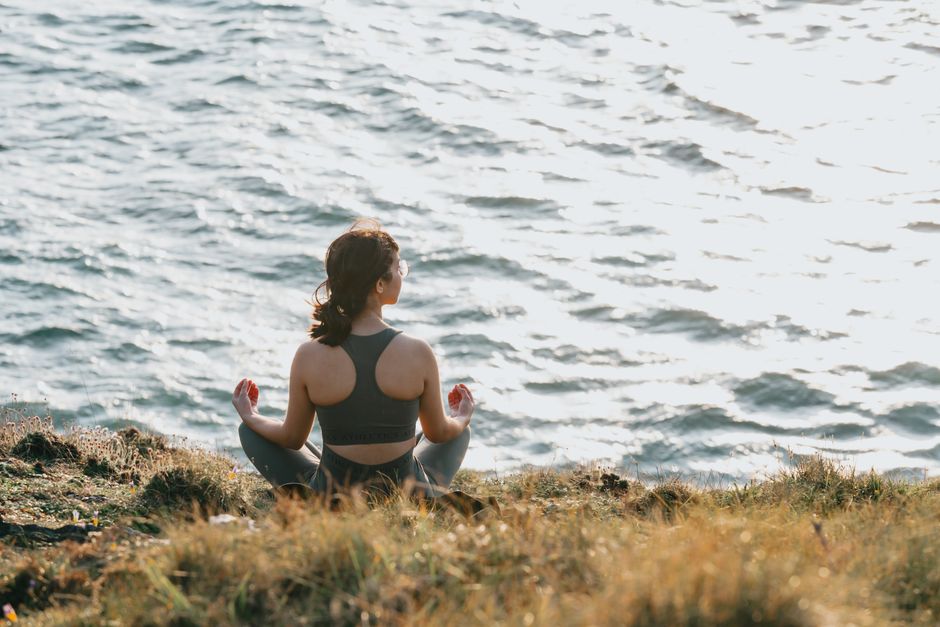
The Yarkon Park area has become an informal outdoor Yin hub on weekend mornings, with several independent teachers running grass-based sessions near the Sportek complex for 60 to 70 NIS. No studio, no air conditioning — just shade and a mat.
The practical advice is blunt: try two different styles before committing to a membership. Most studios in Tel Aviv offer a first-week introductory package — commonly three classes for 150 NIS — precisely because retention drops when people lock in before they know what they enjoy. If you are managing a chronic injury or a hormonal condition affecting energy levels, consult a local physician or physiotherapist before starting any physically demanding format. Your body's baseline matters more than the trend cycle.