Thirty minutes of moderate exercise reduces acute anxiety symptoms by as much as 48 percent, according to a 2023 meta-analysis published in the journal JAMA Psychiatry. That number is striking — and it matters in Tel Aviv, where a 2025 survey by the Israel Anxiety and Stress Research Institute found that 41 percent of residents aged 25–45 reported clinically significant anxiety levels, up from 34 percent in 2022. The pressure of housing costs, geopolitical uncertainty, and a tech-sector culture that rarely switches off has made the city's mental health picture considerably more complicated.
The timing of this conversation is pointed. Hormonal and neurological research published in mid-2026 has forced a broader reckoning with how biochemistry shapes mood — and exercise sits at the centre of that picture. When the body moves, it triggers a cascade of neurochemical changes: cortisol drops, serotonin and dopamine rise, and brain-derived neurotrophic factor — a protein linked to neural resilience — increases measurably after sustained aerobic effort. This is not folklore. It is reproducible physiology, and clinicians at the Sourasky Medical Centre on Weizmann Street have increasingly incorporated structured exercise referrals alongside talk therapy and, where appropriate, medication.
Where Tel Aviv Moves
Tel Aviv makes physical activity unusually accessible. The 14-kilometre promenade running from Charles Clore Park in the north of Jaffa up through Gordon Beach and into the Yarkon estuary is used by an estimated 70,000 people daily, according to Tel Aviv-Yafo Municipality figures from 2025. On any given morning by 7 a.m., the path is dense with runners, cycling commuters, and open-water swimmers preparing to enter the Mediterranean. This is not incidental to the city's mental health culture — it is structural.
Beyond the seafront, the Yarkon Park in the city's north hosts free outdoor fitness equipment across several stations, maintained under the municipality's Active Tel Aviv (Tel Aviv Ha'paila) programme, which has expanded to 23 park locations since its relaunch in 2024. The programme is deliberately low-barrier: no registration, no cost, open from sunrise. For those wanting guided sessions, studios like Barry's on Rothschild Boulevard and the Holmes Place gym on Ibn Gabirol Street offer structured classes where instructors explicitly frame intensity management as a tool for stress, not just fitness. A monthly Holmes Place membership runs between 380 and 520 shekels depending on tier — steep by some standards, but competitive with comparable urban gym pricing in London or Berlin.
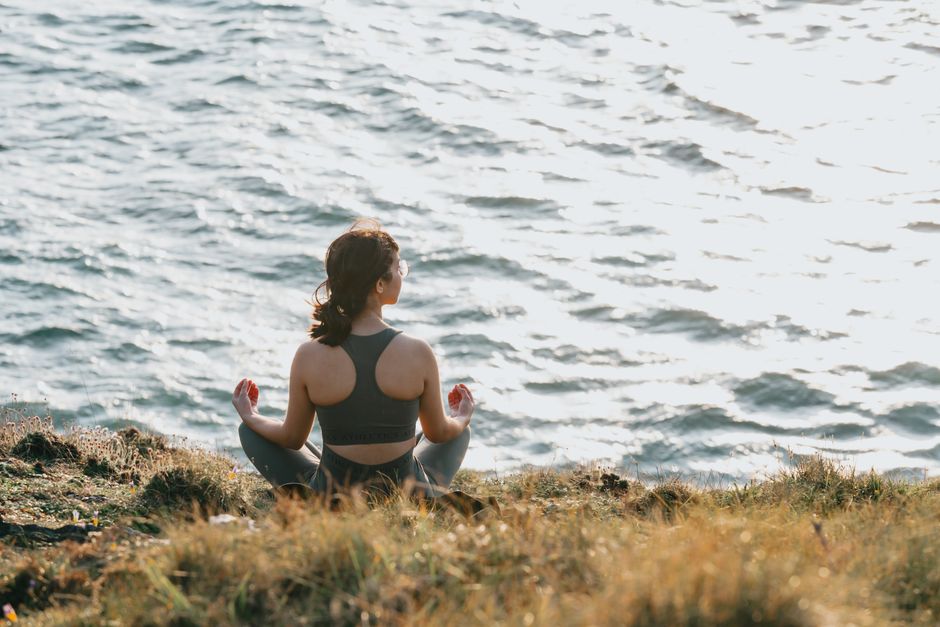
The neighbourhood of Florentin, known more for its nightlife and street art than its wellness culture, has quietly become a hub for low-impact anxiety-focused movement classes. Several independent studios there now offer trauma-sensitive yoga and somatic movement sessions — practices that pair breath regulation with physical activity and show particular promise for anxiety rooted in chronic stress rather than acute episodes.
What the Evidence Actually Says — and What to Do With It
The JAMA Psychiatry meta-analysis examined 97 trials covering more than 10,000 participants. Its clearest finding: frequency matters more than intensity. Three sessions of 30 minutes per week produced significantly better anxiety outcomes than one longer weekly session. Walking qualified. The threshold for benefit is lower than most people assume.
This has practical implications for Tel Aviv residents trying to fit movement into a working week. The No. 5 bus route along Dizengoff Street and the expanding network of Tel-O-Fun hire bikes — 1,800 stations citywide as of January 2026 — mean that cycling to a meeting or walking a longer route home functions as a legitimate part of any exercise strategy. The commute becomes the intervention.
Psychologists at the Tel Aviv Psychological Services Centre on Shaul HaMelech Boulevard recommend combining aerobic activity with mindfulness cues — noticing breath, ground contact, ambient sound — to amplify the anxiolytic effect. The physical and the psychological reinforce each other. Neither is sufficient alone for everyone, and anyone experiencing persistent or severe anxiety symptoms should consult a qualified mental health professional before treating exercise as a substitute for clinical care. But as a first line of everyday defence against the low-grade stress that defines modern urban life, the evidence is unusually consistent. Get outside. The promenade is right there.