Property
Tel Aviv Real Estate Climbs 7% Year-on-Year as Prices Accelerate Across Core Neighbourhoods
Citywide apartment prices continue to rise, with hotspots like Florentin and Ramat Aviv outpacing 2025 levels.
3 min read
Property
Citywide apartment prices continue to rise, with hotspots like Florentin and Ramat Aviv outpacing 2025 levels.
3 min read
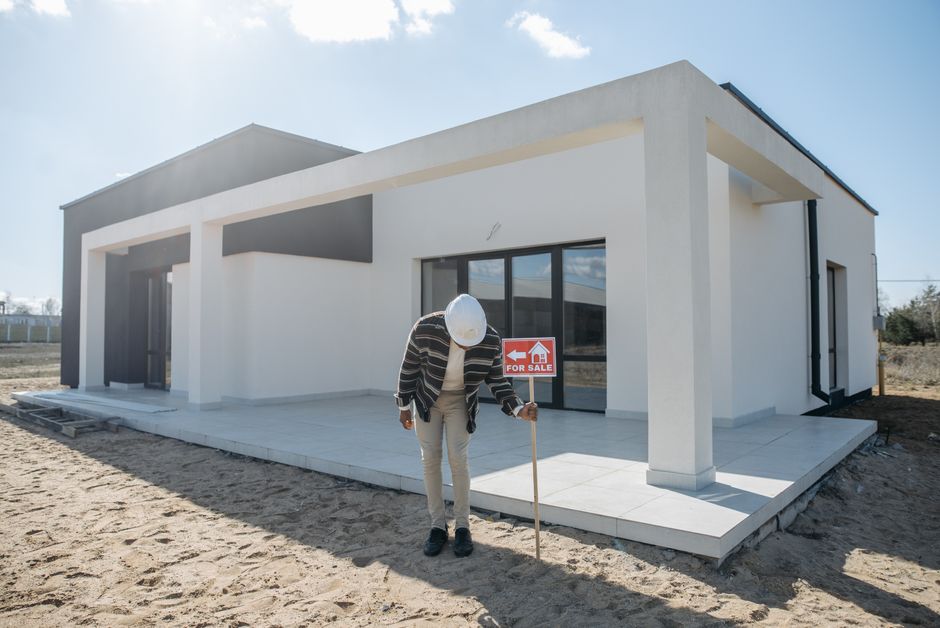
Tel Aviv’s residential property market has closed the second quarter of 2026 with a 7% average price jump compared to the same period last year, according to new figures released this week by the Israel Tax Authority. The data, covering transactions between April and June, shows continued resilience despite wider regional volatility and a string of interest rate hikes.
The steady increase comes at a critical juncture for the city’s real estate sector. Soaring mortgage rates—now hovering around 5.1%—and the new government levy on investment properties haven’t managed to chill demand within Tel Aviv. The ongoing migration from conflict-prone border regions and supply bottlenecks linked to construction slowdowns have helped sustain momentum inside the city even as prices in satellite towns around Gush Dan flattened or dipped.
For buyers and sellers, Tel Aviv remains a safe haven. The city’s developer pipeline is thin, with only five major projects slated to finish in 2026, including the mixed-use Hahashmonaim 88 complex and the much-anticipated North Star on Menachem Begin Road. “Inventory is so much tighter than at any point in the last decade,” said a manager at the local branch of Anglo-Saxon Realty near Dizengoff Center. For young families and tech workers, postponing a purchase until next year might mean paying even more.
Price growth hasn’t been uniform. The largest year-on-year increases were concentrated in neighborhoods already seeing gentrification or urban renewal activity. In Florentin, the average price for a three-bedroom apartment has reached NIS 4.3 million, up 11% versus Q2 2025, driven partly by renovated Bauhaus-era buildings and proximity to Levinsky Market. Ramat Aviv has also accelerated, crossing NIS 6 million for 120-square-meter family-sized units. The area’s draw includes proximity to Tel Aviv University and new bike lanes threaded through Levanon Street.
Conversely, areas like Neve Sha’anan and parts of south Yad Eliyahu saw more modest growth—just 2-3%—as rental yields and municipal infrastructure lag behind the city average. Transactions tracked by Madlan show total volume across Tel Aviv-Yafo dipped 3% quarter-on-quarter, but the price per square meter continued its upward march, averaging NIS 67,500.
Foreign buyers, who once accounted for nearly 9% of Tel Aviv’s condo transactions, have retreated sharply since the beginning of 2025 due to stiffer capital controls from North America and stricter anti-money-laundering enforcement in Israel. This has leveled the playing field for local buyers but hasn’t translated into softening prices.
Market watchers expect prices to keep rising into the fall unless a dramatic surge in new completions or external shocks materialize. Prospective buyers are being urged to budget for not only high up-front prices but also climbing property taxes, especially in council districts like Old North where a re-zoning bill is under Knesset review this summer. For renters, average monthly leases have hit NIS 8,100 for new two-bedroom units in central Tel Aviv, up from NIS 7,500 last July.
For those hoping to buy in 2026, mortgage brokers recommend locking in loan terms sooner rather than later. With the only large pre-sale launches this quarter at Rothschild 109 and the Kerem HaTeimanim regeneration zone, limited choice is a fact of life. Until city hall can greenlight more housing, Tel Aviv’s property market seems set to test new highs—at least through the rest of the year.
Property
Property
Property

Property
About this article
Published by The Daily Tel Aviv
Spread the word
Daily brief
Free, in your inbox before 7am. Weekdays.
The Daily Network — local news across Australia