Property
Tel Aviv Home Prices Jump 7.8% Over Last Year, Lead Nationwide Growth
From Rothschild to Florentin, the city’s property market sprints ahead despite economic headwinds.
3 min read
Property
From Rothschild to Florentin, the city’s property market sprints ahead despite economic headwinds.
3 min read
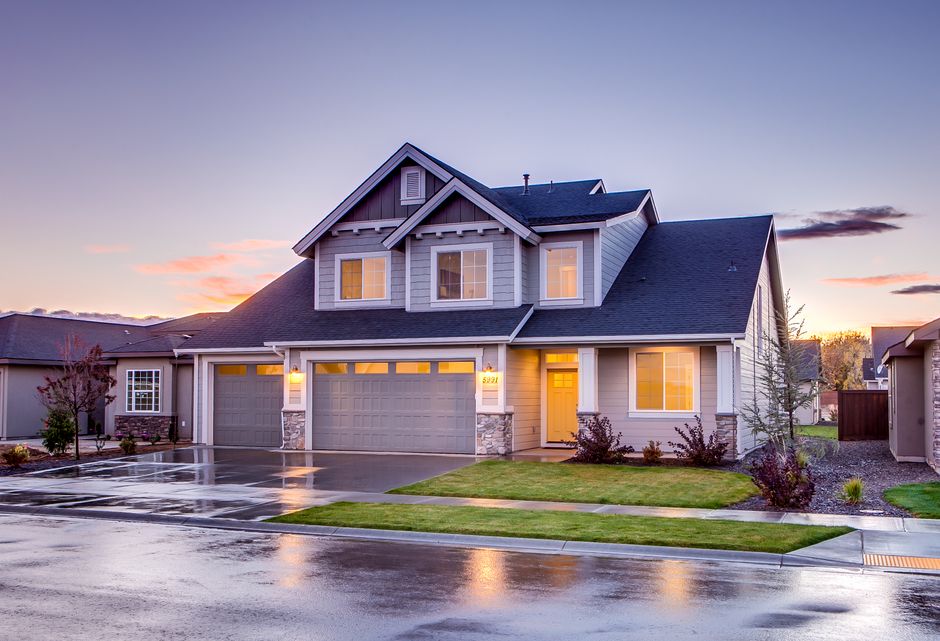
Tel Aviv’s residential real estate market posted a 7.8% price increase in the second quarter compared to the same period in 2025, according to fresh data released Sunday by the Israel Central Bureau of Statistics. The year-on-year jump is the sharpest the city has seen since late 2021 and is outpacing gains in Jerusalem, Haifa, and most of the central region.
The timing of the surge has caught many market watchers off guard. At the start of 2026, many analysts expected a slowdown as inflation and interest rates continued to bite. Instead, buyers have rushed to close on properties across high-demand areas. Local agents cite a combination of persistently strong local demand, a partial return of foreign investors (especially French and American buyers), and renewed confidence after regulatory changes by the Finance Ministry in March. The expansion of the 5% purchase tax ceiling for first-time buyers was widely credited with nudging hundreds of new buyers off the sidelines.
Throughout Tel Aviv, the rally isn’t evenly distributed. New construction in Midtown and Sarona barely keeps up with interest, but legacy districts are seeing some of the steepest jumps. In leafy Neve Tzedek, the average asking price surpassed ₪78,000 per square meter in June, up from ₪71,600 twelve months ago, figures compiled by Madlan show. On the grittier edges of Florentin, a wave of boutique renovations and creative coworking projects—like The Spot on HaMezach Street—has driven up single-bedroom rents and sales by double digits. Even the older towers lining Dizengoff and the new builds on Eliezer Kaplan Street report brisk activity.
Digging into the statistics, the Tel Aviv Metropolitan Area now has an average transaction price of ₪3.38 million—compared to ₪3.13 million in Q2 2025. The Central Bureau’s quarterly survey shows 1,650 apartment sales registered within city limits April through June. That’s up 11% year-on-year, reflecting both catch-up demand from last autumn’s slowdown and an uptick in high-value purchases. By contrast, Haifa’s volume climbed 4.2%, and Jerusalem posted 5.1% growth in the same interval.
Those hoping for relief soon may be kept waiting. Says Nir Ketyan, head of research at the local agency Nadlan Plus (speaking at an industry panel last week), there is no significant uptick in new listings yet, particularly in core areas south of Kikar Hamedina and along Ibn Gabirol Street. New government incentives for urban renewal, launched by the Tel Aviv-Jaffa Municipality in May, may eventually increase supply but will take at least a year to hit the market.
For buyers looking to get in, the practical advice from most agents hasn’t changed: move quickly on apartments within walking distance to light rail lines, and don’t expect heavy discounts—even on fixer-uppers. The city’s property train, for now at least, is still running full steam ahead into the summer.
Property
Property

Property
Property
About this article
Published by The Daily Tel Aviv
Spread the word
Daily brief
Free, in your inbox before 7am. Weekdays.
The Daily Network — local news across Australia