TEL AVIV – For years, property investors hunting for the “next Florentin” have scoured the map of south Tel Aviv. Now, they seem to have found it. The quiet, historically working-class neighbourhood of Shapira is quietly becoming the city’s hottest real estate market, with apartment prices and development activity far outpacing the rest of the city.
The shift marks a significant turn for a pocket of the city long overlooked in favour of its edgier neighbours. As prices in established areas like Neve Tzedek and even the now-gentrified Florentin have soared beyond the reach of most buyers, a wave of capital, young families, and developers has washed south of the old Central Bus Station. The recent completion of several key stations on the Light Rail’s Red Line, particularly the nearby Salame and Elifelet stops, has slashed commute times and put the neighbourhood firmly on the map for professionals working in the city center.
From Neglected Streets to Boutique Builds
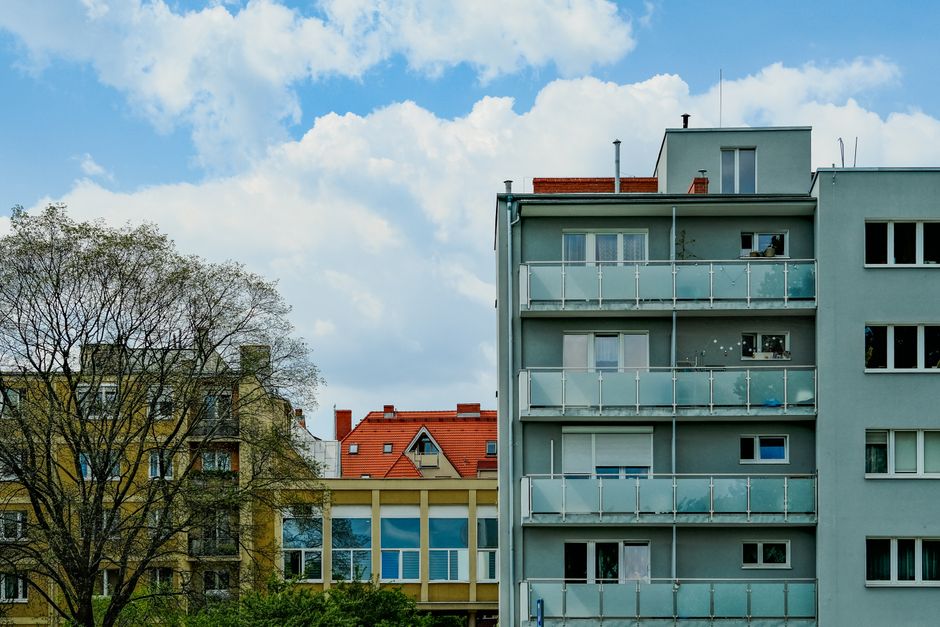
The transformation is most visible on the ground. On once-neglected streets like Yisra'el MiSalant and Mesilat Yesharim, new five- and six-story boutique apartment buildings are rising next to weathered, single-story homes. These projects are replacing small workshops and dilapidated structures, fundamentally changing the streetscape. The Tel Aviv-Yafo Municipality's support for urban renewal projects under the Tama 38 program has accelerated this trend, allowing developers to add floors and modernise older buildings in exchange for structural reinforcement. This activity is clustered around the neighbourhood’s green lung, Park Hahurshot, which has itself undergone significant upgrades in recent years, making the area more attractive to young families.
The numbers back up the anecdotal evidence. According to data scraped from the Israel Tax Authority’s public records, the average price for a renovated three-room (two-bedroom) apartment in Shapira has jumped nearly 20% since mid-2024, climbing from an average of 3.1 million shekels to over 3.7 million. In contrast, the city-wide average price increase was closer to 12% in the same period. Bids on new construction are even higher, with some off-plan units on Har Zion Boulevard now being marketed for over 45,000 shekels per square meter, a price point that was unthinkable in the neighbourhood just three years ago.
The Double-Edged Sword of Development
For investors, the opportunity is clear: buy into a neighbourhood with strong growth indicators and improving infrastructure before it reaches the price saturation seen elsewhere. The planned Green Line of the Light Rail, which will have a stop even closer to the neighbourhood's core, promises to further boost connectivity and, presumably, property values. The municipality's overarching 'Plan 5000', which aims for significant densification across the city's south, signals a long-term commitment to the area's growth.
However, this rapid change comes with challenges. Long-term residents, many of whom have lived in Shapira for generations, are facing rising rents and the potential displacement that gentrification brings. The neighbourhood's unique character—a diverse, artistic, and community-focused enclave—is at risk of being diluted by homogenous new developments. The next phase of Shapira’s evolution will depend on whether the city can manage this influx of investment without erasing the very qualities that finally brought it into the spotlight.