Property
Council Planning Changes to Impact Density and Design in Tel Aviv
New regulations aim to balance growth with resident concerns in the city's dynamic real estate market
2 min read
Property
New regulations aim to balance growth with resident concerns in the city's dynamic real estate market
2 min read
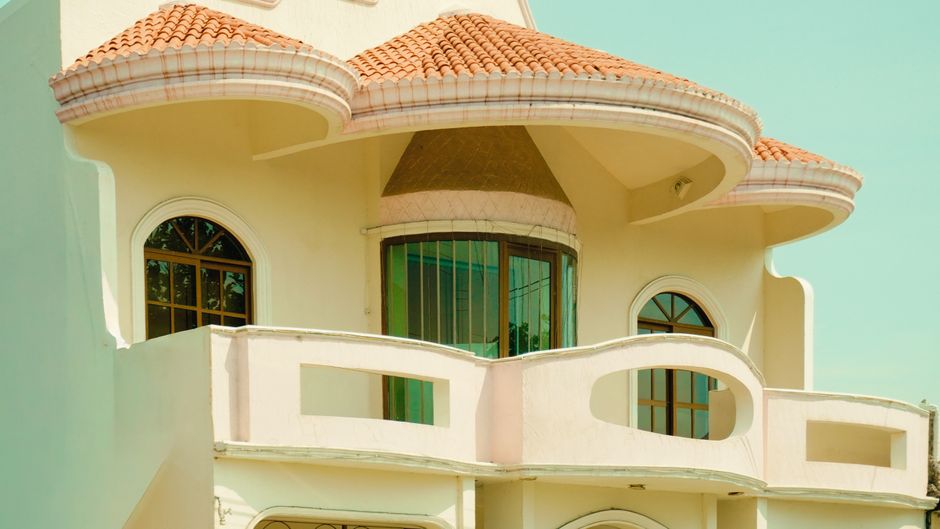
Tel Aviv's city council has approved a series of planning changes that will increase density and alter design requirements in several neighbourhoods, including the trendy Florentin and upscale Herzliya Pituach areas.
These changes matter now because Tel Aviv is experiencing a surge in demand for housing, driven by its thriving tech industry and desirable lifestyle. The city's population is projected to grow by 15% over the next five years, putting pressure on existing infrastructure and housing stock. As a result, the council is seeking to balance the need for more housing with concerns from residents about overcrowding, traffic, and preserving the character of their neighbourhoods.
In specific, the new regulations will affect development along major thoroughfares like Rothschild Boulevard and Ibn Gabirol Street, where taller buildings and mixed-use projects will be encouraged. The Tel Aviv-Yafo Municipality is also investing in revitalizing public spaces, such as the renovation of the historic Great Synagogue on Allenby Street and the expansion of the Tel Aviv Museum of Art in the heart of the city. Organisations like the Tel Aviv Developers Association and the Israeli Association of Architects are working closely with the council to ensure that the changes benefit both residents and developers.
According to data from the Tel Aviv-Yafo Municipality, the average price per square meter of residential property in the city has risen by 22% over the past two years, reaching a record high of ₪65,000 per square meter. Meanwhile, a recent survey by the Israeli Central Bureau of Statistics found that 62% of Tel Aviv residents consider housing affordability to be a major concern. The new planning changes aim to address this issue by increasing the supply of housing units, with a target of 10,000 new units to be built over the next three years, including 2,000 units in the up-and-coming Neve Tzedek neighbourhood.
As the planning changes take effect, residents and developers can expect a more streamlined approval process for new projects, with a focus on sustainable design and community engagement. The council has established a new department dedicated to supporting developers and residents through the planning process, with offices located in the municipal building on Rabin Square. With these changes, Tel Aviv is poised to continue its growth as a vibrant and dynamic city, while prioritizing the needs and concerns of its residents.
Property

Property

Property

Property
About this article
Published by The Daily Tel Aviv
Spread the word
Daily brief
Free, in your inbox before 7am. Weekdays.
The Daily Network — local news across Australia