Property
Is Renting Actually Cheaper Than Buying Right Now in Tel Aviv?
Rents are at historic highs, but buyers face even harsher maths as interest rates and property prices squeeze would-be homeowners.
3 min read
Updated 9 h ago
Property
Rents are at historic highs, but buyers face even harsher maths as interest rates and property prices squeeze would-be homeowners.
3 min read
Updated 9 h ago
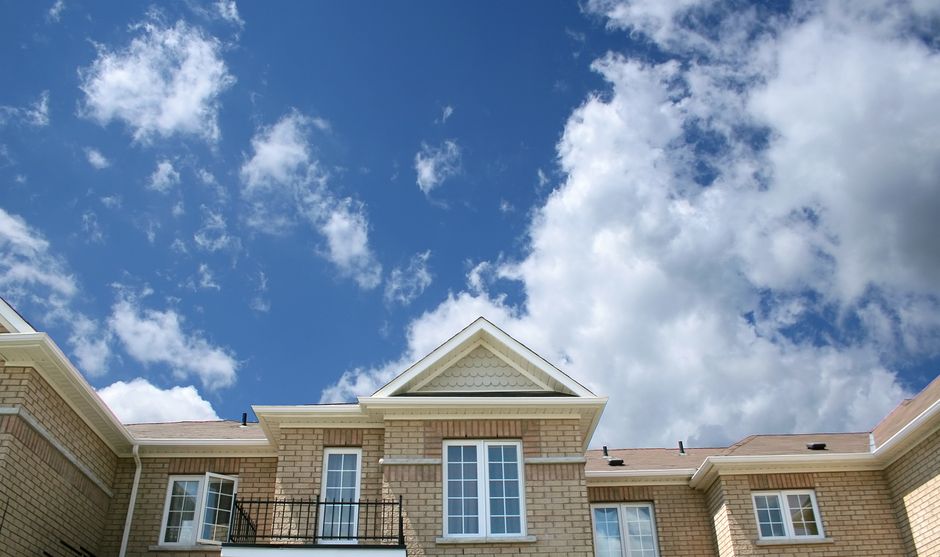
The latest data from the Israel Land Authority paints a stark picture: for the average Tel Aviv resident, renting is now significantly cheaper per month than buying an apartment — even as rents hit record highs along Dizengoff Street, Jaffa, and the bustling floormarket of Florentin.
This affordability gap has sharpened sharply over the past year. Double-digit inflation, surging mortgage rates from Bank Leumi and Mizrahi Tefahot, and a shrinking supply of new apartments have collided. The city’s population continues to swell, fed in part by migration from Ukraine and Russia during ongoing regional conflicts, putting further pressure on both the rental and sales market.
Neighbourhoods like Neve Tzedek and Sarona are feeling the pinch. Property managers at local agencies such as Anglo-Saxon and RE/MAX Tel Aviv report bidding wars for mid-sized apartments, particularly around Rothschild Boulevard and Allenby Street. Despite the spike in rental prices — currently averaging 8,200 shekels a month for a modest two-bedroom unit in central locations — the gap between buying and renting has widened rather than narrowed.
According to a June 2026 market survey by Madlan, a buyer in Tel Aviv now faces a median price of 3.8 million shekels for a 3-room apartment, up 6% since last summer. With current variable-rate mortgages hovering at 5.2%, total monthly repayments for a typical 75% mortgage loan jump to about 15,000 shekels per month, plus rates, taxes, and maintenance fees. By contrast, renters in the same neighbourhoods—even with hefty agency fees and annual increases—are still able to secure comparable flats for nearly half that monthly cost.
City officials at the Tel Aviv-Yafo Municipality point to long waiting lists for affordable housing schemes like the Diur Mugan project. Recent attempts to expand rent controls and incentives for long-term leasing have failed to make a dent in sharply rising demand.
Looking forward, the consensus among several large estate agencies is that renting will remain the more affordable option for most Tel Avivians at least through the first quarter of 2027, barring a drastic shift in interest rates or major government intervention. Buyers hoping for price drops may find themselves waiting longer than expected, especially as inflationary pressures persist and construction starts lag behind official targets.
Financial advisers generally recommend those without significant savings or family assistance to rent and keep cash reserves flexible. For upper-tier earners or families hoping to settle long term, the ownership premium is hard to justify under current rates, unless significant equity or discount opportunities emerge — such as a distressed sale on Sheinkin Street or through a government lottery like Mechir le Mishtaken.
In Tel Aviv’s hot real estate summer, that means one thing for most residents: for now, the keys to a rented flat may be the smarter — and certainly cheaper — choice.
Property
Property

Property

Property
About this article
Published by The Daily Tel Aviv
Spread the word
Daily brief
Free, in your inbox before 7am. Weekdays.
The Daily Network — local news across Australia