Property
How Much Rent Is Too Much? The 30% Rule in Practice
With Tel Aviv rents still soaring, the traditional affordability threshold is under strain for many residents.
3 min read
Updated 46 min ago
Property
With Tel Aviv rents still soaring, the traditional affordability threshold is under strain for many residents.
3 min read
Updated 46 min ago
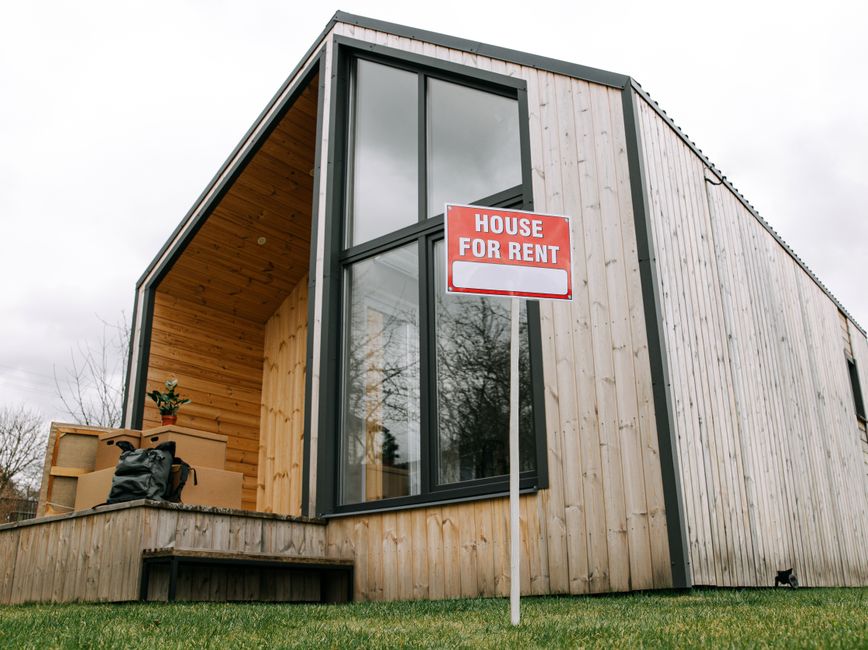
On Rothschild Boulevard, a renovated two-bedroom apartment fetched a monthly rent of NIS 11,000 this June—roughly 40% above what most Tel Aviv households can comfortably afford, according to new data released by the Central Bureau of Statistics.
The spike challenges a long-standing rule of thumb: that tenants should spend no more than 30% of their net income on housing. With average monthly salaries in Tel Aviv at NIS 13,400, many renters find themselves forced well past that threshold. The city’s surging rental market—already among the highest in Israel—has made affordability a central issue for young professionals, students, and even dual-income families in central neighbourhoods.
The 30% rule comes from longstanding financial advice, designed to help individuals and families avoid becoming overstretched. It’s echoed in policy recommendations from groups like Lettel—Tel Aviv’s local tenants’ union—which warns that exceeding this limit can leave households vulnerable to sudden shocks, such as illness, job loss, or major repairs.
But a quick survey along Ibn Gvirol Street or in the bustling Florentin district finds a different reality. According to listings tracked by local real estate agency Nadlan Aviv, the median asking rent for a one-bedroom flat north of Dizengoff Center has now climbed to NIS 8,500 per month. For a single person earning the city’s average salary, that’s 63% of monthly take-home pay before even covering groceries or public transport. Nadlan Aviv’s brokers note that younger tech workers can sometimes manage, but many other tenants are turning to roommates or smaller spaces far from the city core, in places like Shapira or Ramat Gan.
Latest figures from Madlan, Israel’s leading real estate data company, show Tel Aviv rents have risen 14% year-on-year as of May 2026. Citywide, average monthly rent for a two-bedroom stands at NIS 10,200, with the highest premiums found near Sarona Market and the shoreline. In an analysis by The Tel Aviv Urban Forum last month, more than half of renters questioned said they spend over 35% of income on housing. A policy paper from Tel Aviv Municipality’s Housing Innovation Lab flagged similar numbers, warning that a sustained mismatch between rents and incomes could drive out students and essential workers.
Buying is also a hurdle: the entry-level price for a modest 65 square meter apartment south of Allenby is about NIS 3.1 million. With rising mortgage rates—now averaging 5.4%—it’s little surprise most renters are locked out of the market and staying tenants for longer than ever.
Housing experts urge renters to scrutinise budgets before signing new leases, especially near central hubs like Kikar Rabin. Tel Aviv University’s Urban Policy Center recommends negotiating lease terms and exploring municipal aid programs. The city maintains a short-term rent subsidy for young adults and artists living in Ajami or Hatikva, but the program’s funding is limited and demand outstrips supply.
For now, tenants watching the numbers tick upward each month face tough decisions: settle for a longer commute, downsize, or team up with housemates in less expensive neighbourhoods. As the city heads into another sweltering summer, the question remains an urgent one for thousands: how much rent is too much? Across Tel Aviv, more and more residents are discovering the answer is simply, a number they can’t afford to ignore.
Property

Property

Property

Property
About this article
Published by The Daily Tel Aviv
Spread the word
Daily brief
Free, in your inbox before 7am. Weekdays.
The Daily Network — local news across Australia