Property
Proposed Rezoning in Neve Sharet Could Redefine Tel Aviv’s Northern Edge
Plan unveiled by city hall would allow towers and mixed-use blocks near Bavli, sparking debate over housing and congestion.
3 min read
Property
Plan unveiled by city hall would allow towers and mixed-use blocks near Bavli, sparking debate over housing and congestion.
3 min read
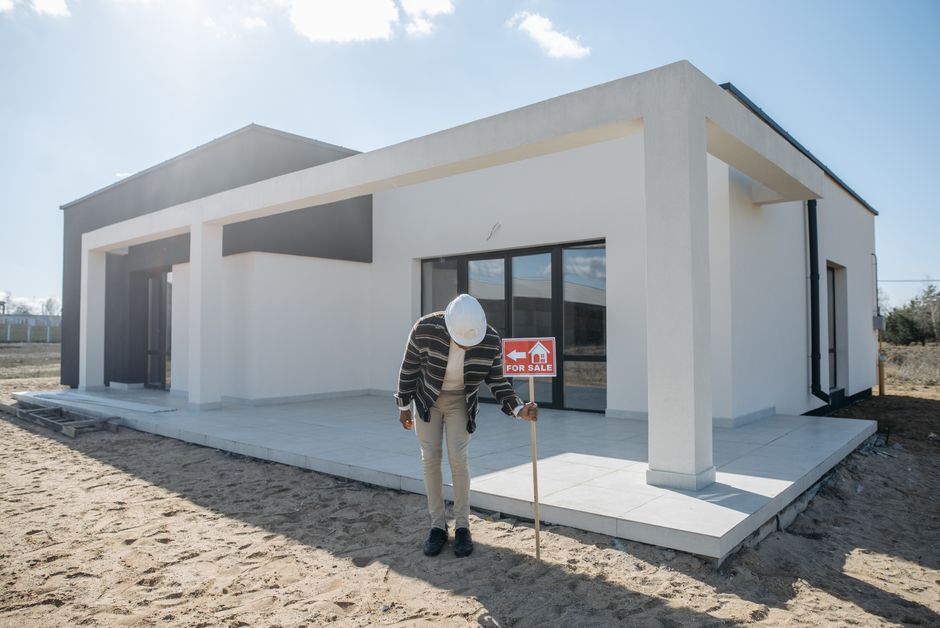
Tel Aviv’s urban planning committee on Wednesday advanced a sweeping rezoning proposal for Neve Sharet, setting the stage for high-rise residential towers and a cluster of mixed-use developments just west of the Ayalon Highway. The move, if ratified, would mark the suburb’s most dramatic physical transformation since its establishment in the 1950s.
With investor demand surging and available land shrinking citywide, the Neve Sharet plan stands out as a test case for Tel Aviv’s approach to balancing growth with liveability. City planning veterans say sharp price spikes in central areas and pressure to deliver affordable homes have left decision-makers with little choice but to reevaluate outdated zoning. The current proposal could add nearly 2,500 new units to the area over ten years, with a requirement that at least 20% be priced below prevailing market rates.
Neve Sharet, sometimes overshadowed by neighbouring Bavli and bustling Ramat Aviv Gimmel, has long been a mix of older low-rise blocks and sleepy side streets. The rezoning would redraw regulations along Moshe Sneh Street and the area south of the Tel Hadar shopping strip, permitting towers of up to 30 floors. City Hall’s plan also earmarks space for two new preschools and an expansion of the Matnas Neve Sharet community centre – a bid to answer residents’ calls for more services as density grows.
"When I moved in ten years ago, we had few shops, no bike lanes and almost no young families," said Devorah, a local resident who asked not to be fully named to maintain privacy. The transformation is already apparent nearby: new cafes and a weekend market have popped up along Pinchas Rosen Street, drawing a younger crowd. The looming question, according to urbanists and parents, is whether basic infrastructure—particularly public transit links to spots like Savidor Center station—can keep pace with the influx.
The rezoning shift comes as Tel Aviv apartment prices have surged to an average of NIS 4.3 million, with city statistics showing an 17% rise since 2021. The Tel Aviv Municipality’s own forecasts predict another 70,000 residents arriving over the next decade, making infill and upward growth all but inevitable. Yet infrastructure has lagged: the No. 33 and 89 bus routes, which serve Neve Sharet, regularly skip stops due to overcrowding, and the long-awaited expansion of Tel Aviv Light Rail is still at least four years out.
Developers eyeing the area include Shikun & Binui and Azorim, both of whom have acquired smallholdings south of Moshe Sneh. But municipal officials insist new building permits will be subject to strict green-building codes as of January 2027. "We cannot simply drop towers in without parks, bike paths and functioning transit," said a senior City Hall source involved in the project. Under the latest draft, developers must fund 800 square metres of new green space per block, and a minimum of 500 underground parking places are required for the first three towers.
The rezoning plan must now pass a six-week public comment period, with local council hearings scheduled at the Matnas Neve Sharet on July 16 and August 2. Residents can review full planning maps at City Hall’s website or visit the district planning office on Arlozorov Street. City officials say a final vote could come as early as September—meaning dramatic changes could begin taking shape along Tel Aviv’s northern edge well before the end of 2027.
Property

Property

Property
Property
About this article
Published by The Daily Tel Aviv
Spread the word
Daily brief
Free, in your inbox before 7am. Weekdays.
The Daily Network — local news across Australia