Property
Neve Tzedek: Tel Aviv's Blue-Chip Quarter Where Value Still Hides in Plain Sight
While central Tel Aviv prices plateaued in early 2026, the city's oldest neighbourhood is drawing serious investors who know where to look.
4 min read
Property
While central Tel Aviv prices plateaued in early 2026, the city's oldest neighbourhood is drawing serious investors who know where to look.
4 min read
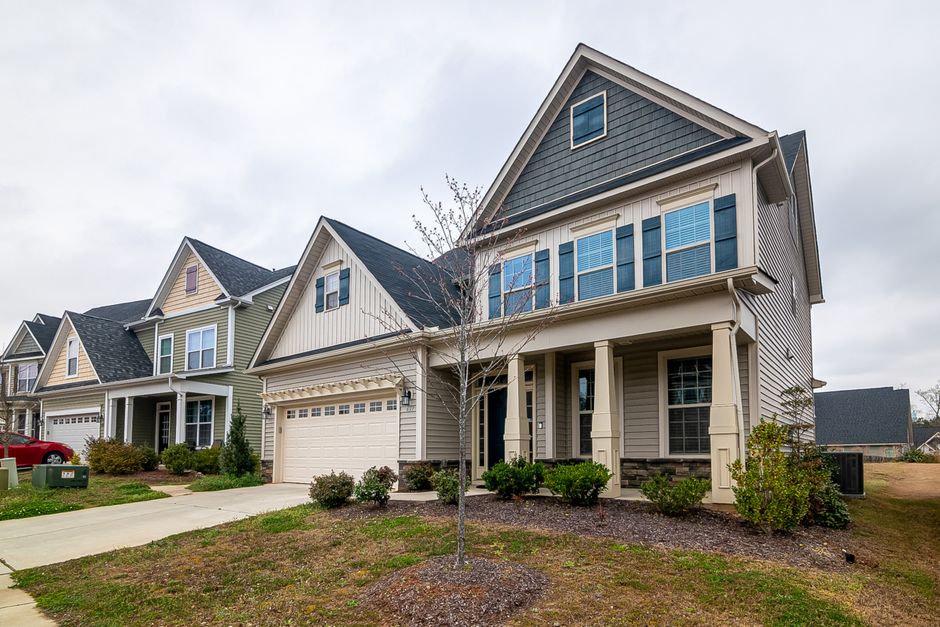
Apartment prices in Neve Tzedek climbed 6.2 percent in the twelve months to June 2026, outpacing the broader Tel Aviv municipal average of 3.8 percent — yet the neighbourhood still trades at a significant discount to the glass towers of the Sarona district two kilometres north. For buyers who missed the Florentin wave of 2022 and 2023, this is the number that matters.
The timing is not accidental. With Iran's political transition dominating regional news and geopolitical uncertainty still weighing on sentiment, Israeli investors are rotating out of equities and back into bricks. Real estate agents along Shabazi Street — Neve Tzedek's main commercial artery — report that enquiry volumes in the second quarter of 2026 were the highest since before the October 2023 war. Buyers want hard assets, and they want them in locations with a proven rent base.
The average asking price for a renovated two-bedroom apartment in Neve Tzedek currently sits at approximately 4.9 million shekels, according to figures compiled by the Israel Land Authority's quarterly index published in May 2026. That compares with 6.7 million shekels for a comparable unit in the nearby Rothschild Boulevard corridor. The gap has narrowed over three years but has not closed — which is precisely the argument for buying now rather than waiting.
Gross rental yields in the neighbourhood average between 2.8 and 3.4 percent annually, modest by global standards but competitive for a Tel Aviv address of this calibre. The Suzanne Dellal Centre for Dance and Theatre anchors the cultural life of the quarter and functions as the kind of long-term demand driver that institutional buyers look for: it draws foot traffic year-round and has underpinned the café and boutique retail strip on Rokach Street that makes the neighbourhood genuinely liveable, not just investable. Short-term rental platforms also remain active here, with Neve Tzedek units commanding nightly rates of between 600 and 950 shekels during the peak summer season.
Supply is structurally constrained. The neighbourhood's UNESCO-adjacent heritage classification under the Tel Aviv White City listing means demolition and large-scale development are tightly controlled by the Tel Aviv-Yafo Municipality's local planning committee. Fewer than 40 new residential units received building permits in the area during all of 2025. That scarcity premium is now baked into every transaction.
Not all of Neve Tzedek is equally priced. The streets closest to the Jaffa boundary — particularly the western end of Pines Street and the blocks flanking Lilienblum — still offer entry points 10 to 15 percent below the neighbourhood's headline average. These pockets benefit from the same heritage protections and transport links, including the light rail's planned extension to the beachfront by late 2027, but they lack the premium postcode cachet of the Shabazi–Chelouche axis. That gap is where patient buyers are currently working.
Property lawyers at firms operating out of the Azrieli Towers have noted a rise in off-market transactions in the first half of 2026, with sellers preferring discreet sales over public listings to avoid drawing attention during what remains a cautious geopolitical moment. For buyers, that means building relationships with local brokers rather than relying on portal listings alone.
The practical advice from veteran Tel Aviv property professionals is consistent: Neve Tzedek rewards the buyer who moves before the light rail extension is priced in. The last comparable infrastructure event — the opening of the Red Line's initial segment in 2023 — added an estimated 8 to 12 percent to values within a 600-metre radius of affected stations within eighteen months of inauguration. The western end of Neve Tzedek sits inside that radius for the planned beachfront stop. Anyone still debating in mid-2027 will be debating at higher prices.
Property

Property

Property
Property
About this article
Published by The Daily Tel Aviv
Spread the word
Daily brief
Free, in your inbox before 7am. Weekdays.
The Daily Network — local news across Australia