Property
House vs Unit Price Divergence Splits Tel Aviv’s Property Market
Detached homes on city fringes soar while central units lag, placing fresh pressure on buyers and renters alike.
3 min read
Updated 59 min ago
Property
Detached homes on city fringes soar while central units lag, placing fresh pressure on buyers and renters alike.
3 min read
Updated 59 min ago
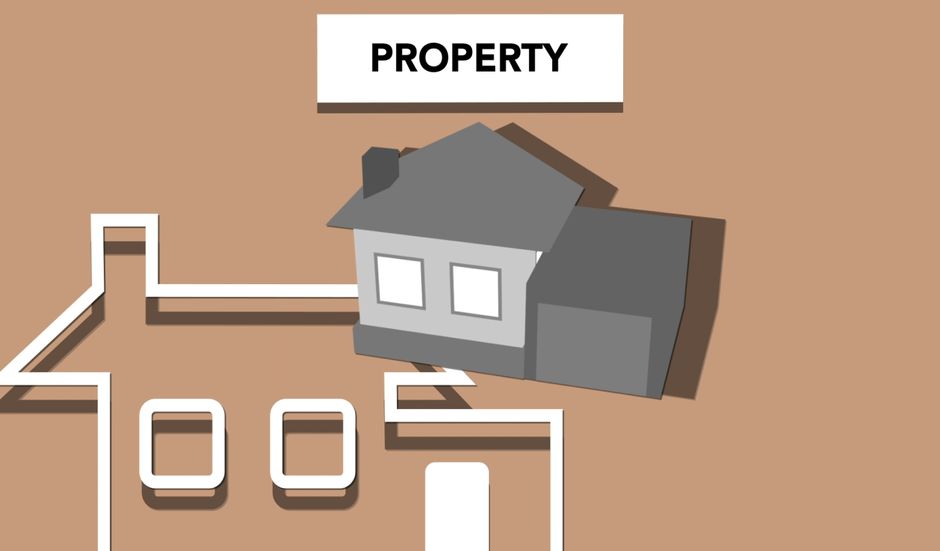
House prices in Tel Aviv have surged more than double the rate of unit prices over the past twelve months, deepening a divide that is reshaping property fortunes from Neve Tzedek to Bavli.
This widening gap comes at a pivotal moment for residents and investors. With interest rate jitters and a sharp rise in local demand for family-sized accommodation, the distinction between detached homes and apartments is becoming more consequential for buyers weighing their next move.
On leafy Shlomo Ibn Gabirol Street, single-family homes are fetching unprecedented offers. Property records from the Tel Aviv City Land Registry show a restored 1920s villa on the edge of Yehuda HaLevi traded for ₪17.5 million last month—a 14% increase on its 2024 price. By contrast, recent sales in the Park Tzameret high-rise complex have edged up just 4% year-on-year, with three-bedroom unit transactions averaging around ₪6.2 million according to data from Anglo-Saxon Real Estate.
The divergence isn’t isolated to the high-net-worth belts. Across Kiryat Shalom and HaTikva, where townhouses outnumber towers, prices have jumped between 9% and 13% since last July, agents say. New construction on Ibn Gabriol and along Jaffa Road has not stemmed the demand for private outdoor space—a feature in short supply in the city’s vertical housing stock.
According to the Central Bureau of Statistics, Tel Aviv’s standalone home values rose 11.9% across the 2025-2026 financial year, compared to 5% growth for units. As of June, the median asking price for a four-bedroom house with outdoor access stood at ₪8.7 million in southern neighborhoods like Florentin, and upwards of ₪13 million in the city north. By contrast, unit prices in the same districts hovered between ₪4.4 million and ₪5.8 million. The supply of detached homes hit a 15-year low this quarter, with just 176 listings citywide as of July 1st.
Developers say this fuels a two-speed market. "There’s now extraordinary competition for anything with a yard or a rooftop terrace," said a senior executive at Israel Canada (the company, not the country). Apartment sellers are increasingly forced to discount or throw in incentives—such as covered parking or a year’s maintenance fee—to close deals at all.
With demand for space unlikely to abate, prospective buyers are advised to adjust expectations—and check zoning maps closely. The municipality’s new 2026-2032 housing plan, currently under review at City Hall on Ibn Gabirol, is expected to relax conversion rules for certain duplexes and low-rise blocks, potentially bringing more family-friendly options online within three years.
For now, agents recommend acting early and considering emerging neighborhoods such as Giv'at HaMivtar or the southern edge of HaYarkon Park, where townhouse prices have not yet matched the citywide spike. Renters, meanwhile, should brace for further increases, with the average detached home rent climbing above ₪18,500 per month—the highest on record for Tel Aviv, according to Madlan.
The lesson for both camps: In 2026’s Tel Aviv, it’s not just what you own but where and how you live that’s driving the biggest shakeup in property fortunes in a decade.
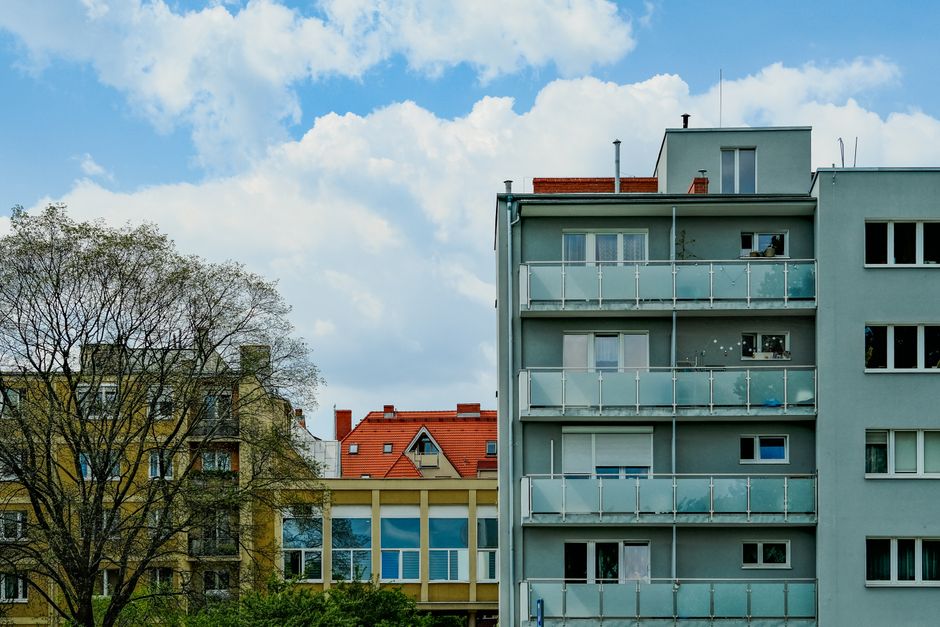
Property

Property

Property
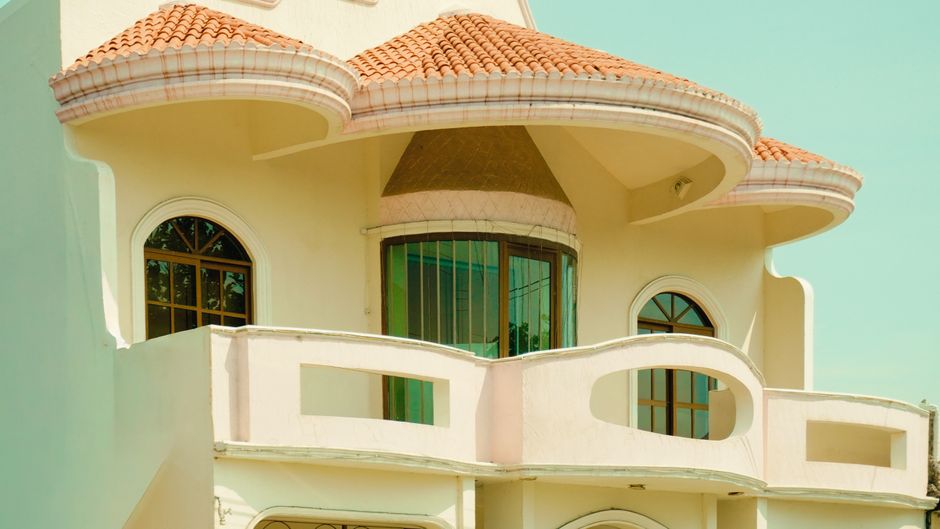
Property
About this article
Published by The Daily Tel Aviv
Spread the word
Daily brief
Free, in your inbox before 7am. Weekdays.
The Daily Network — local news across Australia