Property
Interest Rate Jitters Reshape Tel Aviv's Property Market
Buyers are holding back and sellers are trimming prices as expectations for rate cuts shift in Israel's ever-volatile real estate scene.
3 min read
Property
Buyers are holding back and sellers are trimming prices as expectations for rate cuts shift in Israel's ever-volatile real estate scene.
3 min read
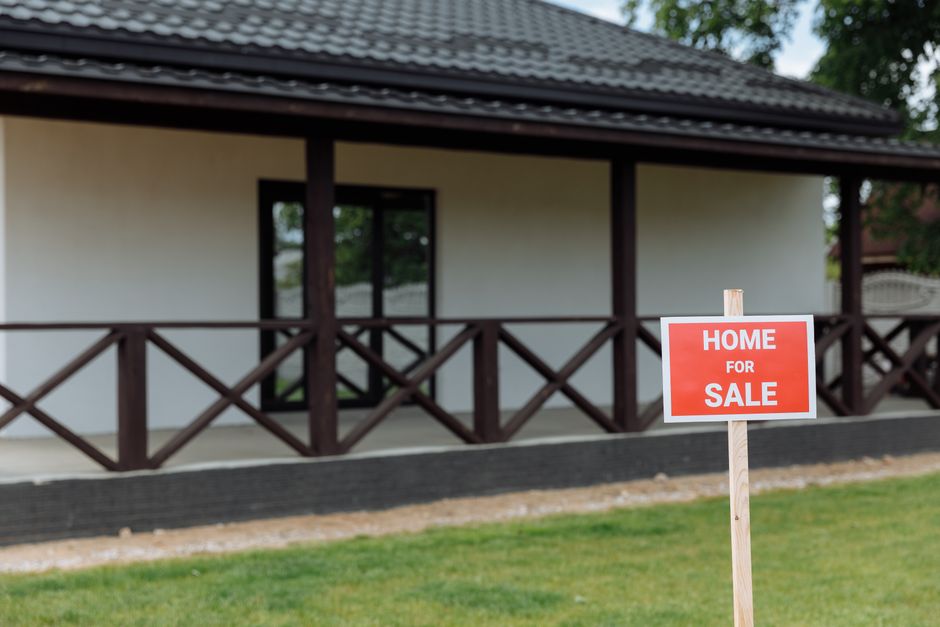
Homebuyers in Tel Aviv are reconsidering their next move as shifting expectations around interest rate cuts push more would-be purchasers to wait on the sidelines, causing subtle but significant ripples across the market this summer.
The anticipation that the Bank of Israel would usher in further cuts by late 2026—after May’s surprise hold at 3.75%—has left both buyers and sellers second-guessing how to price or bid for properties. As borrowing costs remain higher than many predicted just months ago, the red-hot Tel Aviv real estate engine is losing a little of its signature sizzle.
On Rothschild Boulevard, one realtor with a long list of sellers says open house numbers are down nearly 30% since April. "Everyone wants to see what happens in September," says Amir Sabag, sales manager at Anglo-Saxon’s central branch overlooking Habima Square. Meanwhile, smaller investors in Florentin—recently a favourite for 1st-time homeowners thanks to the city’s Affordable Home Lottery scheme—are also holding back, banking on lower rates in the coming quarters to improve their leverage.
Buyers at the mid- to upper-end of the market have been particularly sensitive. At the Red House complex on Yavne Street, at least three units have been pulled off the market temporarily, according to listings data and market trackers at Madlan. "It's not panic," says a mortgage advisor from Discount Bank, "but definitely hesitation."
Data from the Israel Central Bureau of Statistics shows the average Tel Aviv apartment price dipped to ₪2.52 million in June, off roughly 3% from its January peak. The number of actual transactions completed in June dropped to 820, compared to almost 1,000 a year ago. Mortgage inquiries are also down sharply, with the Association of Mortgage Advisors reporting application numbers fell by 18% in Q2.
Some sellers are responding by lowering prices or offering incentives on amenities fees. Buildings near the Carmel Market are seeing more willingness to negotiate, especially on newly-renovated two-bedroom units. "Last summer buyers rushed, expecting endless price jumps," explains Ayelet Barak, a Holon-based mortgage broker. "Now they’re calculating whether waiting could save them an extra 0.5% on their loan next year."
Developers watching pre-sale campaigns—like Electra's ongoing project on Ibn Gvirol—are quietly adjusting launch dates or sweetening deal terms, betting that pent-up demand will return fast if rates start indeed dropping in late 2026 or early 2027.
Industry figures say the coming Bank of Israel policy meetings are critical. If rate cuts materialise in the autumn, a brief surge in purchases is widely expected— at least for buyers who have the necessary down payments ready and don’t want to risk a price rebound. In the meantime, renters in hotspots like Neve Tzedek and Sarona are likely to see fewer properties diverted for purchase, offering more stability in the city’s volatile leasing market.
Practical advice from agents in Tel Aviv is consistent: watch the central bank, line up your mortgage approvals, but keep your options open. With everyone watching the same economic signposts, quick moves—and quick pivots—will define who gets the best deals in the back half of 2026.
Property

Property

Property
Property
About this article
Published by The Daily Tel Aviv
Spread the word
Daily brief
Free, in your inbox before 7am. Weekdays.
The Daily Network — local news across Australia