Tel Aviv's first purpose-built, institutionally managed rental tower is now leasing units in the Florentin neighbourhood, and the project is forcing a long-overdue conversation about whether renting — not buying — is finally becoming a viable long-term strategy in one of the world's most expensive housing markets.
The timing matters. Average apartment prices in Tel Aviv crossed 4.2 million shekels in the first quarter of 2026, according to data published by the Israel Central Bureau of Statistics in May. For a household earning the median Tel Aviv dual income of roughly 28,000 shekels a month, that price tag requires a down payment most families cannot assemble without parental transfers or inheritance. The mortgage arithmetic has simply broken down for tens of thousands of would-be buyers, and developers know it.
Build-to-rent, known in Israeli planning circles as shchunat shechor or BTR, has been a formal government designation since the Housing Ministry's 2023 Rental Incentive Framework came into force. Under that framework, developers who commit to holding a building in the rental market for at least 20 years receive expedited planning approvals and reduced municipal levies. It took three years for the first wave of projects to move from permit to keys-in-hand. That wave is now arriving.
What Tenants Actually Get
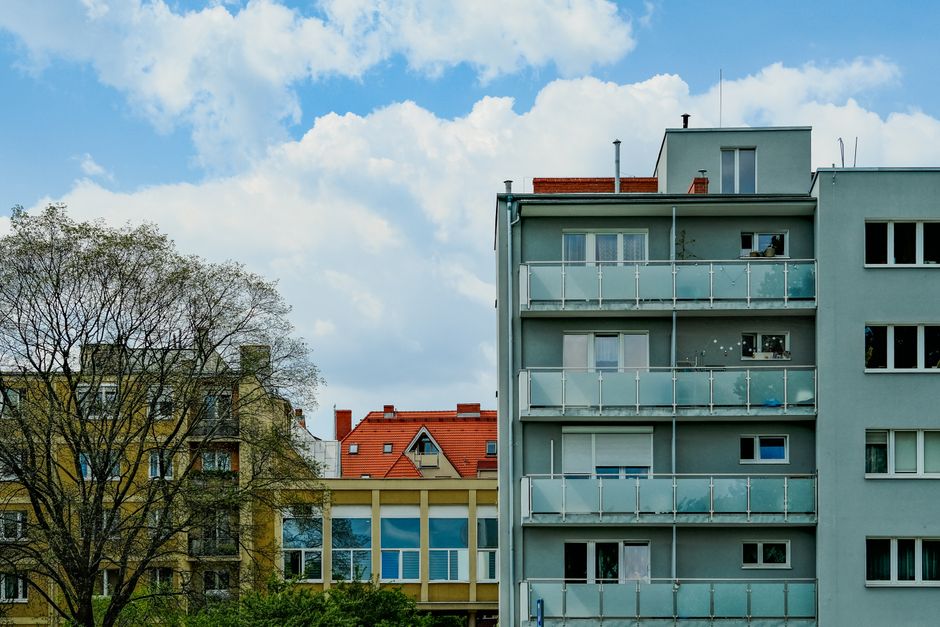
The difference between BTR and the fragmented private rental market Tel Aviv residents know well is not cosmetic. In the Florentin tower — a 14-storey building on HaKishon Street with 187 units — tenants sign three-year leases with a guaranteed renewal option, something almost unheard of in the city's chaotic one-year-contract culture. Management fees are capped, maintenance requests go through a professional facilities team rather than a landlord who may or may not answer the phone, and ground-floor amenities include co-working spaces, a rooftop terrace and a residents' gym.
A second BTR project, backed by Menora Mivtachim Insurance and managed under the Amot Residential brand, broke ground in March 2026 on Kibbutz Galuyot Road near the old Hatikva Quarter. That 220-unit scheme targets mid-market renters and is expected to deliver keys in late 2027. Monthly rents are pre-marketed in the range of 7,500 to 9,800 shekels for one- and two-bedroom units — roughly 15 percent above comparable private-market apartments in the same postcodes, but operators argue the premium buys certainty, quality and professional service.
The premium is the sticking point. A renter paying 8,500 shekels monthly in a BTR tower is spending 102,000 shekels a year on accommodation that builds no equity. A buyer who somehow assembles an 840,000-shekel down payment — 20 percent on a 4.2 million shekel flat — faces mortgage repayments of around 16,000 shekels a month at current Bank of Israel prime-linked rates near 5.75 percent. Renting, even at BTR prices, costs less in cash terms each month. The trade-off is wealth accumulation, or the absence of it.
The Broader Calculation
Housing economists at the Tel Aviv University's Alrov Real Estate Research Center published a working paper in June arguing that for buyers who entered the market before 2018, equity gains have been transformative. For anyone buying today, at current prices and rates, the break-even horizon against renting stretches beyond 22 years under their base-case model. That is a number that concentrates minds.
The government has noticed. The Housing Ministry expanded the BTR incentive framework in April 2026, raising the subsidy on land conversion approvals and signalling that a further 1,200 BTR units across Tel Aviv and Gush Dan could enter planning by end of year. The programme still represents a fraction of total housing starts — about 3.8 percent in 2025 — but the direction is clear.
For renters weighing up whether to stay put or stretch for ownership, the practical advice is granular: compare total monthly cost including building fees and maintenance against realistic mortgage repayments, factor in the BTR lease security premium, and stress-test against rate movements. If you cannot absorb a 1.5-percentage-point rate rise without distress, the HaKishon Street lobby and its co-working space may be worth more than it first appears.