Tel Aviv’s Summer Pulse: How Local Festivals are Defining the City’s Creative and Cultural Identity
As municipal programming shifts toward immersive, hyper-local art, the city is cementing its status as a Mediterranean epicenter for experimental performance.
This article was generated by AI from the linked public sources. The Daily Tel Aviv is independently owned and covers Tel Aviv news free from advertiser or sponsor influence. Read our editorial standards →
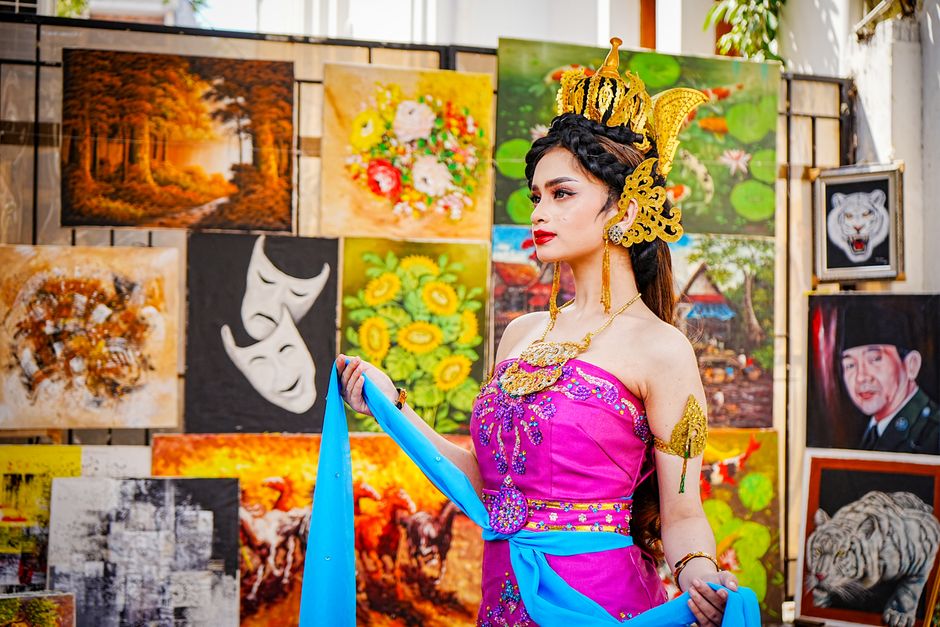
Tel Aviv’s cultural calendar hit its peak this morning as the municipality finalized the schedule for the 'Summer of Light' series, a move aimed at consolidating the city’s reputation as a global hub for avant-garde expression. Spanning 45 days, the initiative features over 120 events focused on local digital artists, live sound installations, and underground dance performances. This push comes at a time when traditional galleries are struggling to compete with the immediacy of public-space art, forcing curators to rethink how the urban landscape serves as a stage.
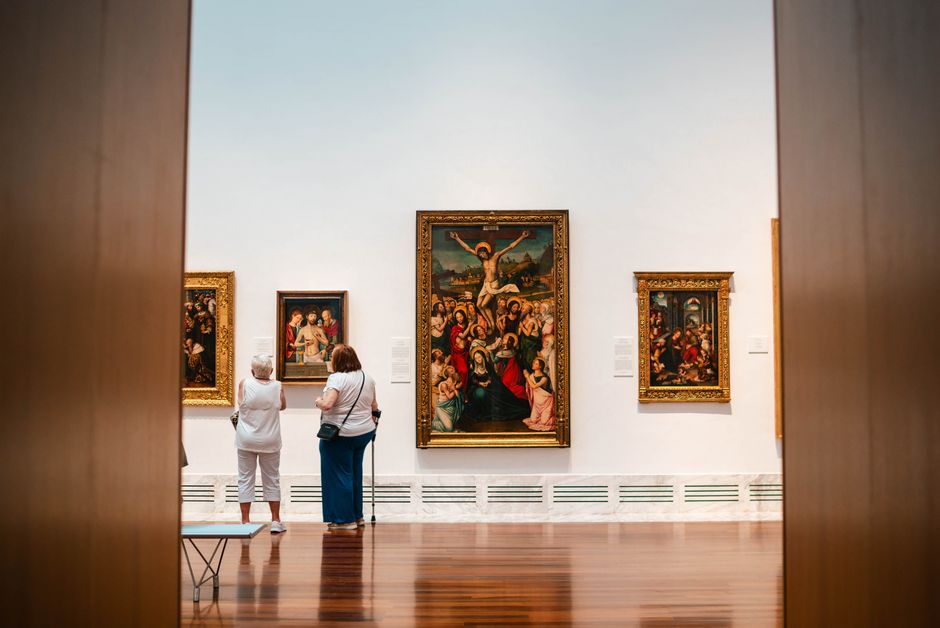
The shift is evident in the decentralization of this year’s programming. Rather than relying on established institutions like the Tel Aviv Museum of Art, the city has poured resources into neighborhood-specific festivals in Neve Sha'anan and the Yemenite Quarter. The strategy is clear: bypass the high-cost museum circuit to engage directly with the residents who define the city's shifting demographic. This is not merely about hosting concerts; it is about rebranding Tel Aviv as a collaborative workshop rather than a passive tourist destination.
From Jaffa to the North Port
The centerpiece of this year’s identity shift is the integration of high-tech digital projection mapping onto the historic limestone facades of Jaffa. Starting July 14, the 'Chronicles of the White City' installation will transform the area around Clock Tower Square into an open-air archive of local architecture. Meanwhile, in the North Port, the 'Soundwave Sessions' project will utilize reclaimed shipping containers to host rotating residencies for local electronic producers. These projects are backed by a municipal budget of 4.2 million shekels, a significant increase from last year’s 3.5 million, reflecting a deliberate effort to keep talent from drifting toward European hubs like Berlin or Lisbon.
Economic markers confirm the pivot. Ticket prices for flagship festival events are capped at 85 shekels to encourage accessibility, yet industry analysts at the Tel Aviv Cultural Research Group suggest the secondary economic impact—including local dining and boutique retail traffic—could exceed 200 million shekels by the close of the season in late August. Data from the Mayor’s office shows a 14 percent uptick in youth participation in municipal arts projects over the last quarter, signaling that the move toward high-density, low-barrier events is hitting its target demographic.
For those looking to catch the inaugural performances, the launch night at Charles Clore Park on July 10 is the best point of entry. Expect heavy security presence at all checkpoints, and ensure you have your mobile QR pass ready, as the city has moved to a completely paperless ticketing system for all public-funded events. If the current trajectory holds, Tel Aviv is effectively turning its summer doldrums into a testing ground for how a city claims its cultural autonomy in an era of global standardization.
Covering culture in Tel Aviv. This article was generated by AI from the linked sources and was not reviewed by a human editor before publishing. See our editorial standards.